
Tuckpointing · Chicagoland, IL
The Best Time of Year for Masonry Repair in Chicago
When should you schedule tuckpointing, brick repair, or a chimney rebuild in Chicago? A clear, season-by-season guide to mortar curing, freeze-thaw timing, what's possible in winter, and why booking early matters.
2026-06-28
Quick Answer
The best time for masonry repair in Chicago is roughly spring through fall, when daytime temperatures stay reliably above about 40°F so fresh mortar can cure and bond before it freezes. Late spring through early fall is the prime window; winter work is possible only with heated enclosures and cold-weather methods. Paul Lally's Masonry Inc. has tuckpointed and rebuilt Chicagoland masonry since 1988 — free on-site estimates at (708) 448-8866.
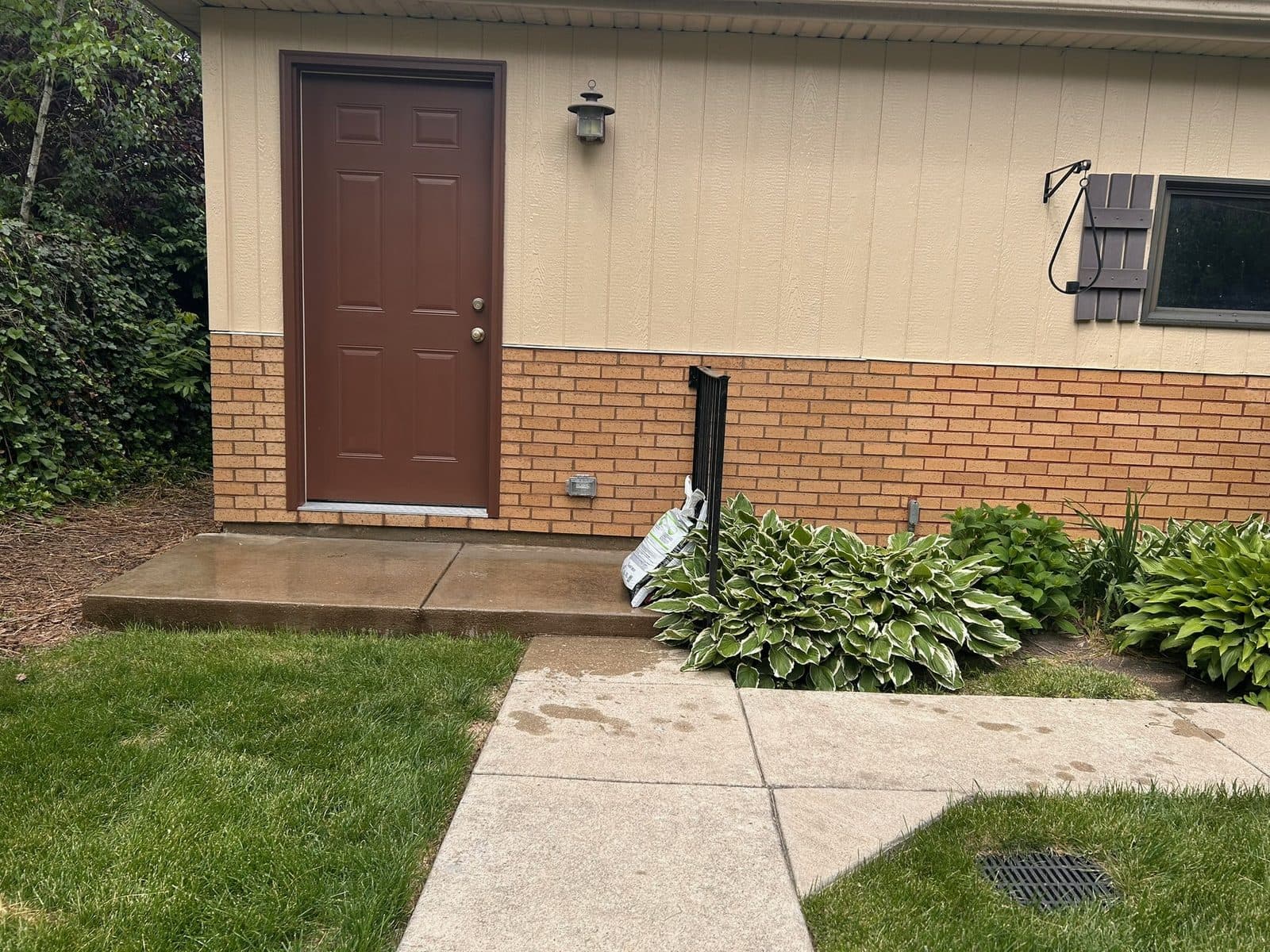
If you're wondering when to schedule tuckpointing, brick repair, or a chimney rebuild on your Chicago home, here's the straight answer: the best time for masonry repair in Chicago is roughly spring through fall — when daytime temperatures stay reliably above about 40°F so fresh mortar can cure and bond before it ever has a chance to freeze. The heart of the season runs from May through October. Winter work is possible, but only with heated enclosures and cold-weather methods, and for most homeowners it's better to plan around the regular season. Paul Lally's Masonry Inc. has been reading Chicago weather and protecting brick homes since 1988 — and below is exactly how the calendar affects your project, and how to time it right.
The short answer, and the reason behind it
Masonry is one of the few home repairs where the weather doesn't just make the job uncomfortable — it changes whether the work will actually last. The reason is mortar. Whether you're having joints repointed, brick replaced, or a chimney rebuilt, the new mortar has to cure before it's exposed to freezing temperatures. Get the timing right and a tuckpointing job lasts for decades. Get it wrong and that same mortar can crumble out in a season or two.
So the calendar question is really a temperature question, and in Chicagoland the answer lands squarely in the warmer months.
Why temperature decides everything: how mortar cures
Mortar doesn't "dry" so much as it cures. Curing is a chemical reaction called hydration — the cement and lime in the mix react with water and harden into a dense, durable bond between your bricks. That reaction needs two things to run correctly: moisture and warmth.
The widely used rule of thumb is the 40°F rule: mortar should be placed and kept above roughly 40°F (and ideally not allowed to drop near freezing overnight) until it has cured. Here's what happens when it gets too cold:
- Below ~40°F, the hydration reaction slows dramatically. The mortar sits soft far longer than it should, vulnerable to everything.
- If fresh mortar freezes, the water inside it expands into ice before the bond forms. That ruptures the mortar's internal structure. It may look fine on the surface and still be weak, crumbly, and prone to early failure inside the joint.
This is why a good mason watches both the daytime high and the overnight low. A 50°F afternoon that drops to 28°F at night is still a problem for mortar that was placed that day. Curing isn't instant — mortar sets within hours but keeps gaining strength for weeks, and it's most fragile in the first day or two. Mild, stable weather gives that young mortar the protected window it needs.
The same logic applies to masonry sealing and waterproofing: breathable sealers need surfaces above their minimum application temperature and a dry stretch to penetrate and set. Cold, damp brick won't take a sealer properly.
Season by season in Chicagoland
Here's how the Chicago calendar actually breaks down for exterior masonry work:
| Season | What's ideal or possible | Notes |
|---|---|---|
| Spring (Apr–May) | Prime — and the best time to book | Once nights stay above freezing, full work resumes. Great for catching damage winter just caused. Schedules fill fast. |
| Summer (Jun–Aug) | Prime — peak season | Reliable warmth and long days. The only watch-outs are heavy rain and extreme heat, which can dry mortar too fast (masons mist/protect for it). |
| Fall (Sep–Oct) | Prime — and urgent | The ideal time to seal up the house before winter. Demand spikes as homeowners race the cold. |
| Late fall (Nov) | Possible, weather-dependent | Workable in a mild year; masons watch overnight lows closely and may protect fresh work. |
| Winter (Dec–Mar) | Limited — heated methods only | Inspections, planning, interior/protected work, and emergencies. Exterior tuckpointing needs enclosures and heat. |
The takeaway: roughly April through October is the comfortable window, with May–September being the sweet spot. Spring and fall are the two smartest times to book — spring to repair what winter damaged, and fall to seal up before the next freeze.
Can you do masonry repair in winter?
Yes — carefully, and usually only when it's warranted. Professional masons have cold-weather methods for genuine winter work:
- Heated enclosures (tenting): wrapping the work area in insulated tarps or plastic and warming it with heaters so the masonry stays above curing temperature.
- Heated materials: warming the mixing water and sometimes the sand so the mortar goes on warm.
- Admixtures and mix adjustments that help mortar set in cooler conditions (never a substitute for keeping it warm).
- Curing protection: keeping the finished work insulated and above freezing for the critical first days.
These methods work, but they add labor, equipment, and cost, and they're best reserved for urgent repairs — an actively leaking chimney, a structural concern, or storm damage that can't wait until spring. For routine tuckpointing or a planned brick repair, scheduling in season gives you better conditions and a better value. The honest advice from a craftsman: if it can wait for mild weather, it usually should.
The other extreme: summer heat and rain
Cold gets all the attention, but the warm months have their own watch-outs — and a good mason plans around them too. In the peak of summer, very high heat and direct sun can pull moisture out of fresh mortar too fast. If mortar dries before it fully hydrates, it can end up weak and chalky for the same underlying reason cold mortar does: the curing reaction never finished properly. The fix is simple craftsmanship — working in the shade as the sun moves, lightly misting the work to keep it damp, and not over-stretching a batch in extreme heat.
Rain is the other variable. Steady rain can wash out uncured mortar and saturate a wall, so masons avoid working through it and protect new joints if a storm rolls in. None of this makes summer a bad time to work — it's still prime season — it just means the ideal window is a stretch of mild, dry days, which Chicagoland offers plenty of from late spring through early fall.
Signs you shouldn't wait until spring
Timing the work for mild weather is the goal, but some problems shouldn't ride out another freeze-thaw season. Call sooner rather than later if you see:
- Active water entry — stains on interior ceilings or walls near the chimney or an exterior wall.
- A cracked or crumbling chimney crown, which funnels water straight into the stack.
- Spalling brick — faces actively flaking or popping off, meaning water is already cycling inside the masonry.
- Open, sandy, or missing mortar joints you can rake out with a finger.
- A leaning chimney or a bulging wall — these are structural and shouldn't wait.
For issues like these, the right move is a free inspection now so we can either stabilize it or get it on the earliest sensible schedule before the damage compounds.
Why timing matters more in Chicago: freeze-thaw
Chicagoland masonry doesn't just deal with cold — it deals with freeze-thaw cycling, and that's what makes getting ahead of winter so important.
Here's the cycle: any gap in your masonry — an open mortar joint, a hairline crack in a brick, a failing chimney crown — lets water in. When the temperature drops, that water freezes and expands about 9%. When it warms, it thaws. Chicago can run through dozens of these cycles in a single winter. Each one pries the masonry apart a little more: joints widen, brick faces spall (flake and pop off), and small problems become big ones.
That's why fall is such a high-value time to repair: sealing those entry points before winter stops water from getting in and freezing in the first place. A modest tuckpointing job in October can prevent a much larger brick-replacement or rebuild project the following spring. Waiting, by contrast, hands the weather another winter to do damage.
What we can still do in the off-season
Winter isn't dead time — it's the right time for several things:
- Inspections and diagnosis. Cold months are perfect for walking the house, identifying failing joints, spalling brick, lintel rust, and chimney issues, and making a plan.
- Planning and brick sourcing. Matching brick on an older Chicago bungalow or greystone takes time; the off-season is ideal for sourcing the right units and mortar.
- Interior or protected masonry. Work that's sheltered from the weather can often proceed.
- Emergency stabilization. Safety issues — a leaning chimney, falling brick — get handled year-round.
- Getting on the spring schedule. This is the big one (next section).
Get on the schedule early
Here's the insider tip most homeowners learn the hard way: the calendar fills up. When the weather breaks in spring, every homeowner who limped through winter with a leaky chimney or crumbling joints calls at once. Then it happens again in fall, when everyone wants repairs done before the cold.
The way to beat the rush is to call in late winter or early spring, before the season opens. That gets you a better spot, time to plan the work properly, and first pick of dates. A good mason would rather schedule your job in March for an April start than turn you away in July because the season's already booked solid.
Why Chicago weather is so hard on brick
A quick word on the local context, because it shapes all of this. Chicago's housing stock — the brick bungalow belt, the greystone two- and three-flats, century-old worker cottages, and commercial masonry — was built to last, but it's now facing decades of our specific climate: humid summers, lake-effect moisture, big temperature swings, and a long, repeated freeze-thaw winter. Older buildings were often laid with softer lime-based mortar, which needs to be matched with the right mortar today rather than patched with a hard modern mix that can damage the surrounding brick. All of it adds up to one rule: keep water out, and do the work when the weather lets the repair cure properly.
Paul Lally's Masonry Inc. is a family-owned, insured masonry contractor serving Chicago and the Chicagoland suburbs since 1988 — tuckpointing and repointing, brick repair and replacement, chimney repair and rebuilds, lintel replacement, masonry restoration, and waterproofing for homes and commercial buildings. We match your brick and mortar, we time the work to cure right, and we tell you honestly what needs doing now versus what can wait for the season. Built on Craftsmanship. Backed by Experience.
Related services
- Tuckpointing and repointing — the mortar-joint repair most brick homes need first.
- Masonry waterproofing and sealing — the fall step that keeps water out before winter.
- Chimney repair and rebuilds — the masonry that takes the worst weather and fails first.
- Brick repair and replacement — for spalled and cracked brick after a hard freeze-thaw season.
The bottom line
For most Chicago homeowners, schedule masonry repair for spring through fall, when mortar can cure above 40°F and bond for the long haul. Use fall to seal the house before freeze-thaw season, use winter to inspect, plan, and book, and save heated cold-weather work for true emergencies. Time it right and your repair lasts decades; rush it into a freeze and you'll be paying for it again.
Want to know what your brick needs and the smartest time to do it? Call Paul Lally's Masonry Inc. at (708) 448-8866 or request a free on-site estimate. Family-owned, insured, serving Chicagoland since 1988.
Frequently Asked Questions
What is the best time of year for masonry repair in Chicago?
Late spring through early fall is the prime window, because daytime temperatures stay reliably above about 40°F and overnight lows don't drop to freezing. That lets fresh mortar cure and bond properly before any frost reaches it. Work can run from roughly April into November in a normal Chicago year, with the heart of the season being May through October.
Can you tuckpoint in winter in Chicago?
Sometimes, but it isn't ideal. Mortar needs temperatures above roughly 40°F to cure, so winter masonry requires heated enclosures (tenting), heated mortar and water, and protection while it cures. Small or urgent repairs can be done this way, but most homeowners are better off scheduling for the regular season.
Why does temperature matter so much for masonry?
Mortar hardens through hydration, a chemical reaction that needs warmth and moisture to run correctly. If fresh mortar gets too cold or freezes before it cures, the bond is weak, crumbly, and prone to failing early. That's why masons watch the forecast for both daytime highs and overnight lows.
Should I repair my brick before winter?
Yes. Open mortar joints, cracked brick, and a failing chimney crown all let water into the masonry, and Chicago's freeze-thaw cycles then expand that water and break the brick apart. Sealing those gaps before winter is one of the most cost-effective things you can do to protect a brick home.
How long does mortar take to cure?
Mortar sets within hours but continues curing and gaining strength over several weeks. In the first day or two it is most vulnerable to cold and rain, which is why scheduling in mild weather matters. Proper curing is a big part of why professional tuckpointing lasts for decades.
What masonry work can be done in the off-season?
Winter is a good time for inspections, planning, interior masonry that's protected from the weather, and getting on the spring schedule early. Emergency stabilization can also be done year-round. The bulk of exterior tuckpointing, brick replacement, and chimney rebuilds is best saved for mild weather.
When should I schedule to avoid the rush?
Call in late winter or early spring. Good masons fill their calendars fast once the weather breaks, and the busiest stretch is right before fall and winter when everyone realizes they want repairs done ahead of the cold. Booking early gets you a better spot and time to plan the work.
Does rain affect masonry repair?
Yes. Heavy rain can wash out fresh, uncured mortar and saturate the wall, so masons avoid working in steady rain and protect new work. A dry stretch with mild temperatures is the ideal window, which is part of why spring through fall in Chicagoland is preferred.