
Masonry Knowledge
The Paul Lally's Masonry Inc. Blog
Maintenance guides, warning signs to watch for, and straight talk about masonry repair from a team that's been doing this work across Chicagoland for years.
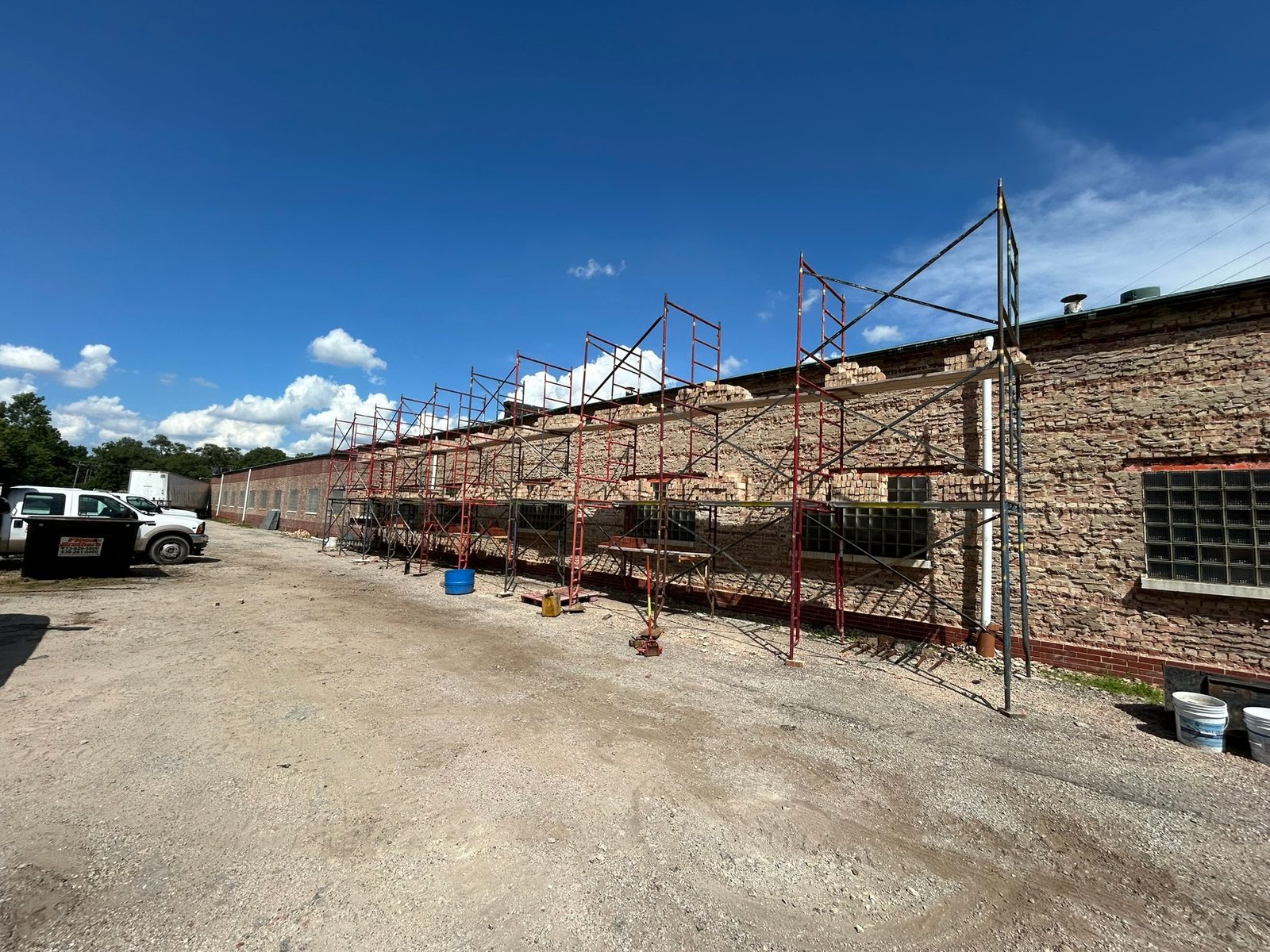
Masonry Repair on a Rental or Investment Property: What Chicagoland Owners Should Know
Masonry on an income property is a different calculation than on the house you live in. Deferred maintenance compounds, tenants are underneath the wall, and the repair you skip becomes the repair a buyer's inspector finds.
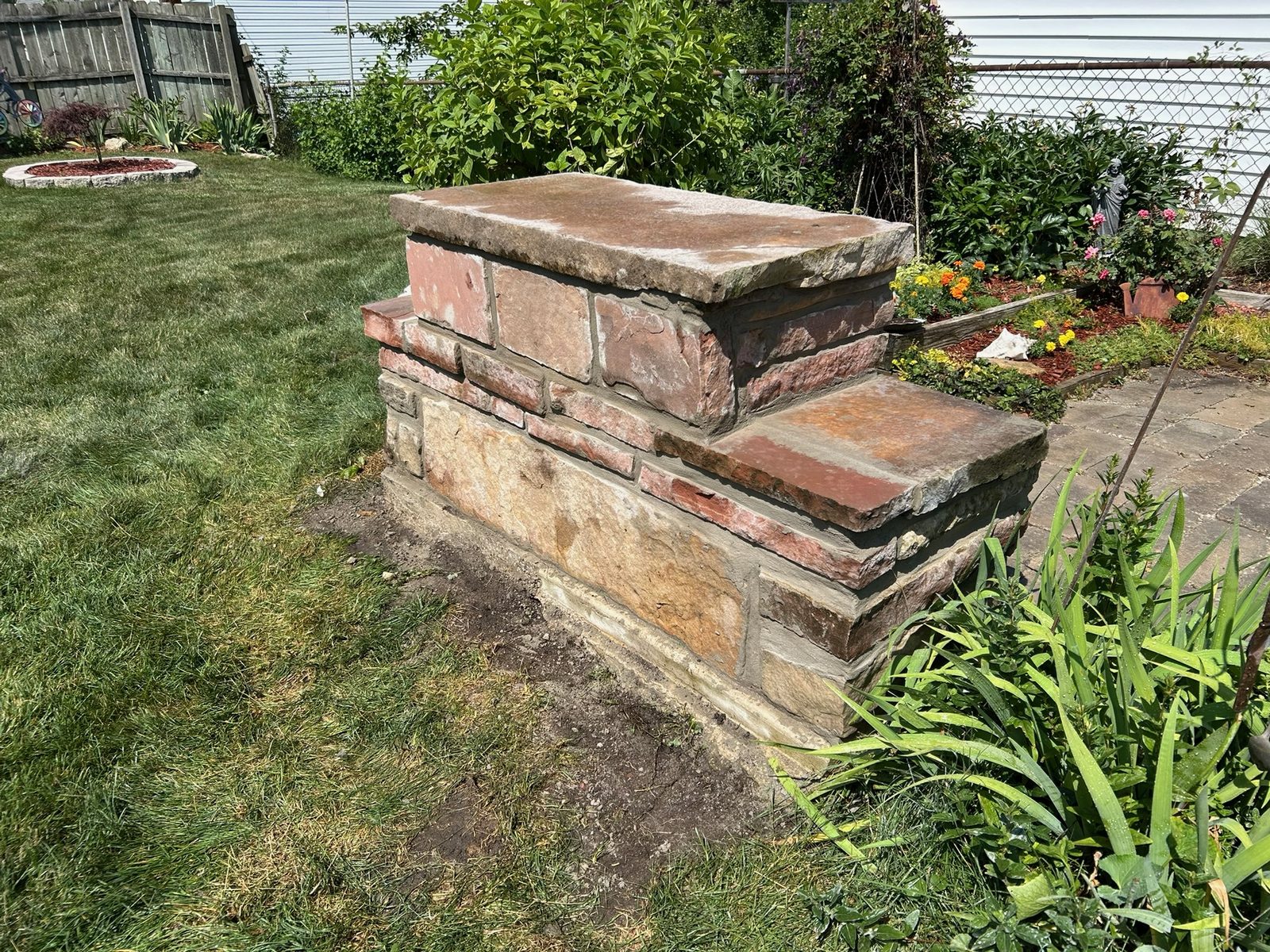
How Long Do Masonry Repairs Last? A Service-Life Guide for Chicagoland
Every masonry repair has a service life, and they are wildly different — sealant is measured in a handful of years, a rebuilt wall in generations. Knowing which is which is how you budget a house instead of reacting to it.
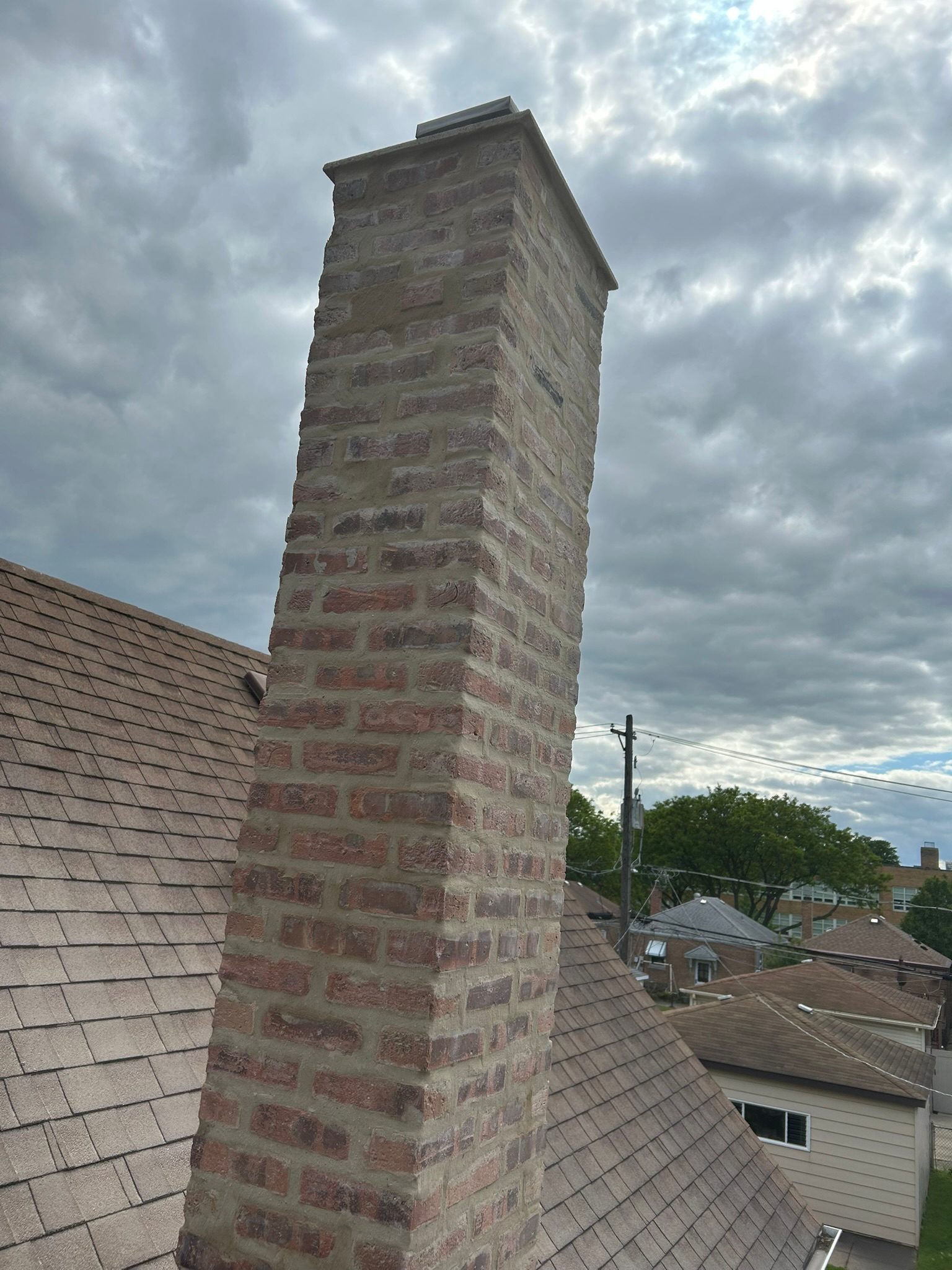
Chimney Height and the 3-2-10 Rule: Why Your Chimney Is the Height It Is
There is a reason chimneys stick up as far as they do, and it is not decoration. Height controls draft and clearance — and when a rebuild changes the height, it changes how the chimney works.
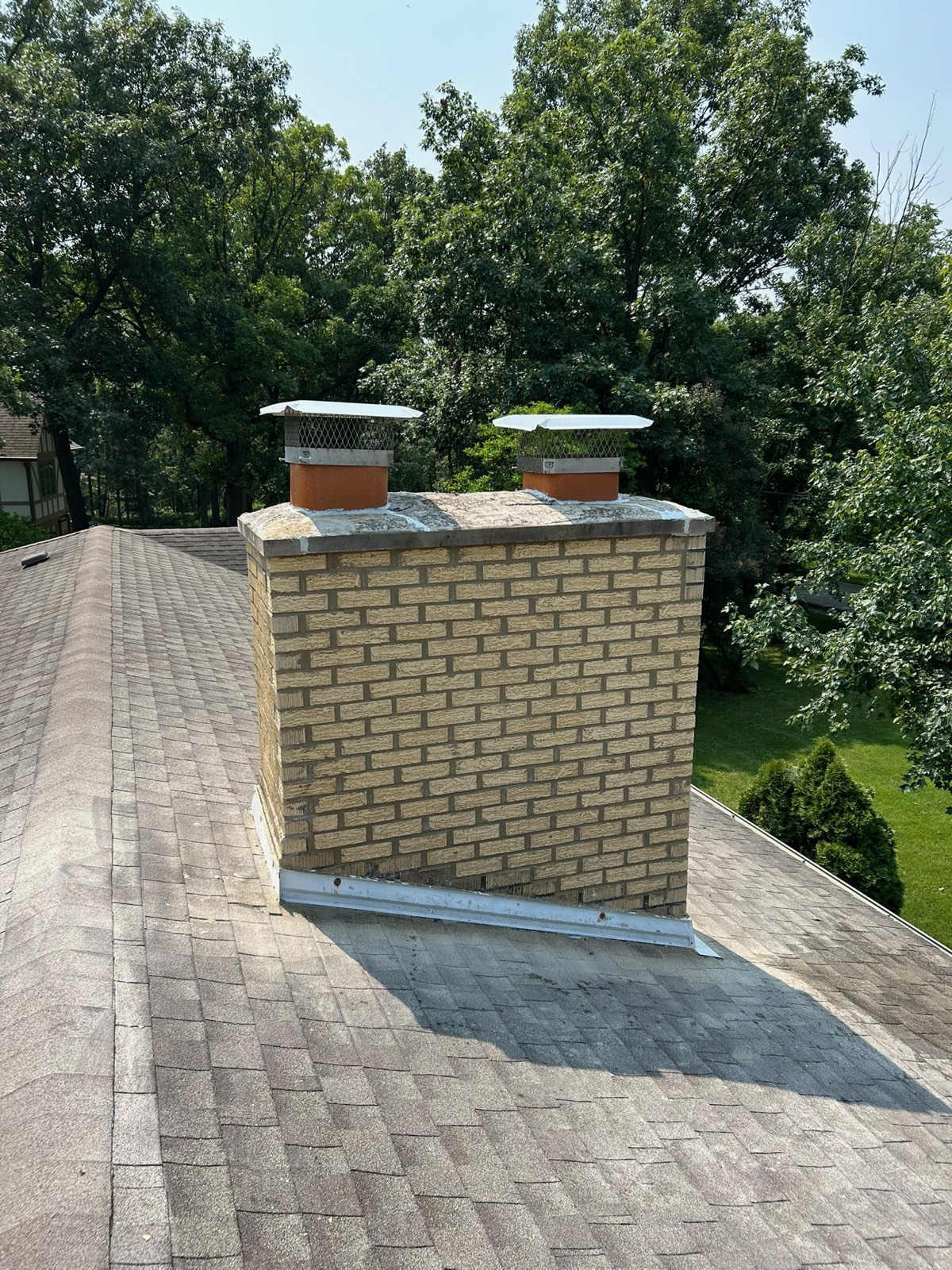
Why Is My Chimney Leaning? Causes, Real Risks, and the Fix in Chicagoland
A leaning chimney is one of the few masonry problems that is genuinely urgent. It is also one of the most misdiagnosed — because a chimney can lean for four completely different reasons, and each one leads to a different repair.
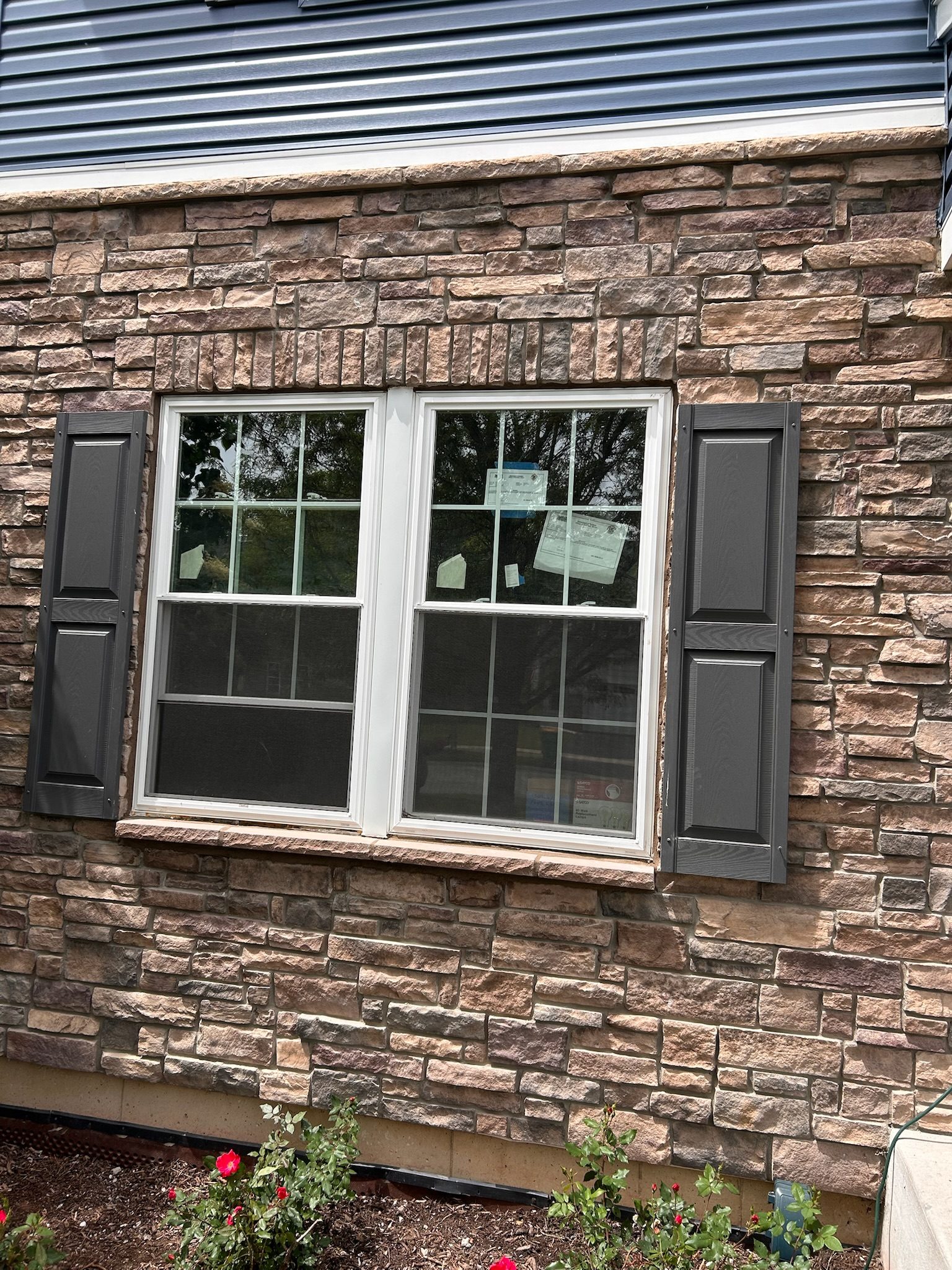
Terra Cotta, Cast Stone, and Sandstone: Chicago's Other Masonry Materials — and How Each One Fails
Not every decorative element on a Chicago building is limestone, and treating them all the same is how good stonework gets ruined. Here is how to identify terra cotta, cast stone, sandstone, and common brick — and what each one needs.
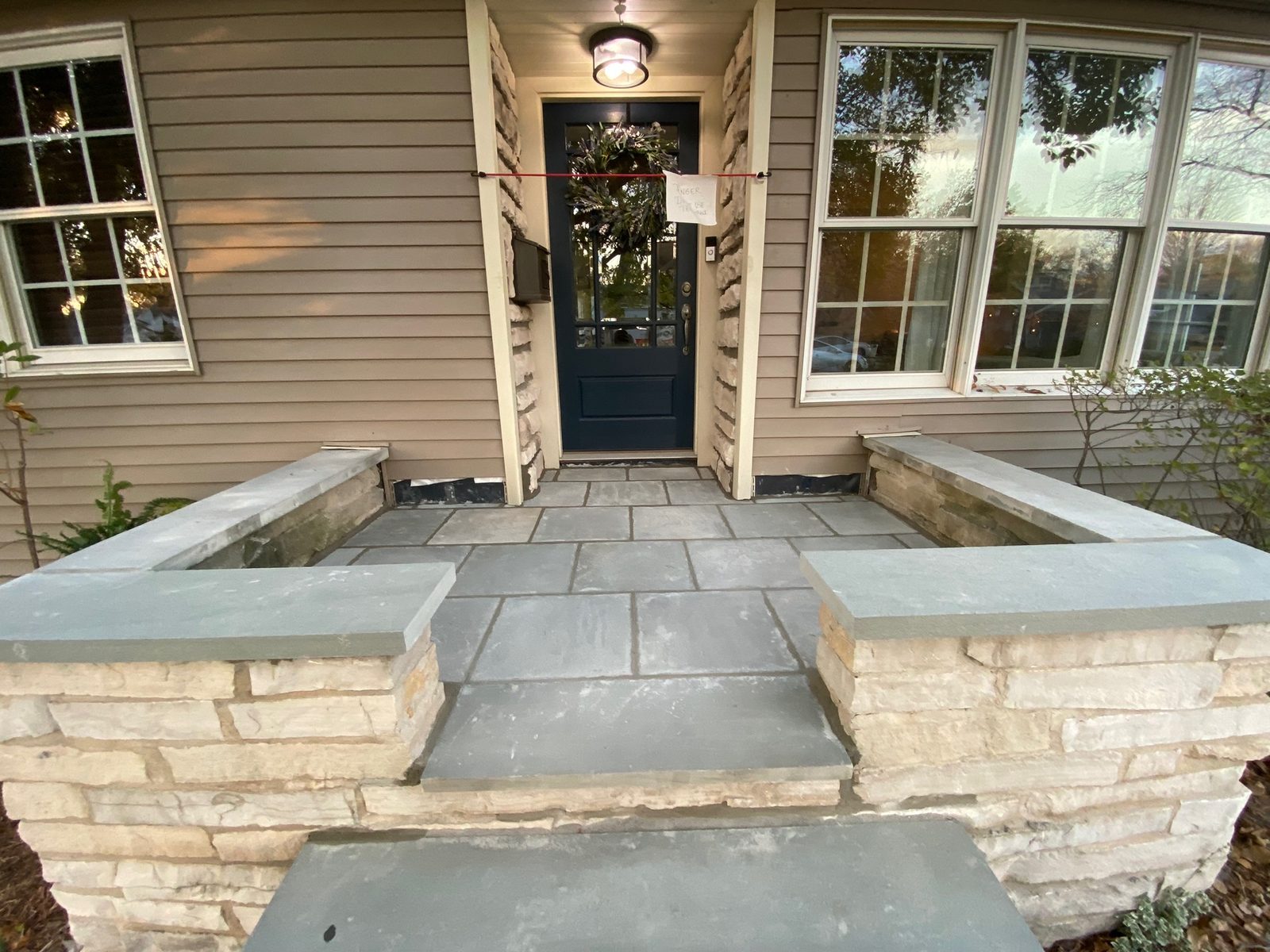
Do I Need a Permit for Masonry Work? Chicago and the Suburbs, Explained
Permit rules for masonry repair are set municipality by municipality, which is why nobody can give you a single answer. Here is how to figure out what applies to your job, what usually triggers a permit, and what to expect your contractor to handle.
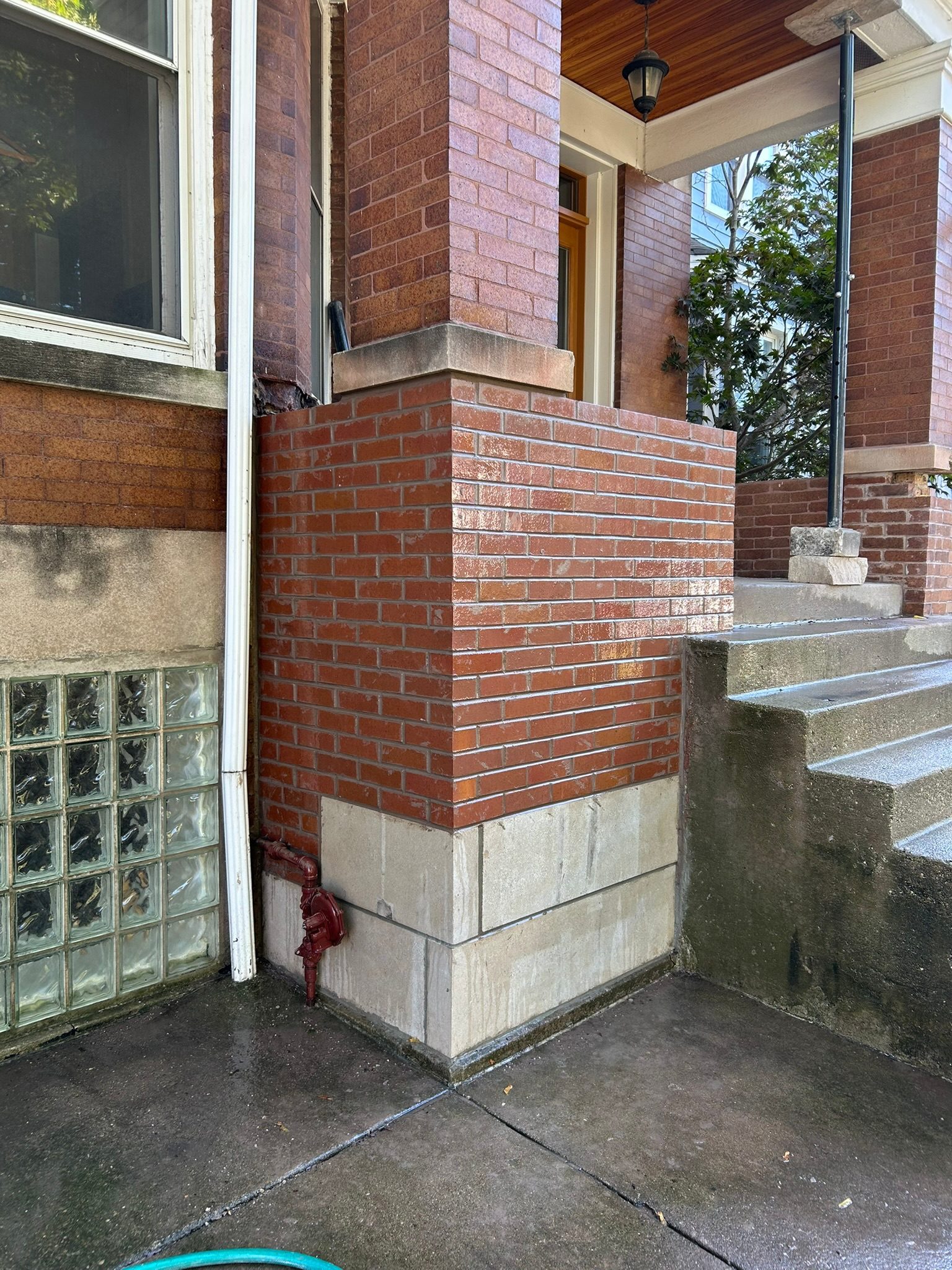
How Water Actually Gets Through a Brick Wall — Finding the Leak Before You Pay to Fix It
The stain on your ceiling is almost never below the hole. Water enters masonry at one point, travels inside the wall, and appears somewhere else entirely — which is why so many masonry leaks get repaired twice. Here is how a mason traces water back to its actual entry point on a Chicagoland home.
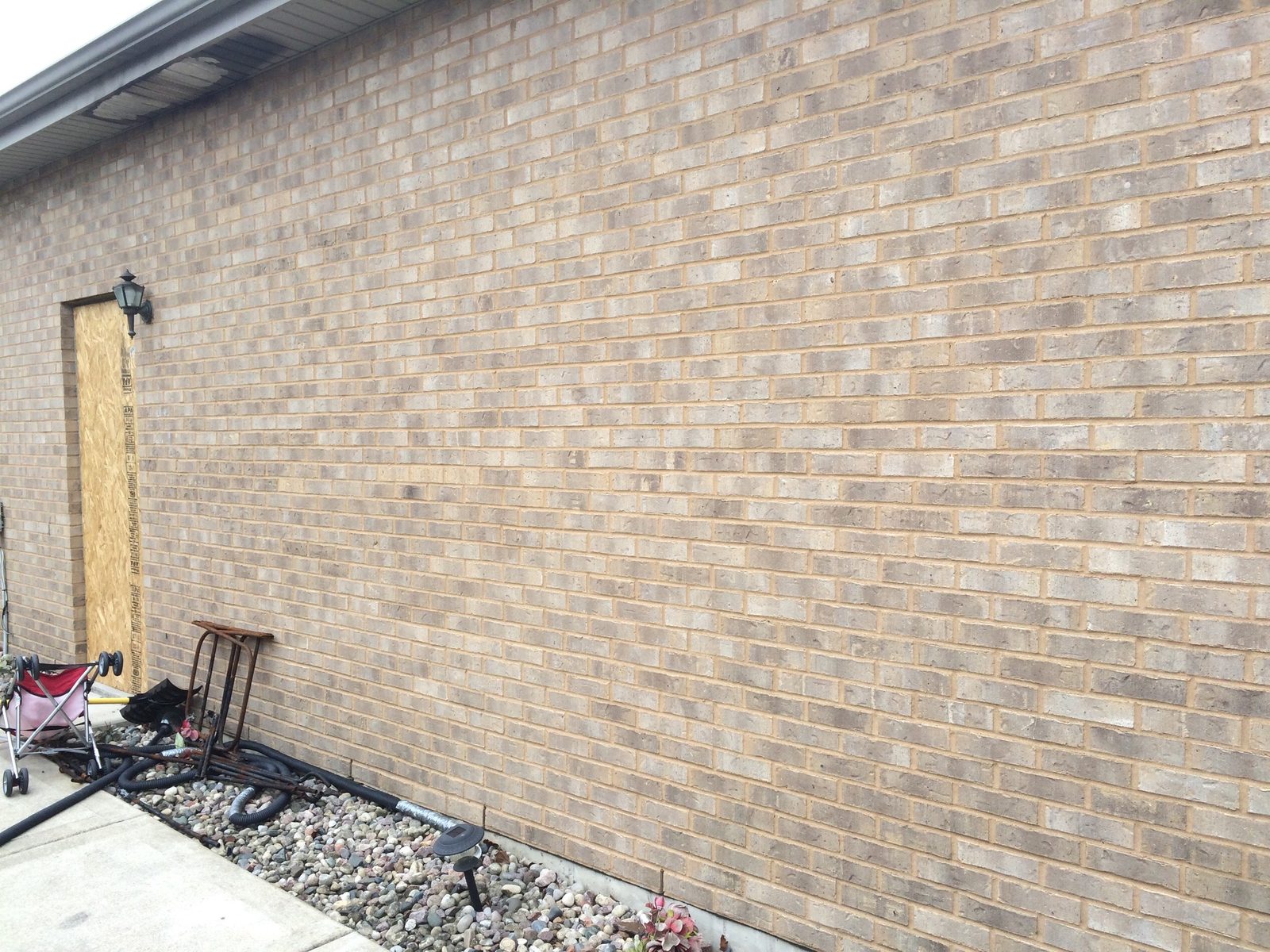
How Much of My House Actually Needs Tuckpointing? Spot Repair vs. One Elevation vs. the Whole House
Two contractors look at the same Chicago brick house. One quotes a few hundred square feet of spot repointing. The other quotes the entire building. Both can be honest — they are answering different questions. Here is how to work out which answer is right for your house, and how to check a proposal against your own walls.
Your Basement Walls, From the Inside: Parging, Exposed Brick Foundations, and Why Interior Sealing Keeps Failing
Every hardware store sells a bucket that promises to waterproof a basement wall from the inside. On a Chicagoland foundation it usually fails, and it often makes the wall worse. Here is what your basement walls actually are, what parging does, and which interior repairs are genuinely worth doing.
Why One Wall of Your House Is Always Worse Than the Others
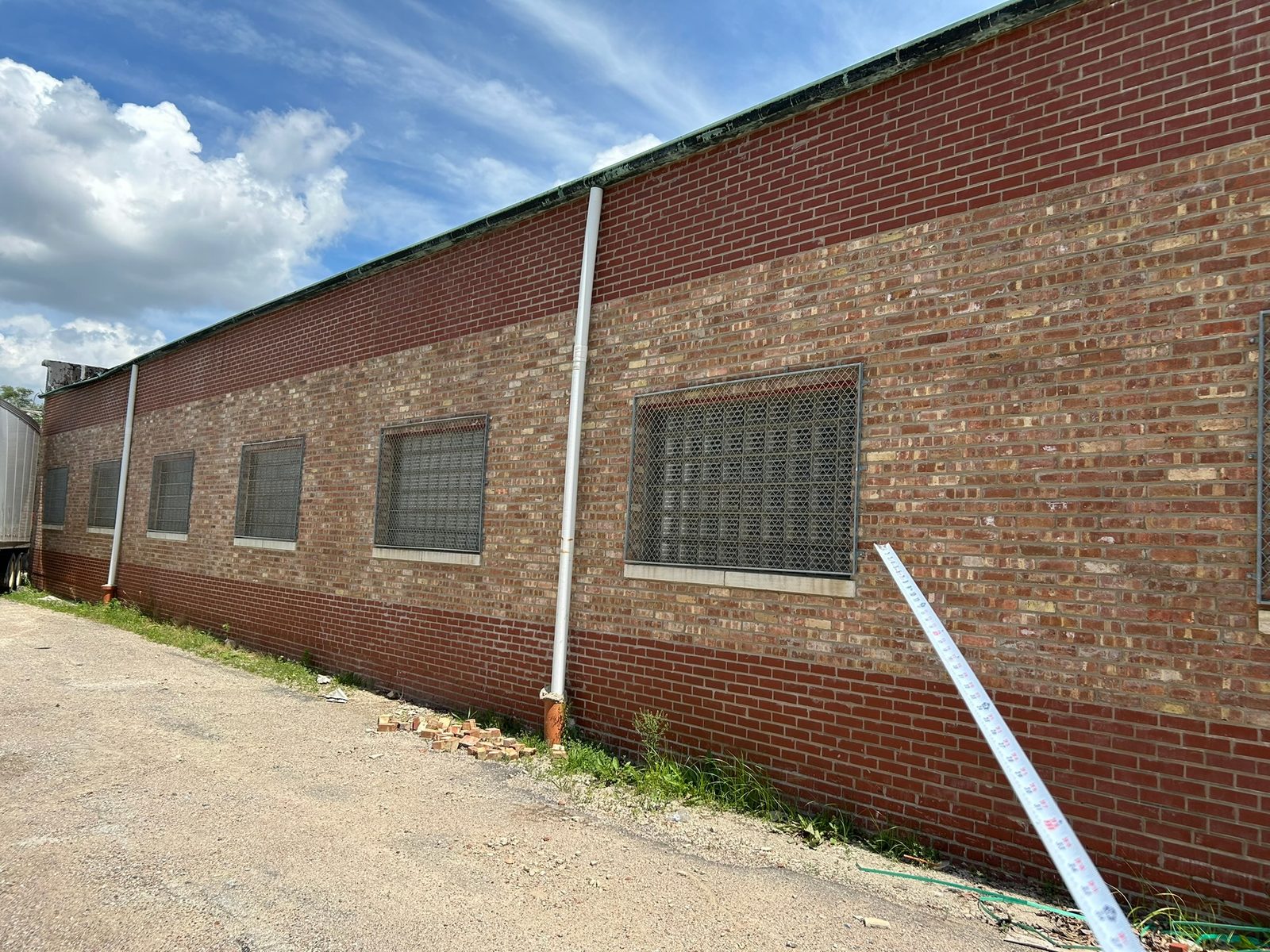
Walk around your house and one elevation will be visibly rougher than the rest. That isn't bad luck or bad brick — it's exposure, and it's predictable enough that a mason can usually guess which wall it is before walking around the corner. Knowing why tells you which wall to fix first.
Three Masons, Three Different Answers: How to Tell Which Diagnosis Is Right
One says repoint the front. One says the whole house. One says you need a new chimney. They all sound confident and the numbers are miles apart. Here's how to work out which of them actually looked at your building — without needing to become a mason yourself.
Expansion Joints in Brick: Why Your Wall Needs Somewhere to Move — and What Happens When It Doesn't
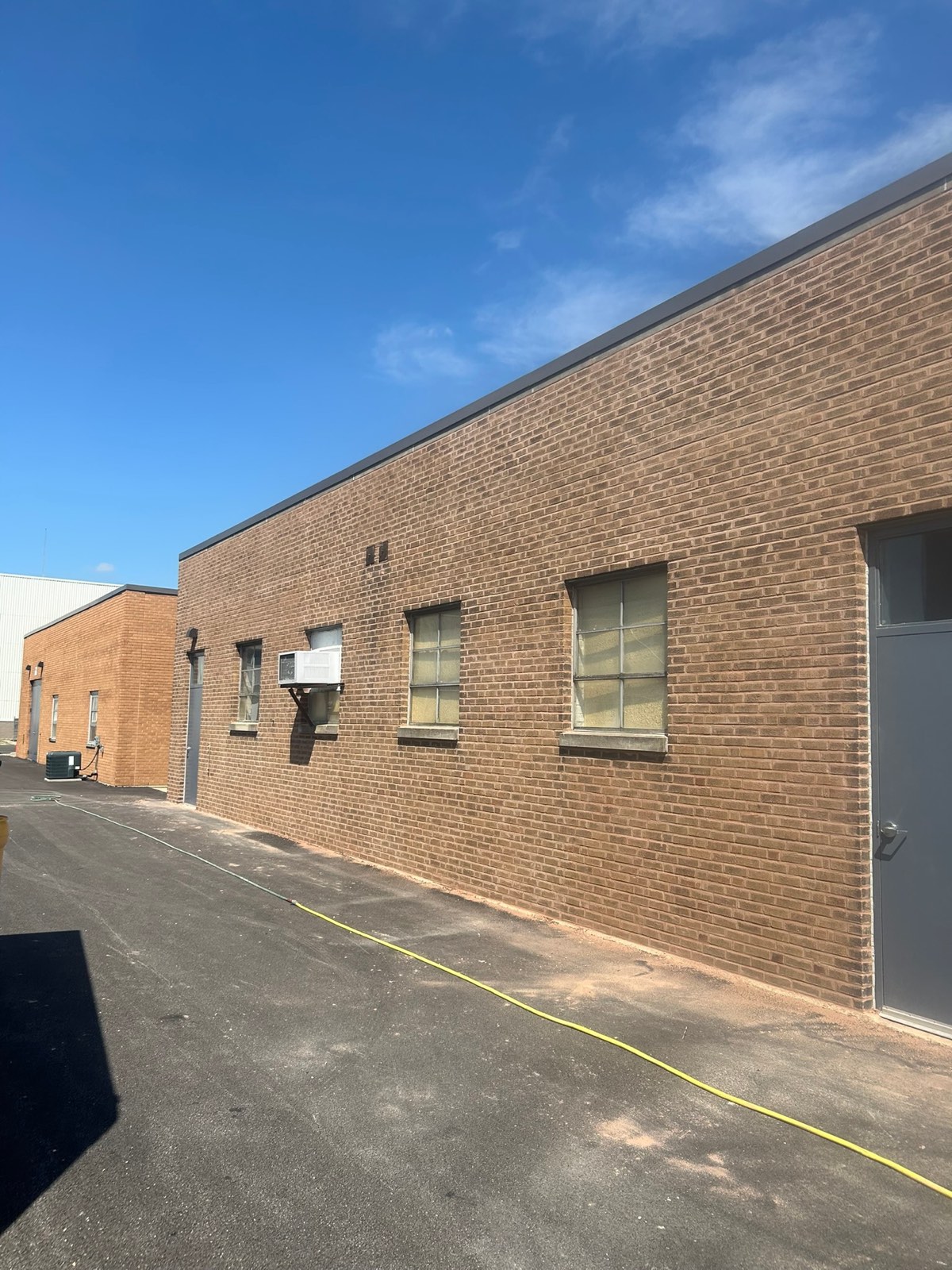
Brick grows. Not much, and not quickly, but permanently and forever — and it never shrinks back. If a wall has nowhere soft to put that movement, it makes its own space by cracking, always in the same predictable places. That's why some cracks come back every time they're repaired.
What Is Your Foundation Actually Made Of? Identifying Stone, Brick, Clay Tile and Block
Go stand in your basement and look at the wall. Whether that's rubble limestone, common brick, hollow clay tile or concrete block tells you roughly when your house was built, how the wall will fail, what mortar belongs in it, and which repairs would quietly destroy it. Five minutes of looking answers most of the question.
What a Masonry Workmanship Warranty Should Actually Cover — and What It Never Will
Every masonry contractor says they stand behind their work. Very few explain what that means when a joint opens up in year four. Here's what a workmanship warranty genuinely covers, what it can't cover no matter who wrote it, and the questions that tell you whether the one you're being offered is worth anything.
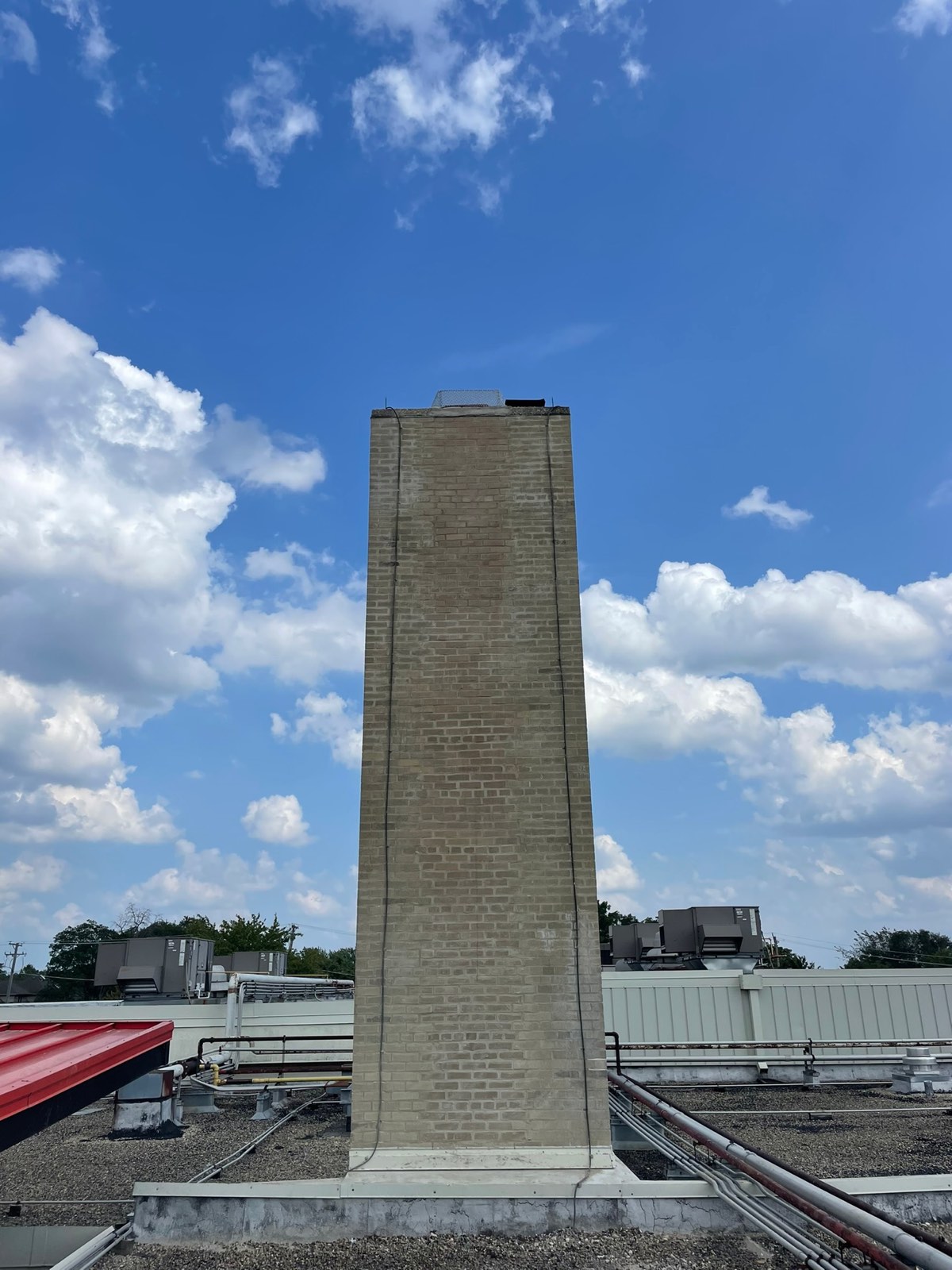
Chimney Liners and Relining: What's Inside the Chimney, and When It Becomes a Masonry Job
The brick you can see is not what carries the smoke. Inside every masonry chimney there's a liner doing the actual work, and when it cracks or was never there at all, the damage starts on the inside and reaches the brick last. Here's how liners fail, what relining involves, and where the mason's work ends and the sweep's begins.
Window Wells and Areaways: The Masonry Holding Back Earth Right Against Your House
A window well or a basement areaway is a retaining wall built inches from your foundation, sunk below grade, with a drain nobody has checked in twenty years. When it stops draining, you're storing a column of water against the one wall you least want wet — and most homeowners never think of it as masonry at all.
Getting a New Roof? Do the Chimney Masonry First — and Here's Why the Order Matters
Your roofer says the chimney needs work. Your mason says the flashing is the roofer's. Meanwhile the leak keeps coming back, because chimney flashing is the one detail on a house where two trades have to meet — and when nobody owns the seam, nobody fixes it.
My Firebox Is Crumbling — Is That the Chimney? Firebox, Smoke Chamber and Hearth Explained
The masonry you can see when you open the fireplace doors is a different material, doing a different job, than the chimney outside — and it fails for entirely different reasons. Here's how to tell whether the problem is the firebox, the smoke chamber, the flue or the stack above the roof, and which of those is a masonry job at all.
Brick and Block Retaining Walls: Why They Lean, Bulge and Fail — and What a Real Repair Involves
A retaining wall is the only masonry on your property that spends its whole life being pushed. Soil presses on it, water multiplies that push, and freezing multiplies it again. Almost every leaning wall we're called to failed for the same reason — drainage that was never built in — and that's why repointing one is money thrown at a symptom.
Brick Paver Patios, Walkways and Driveways: Why They Sink, Heave and Spread — and How They're Put Right
Paver flatwork almost never fails because the pavers failed. It fails because of what's under them and what's holding them in at the edges. Here's how a paver installation is actually built, the four ways Chicagoland weather takes it apart, and why relaying a sunken patio properly means taking it up rather than topping it off.
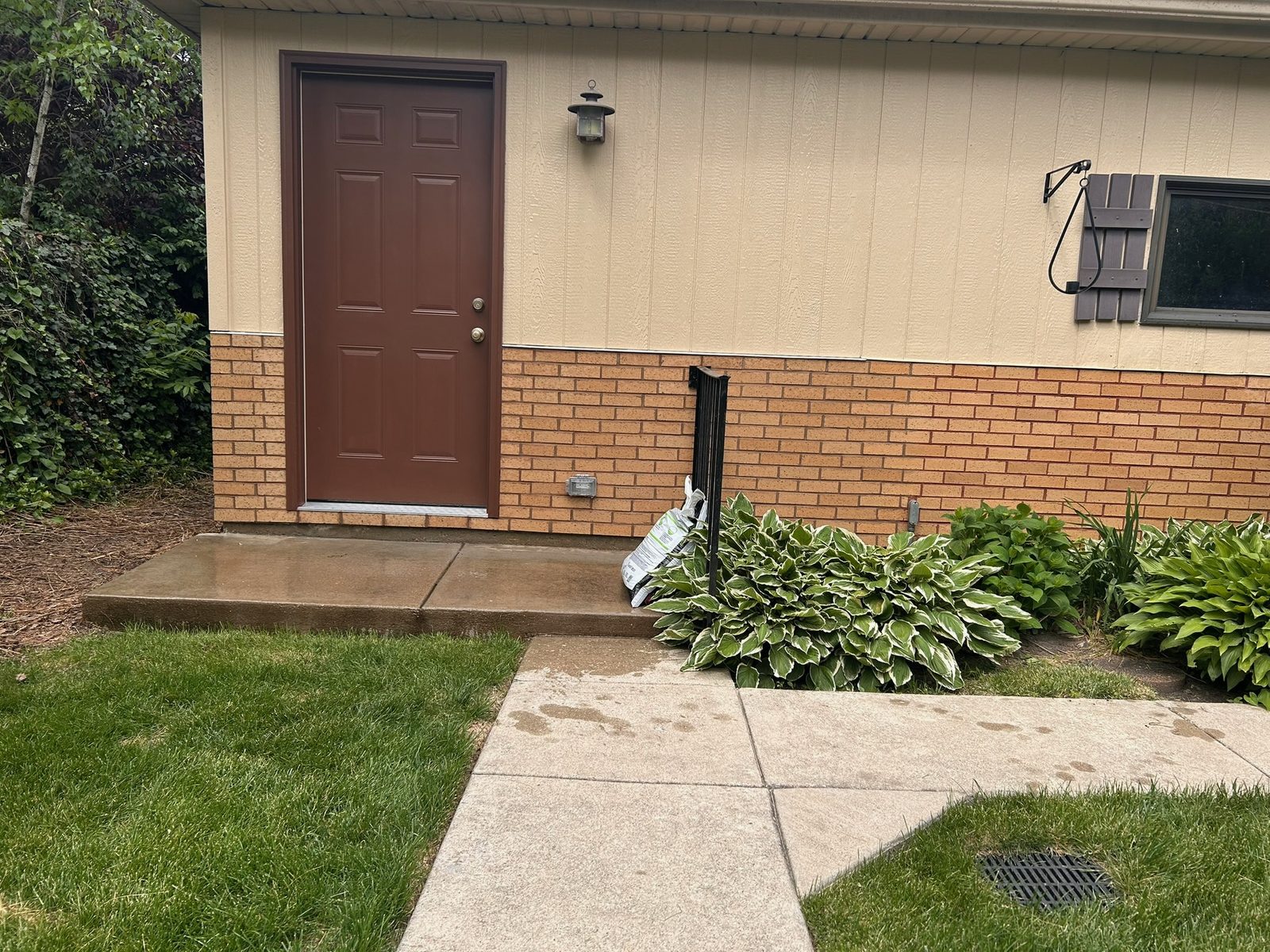
Where the Addition Meets the House: Cold Joints and Why That Crack Keeps Coming Back
There's a crack running straight up the wall where your addition meets the original house, and it has been filled twice. It will keep coming back, because it isn't a crack — it's a joint between two buildings that settle, move and expand at different rates. Sealing it shut is the one thing guaranteed not to work.
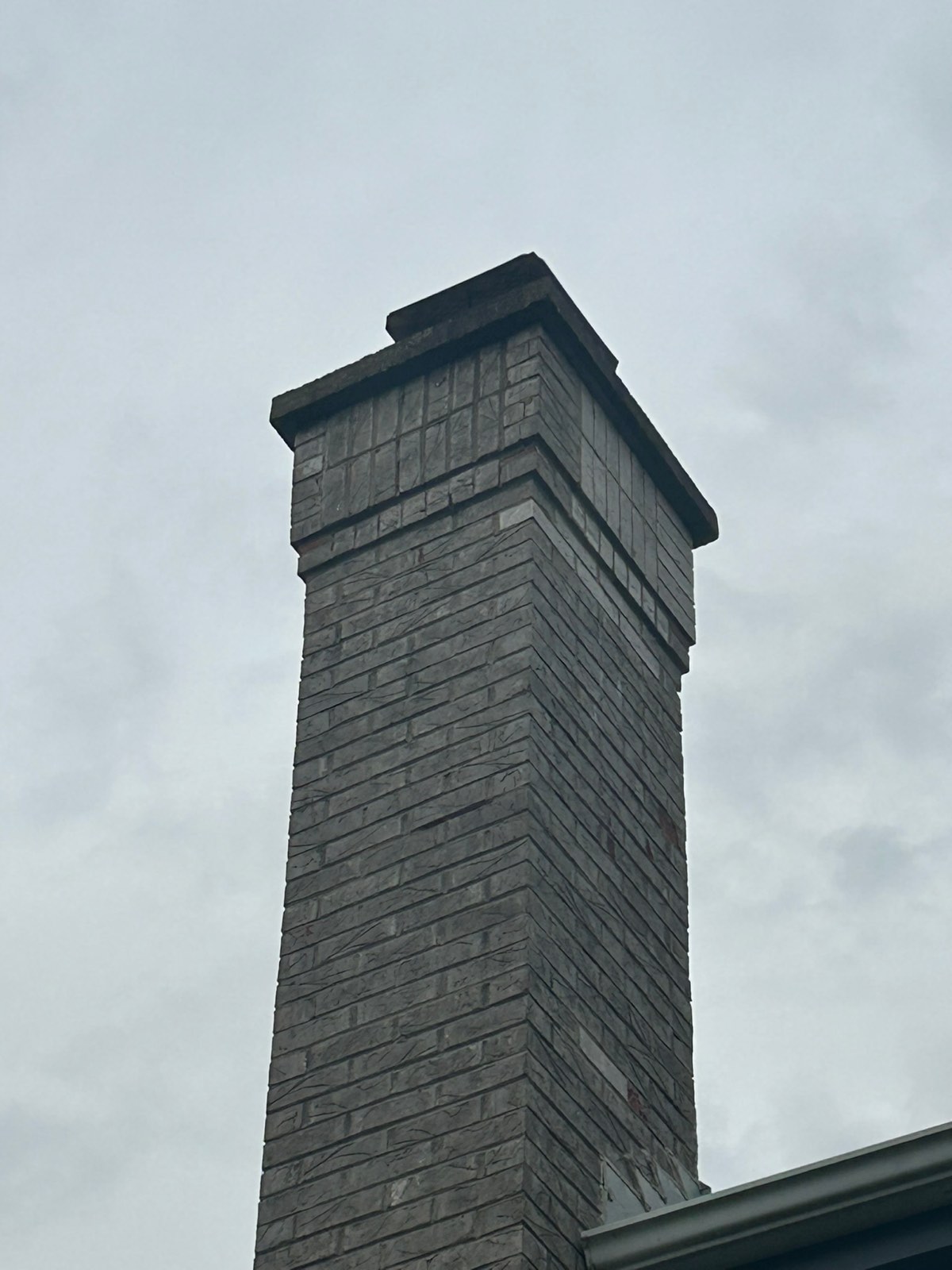
Masonry Chimney or Prefab Chase? How to Tell What You Have — and Who Can Actually Fix It
Two chimneys can look nearly identical from the driveway and be completely different structures. One is solid masonry a mason repairs. The other is a wood-framed box with a brick face or siding on it, and half of what fails on it isn't masonry work at all.
Ivy, Vines, and Trees: What Plants Actually Do to Chicago Masonry
Ivy on brick is one of the prettiest things in a Chicago neighborhood and one of the most misunderstood. Some of it is nearly harmless on sound masonry. Some of it takes the wall apart joint by joint — and pulling it off wrong does more damage than leaving it up.
Brick Arches, Soldier Courses, and Corbels: Repairing the Decorative Masonry on Chicago Homes
The brickwork over your windows, the banding under your roofline, the corbelled detail on your chimney — these were laid by hand by someone who knew what they were doing. When they fail, rebuilding them takes reading the original pattern before a single brick comes out.
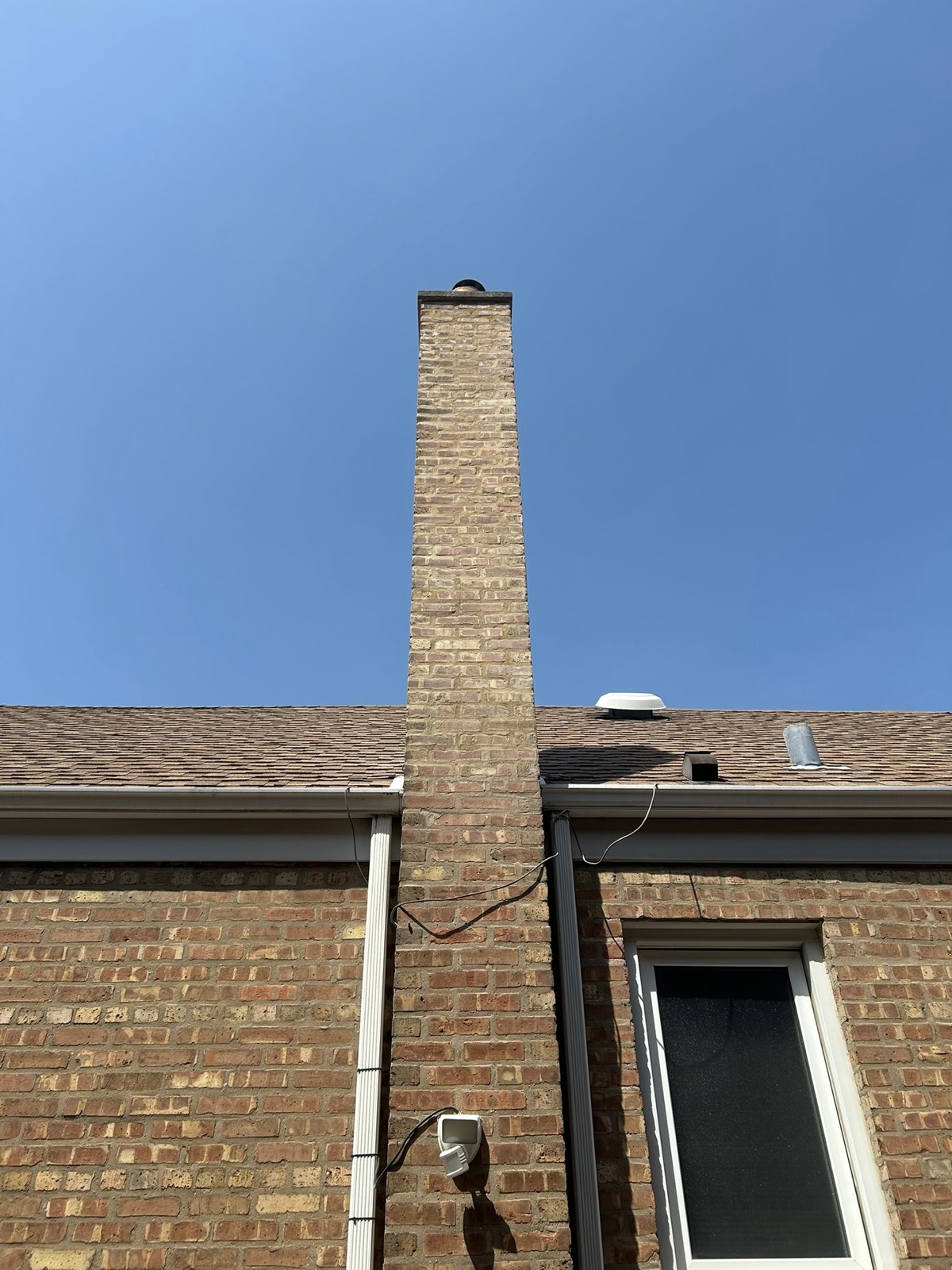
Mortar Joint Profiles Explained: Concave, Weathered, Raked, Grapevine — and Why the Finish Decides How Long Your Wall Lasts
The shape a mason tools into a mortar joint isn't decoration. It compacts the mortar, closes the surface, and decides whether the joint sheds water or holds it — which is why matching the profile is one of the biggest tells of good tuckpointing.
Does Homeowners Insurance Cover Masonry Repair? What Chicago Homeowners Should Know
Insurance generally pays for masonry damage that happens suddenly — a storm, a lightning strike, a vehicle impact — and generally doesn't pay for masonry that simply wore out. Knowing which side of that line your chimney or wall falls on saves a lot of frustration before you pick up the phone.
Glass Block Windows in Chicago: Why They Leak, When to Replace, and How They're Set Right
Glass block basement windows are on half the brick homes in Chicagoland, and almost nobody thinks about them until one is leaking, bowing, or fogged solid. Here's how a glass block panel actually works, why it fails, and what a proper masonry installation involves.
What Actually Happens If You Don't Repair Failing Masonry
Nothing dramatic happens in year one, which is exactly the problem. Here's the honest timeline of deferred masonry in a Chicagoland climate — what changes each winter, and where the repair stops being a repair.
Type N vs Type S Mortar: Which One Belongs on Your Chicago Brick?
Type S is stronger than Type N — which is exactly why using it on the wrong wall destroys brick. Here's what the mortar types actually mean, how a Chicago mason picks between them, and why the strongest mix is almost never the right one on an older brick home. Free on-site estimates from Paul Lally's Masonry Inc.
Should You Power Wash or Sandblast Brick? What Aggressive Cleaning Does to Chicago Masonry
Sandblasting and high-pressure washing are the fastest way to permanently ruin a Chicago brick or limestone building — and the damage cannot be undone. Here's what those methods actually remove, what safe masonry cleaning looks like, and how to match the method to the stain. Free on-site estimates from Paul Lally's Masonry Inc.
Everything Around a Window: Why Masonry Fails at Openings First
Lintel, head joint, jambs, sill, drip edge, flashing, weeps — a window opening is six or seven masonry details stacked together, and a failure in any one of them shows up looking like the others. Here's how to read the whole assembly.
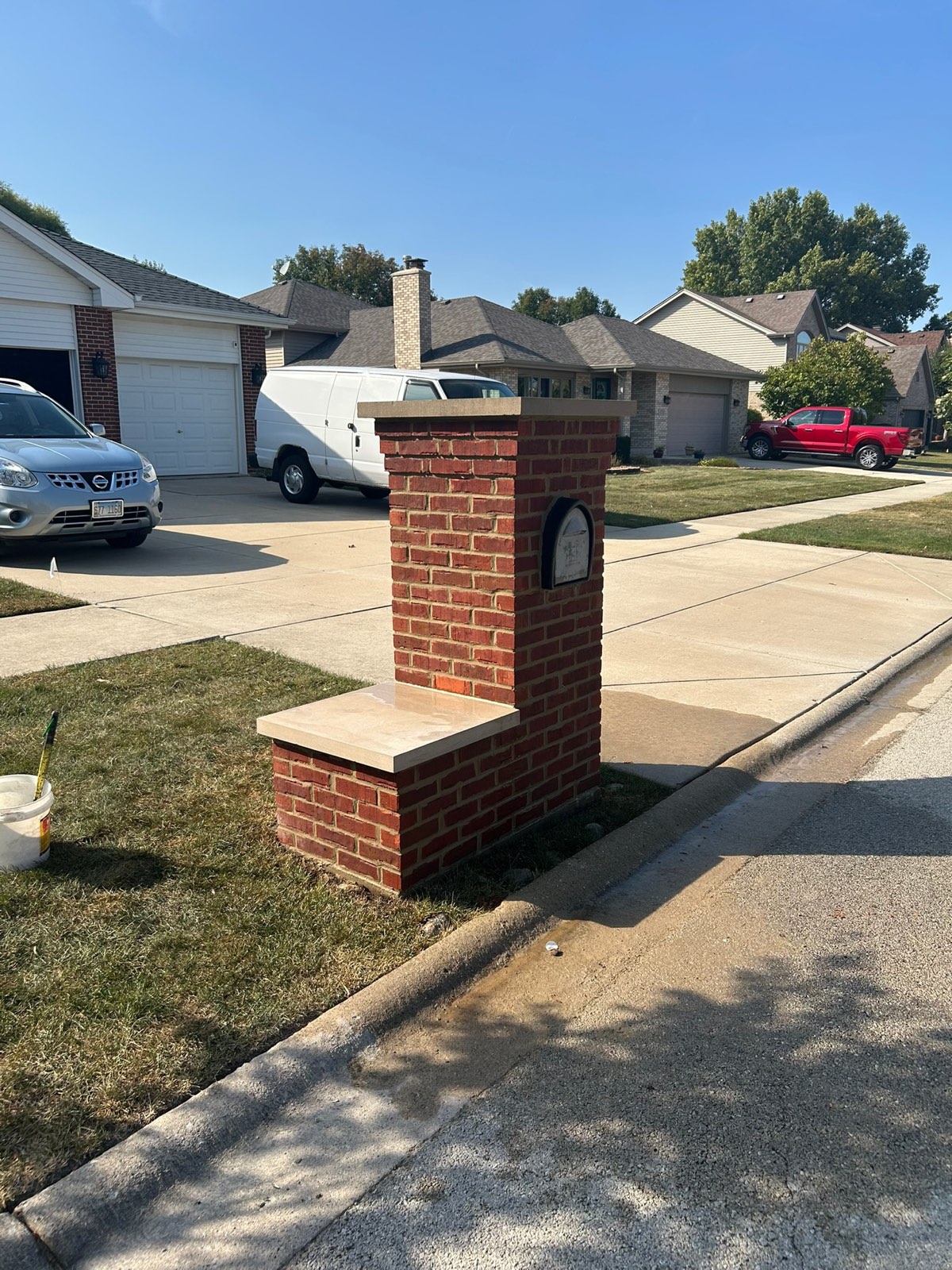
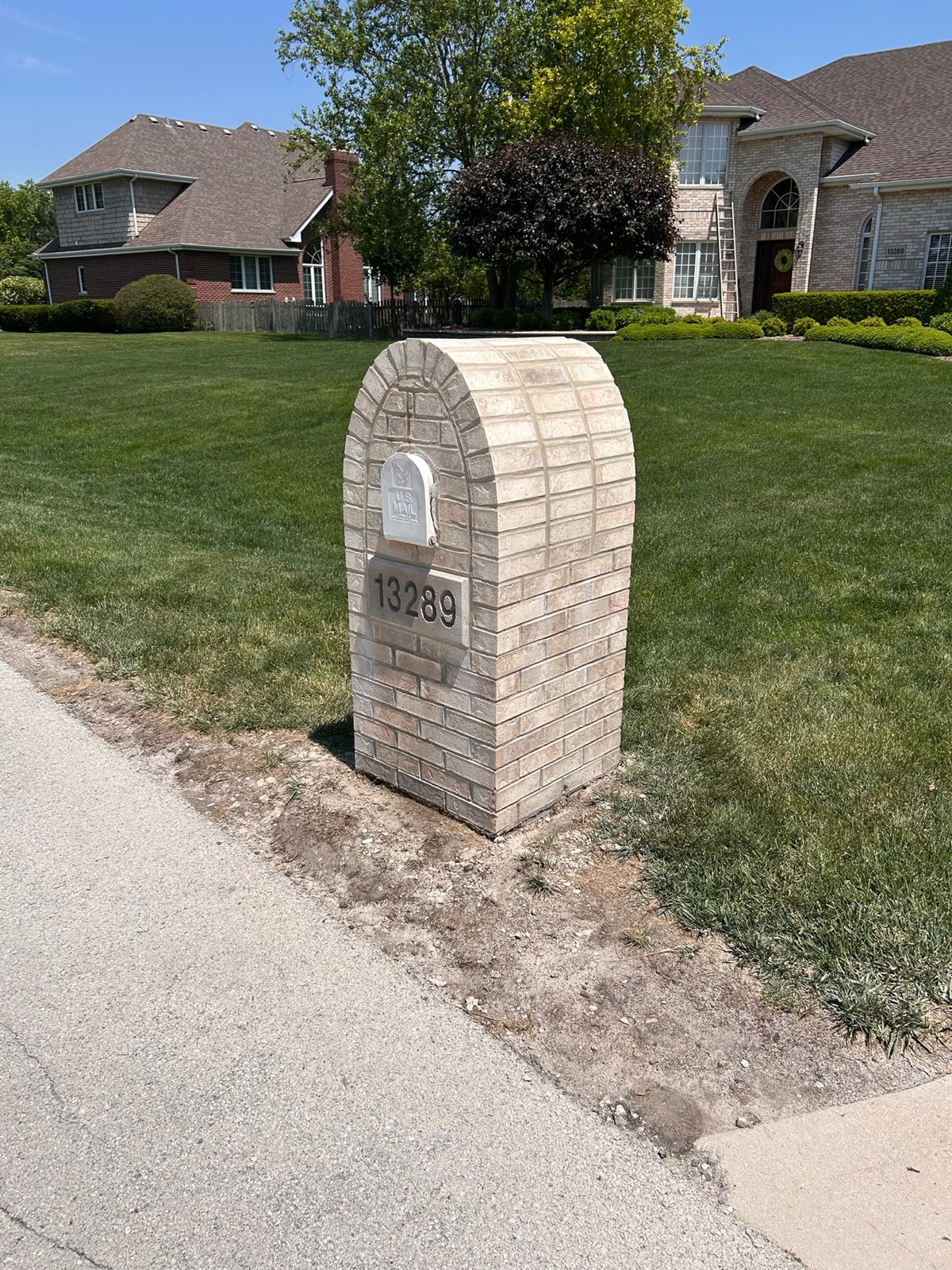
Mailboxes, Pillars, and Garden Walls: Why Freestanding Masonry Fails Fastest
A brick mailbox pillar has no roof, no building behind it, and no interior warmth — it's weathered on every surface at once and sits right where the snowplow throws salt. Here's why it deteriorates faster than your house, and what a proper rebuild involves.
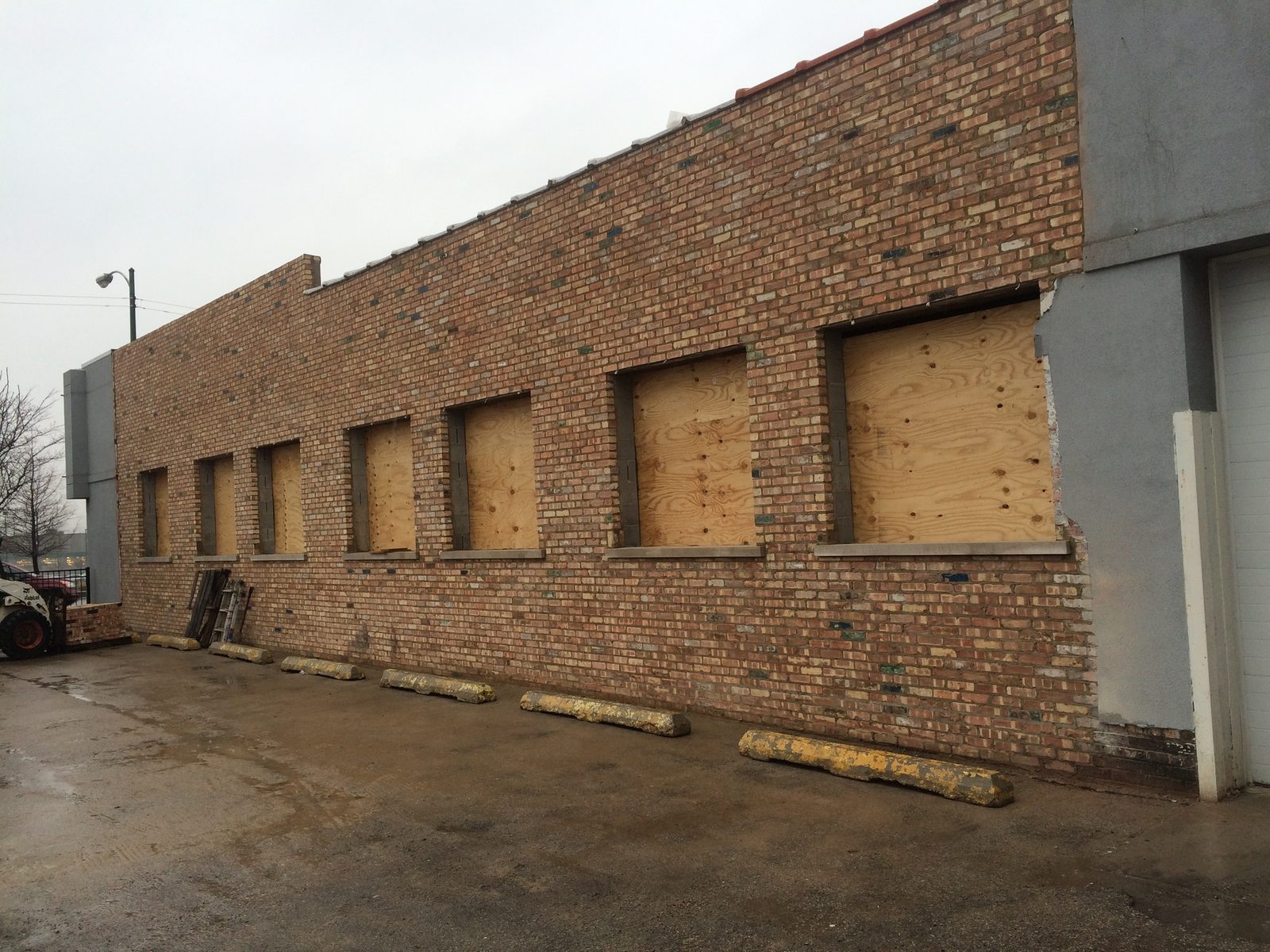
Condo & HOA Masonry Repair in Chicagoland: How the Process Actually Works
Association masonry work has moving parts a single-family job never does — common elements, board approval, reserves, phasing, resident access, and years of deferred maintenance. Here's how Chicagoland condo and HOA masonry projects get scoped, sequenced, and done without surprises. Free on-site estimates from Paul Lally's Masonry Inc.
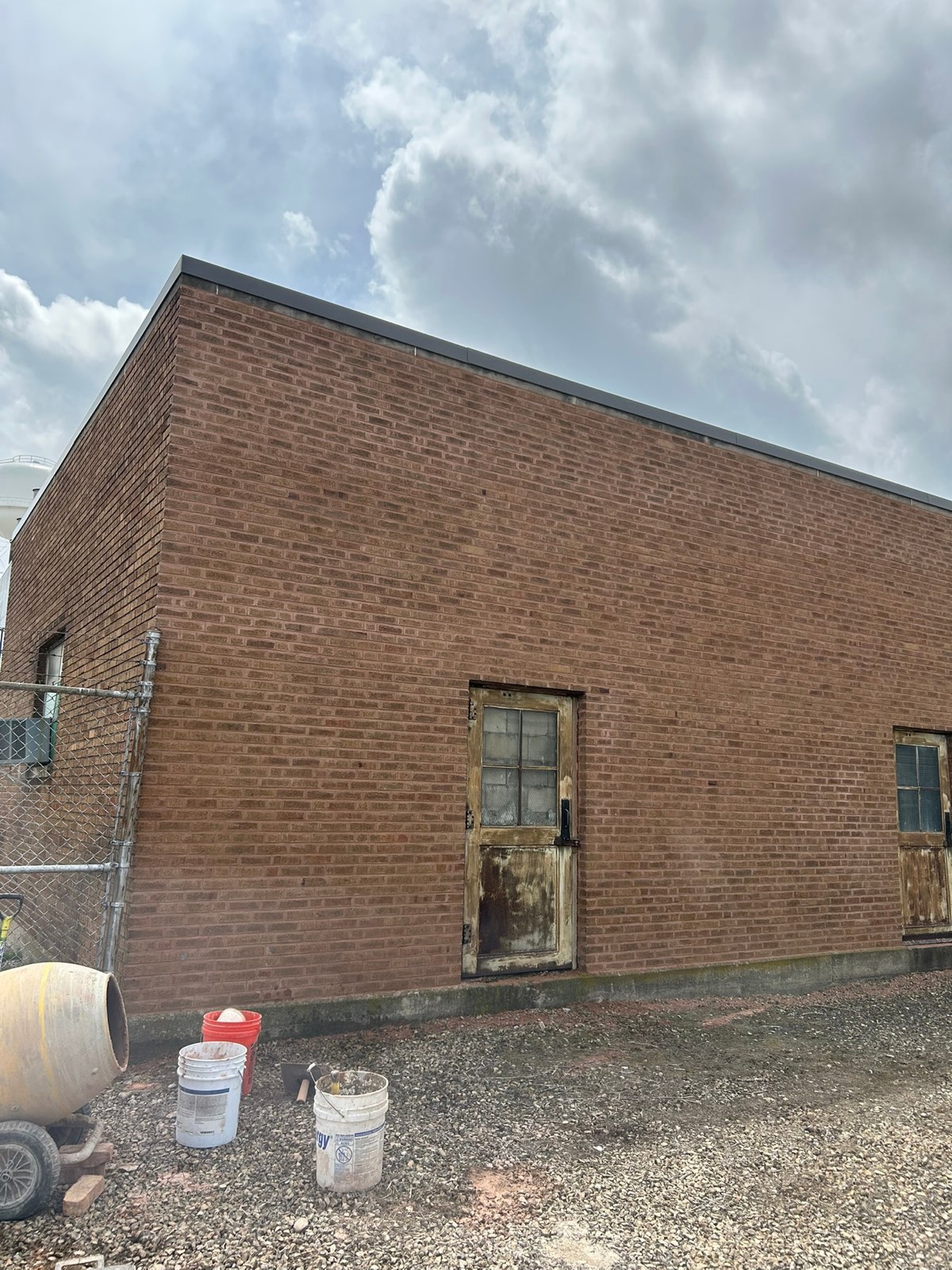
Height and Access: The Masonry Cost Driver Nobody Explains
Two walls with the same amount of failed mortar can cost very differently, and the reason usually has nothing to do with the masonry. It's how the crew reaches it — and that's worth understanding before you compare quotes.
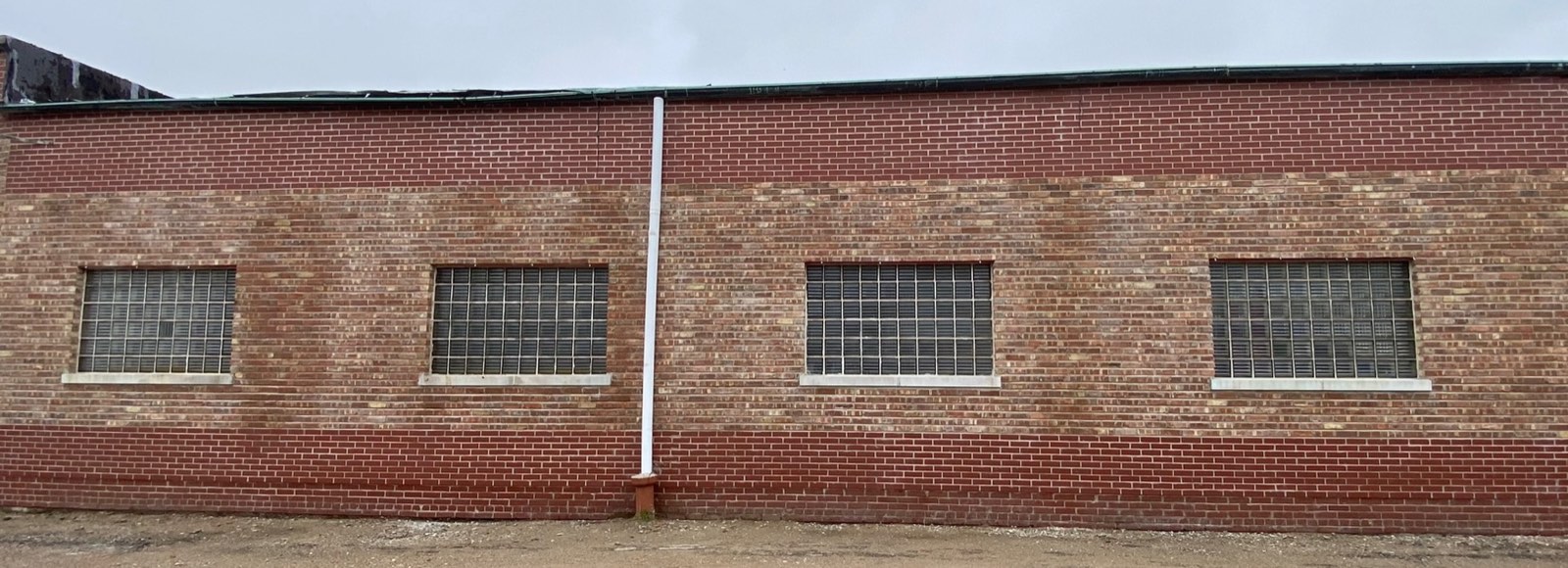
Reading a Chicagoland Building's Age From Its Brick and Mortar
You can date most Chicago-area masonry within a couple of decades just by looking at it — the bond pattern, the brick itself, the joints, and what's holding the wall to the floors. And the era tells you exactly what the wall needs.
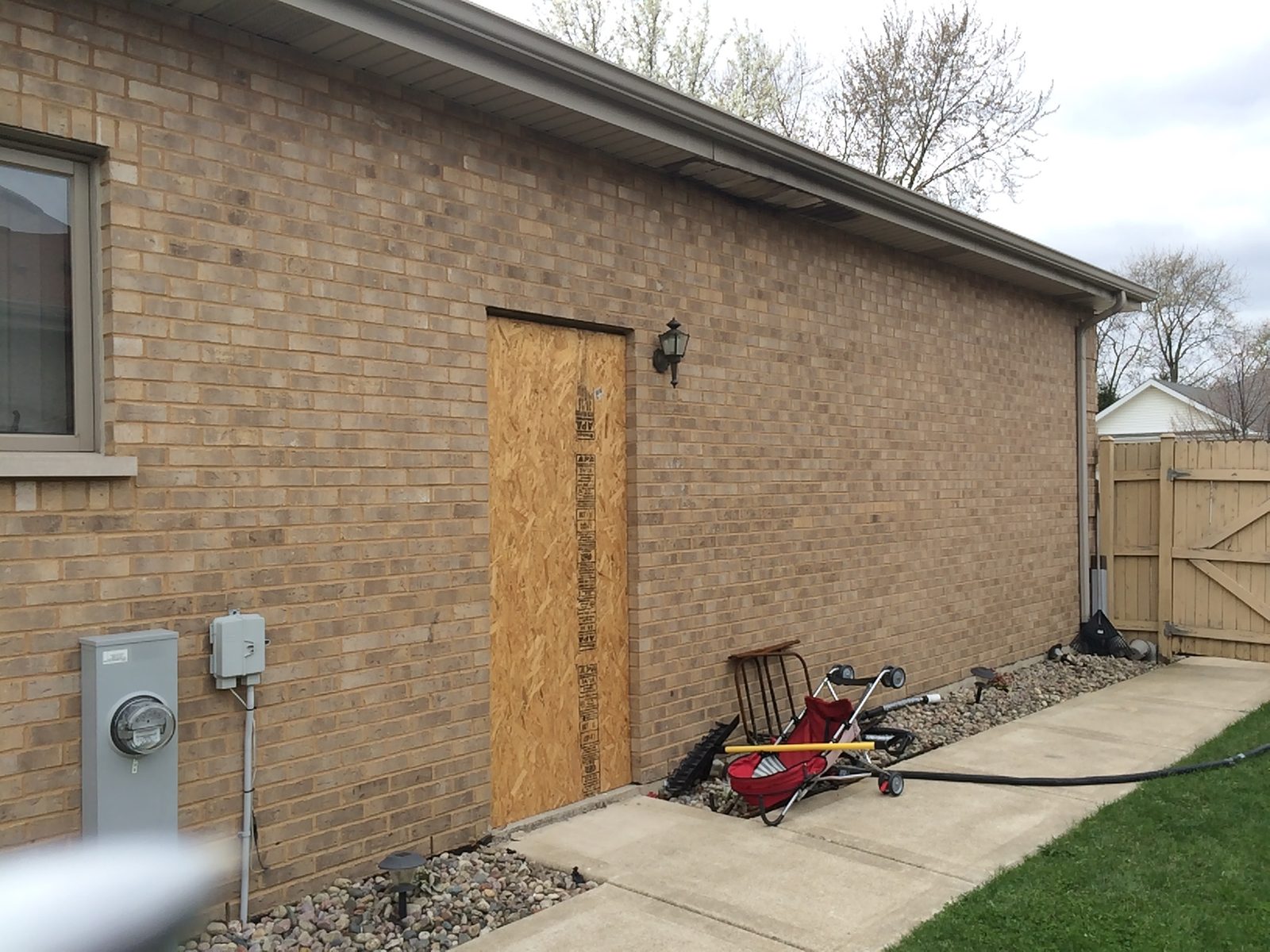
What to Expect in the First Five Years After Masonry Repair
New mortar changes colour for months. Efflorescence often blooms right after repointing. Neither means the job was botched — but some things genuinely do. Here's how to tell normal settling-in from a repair that's failing.
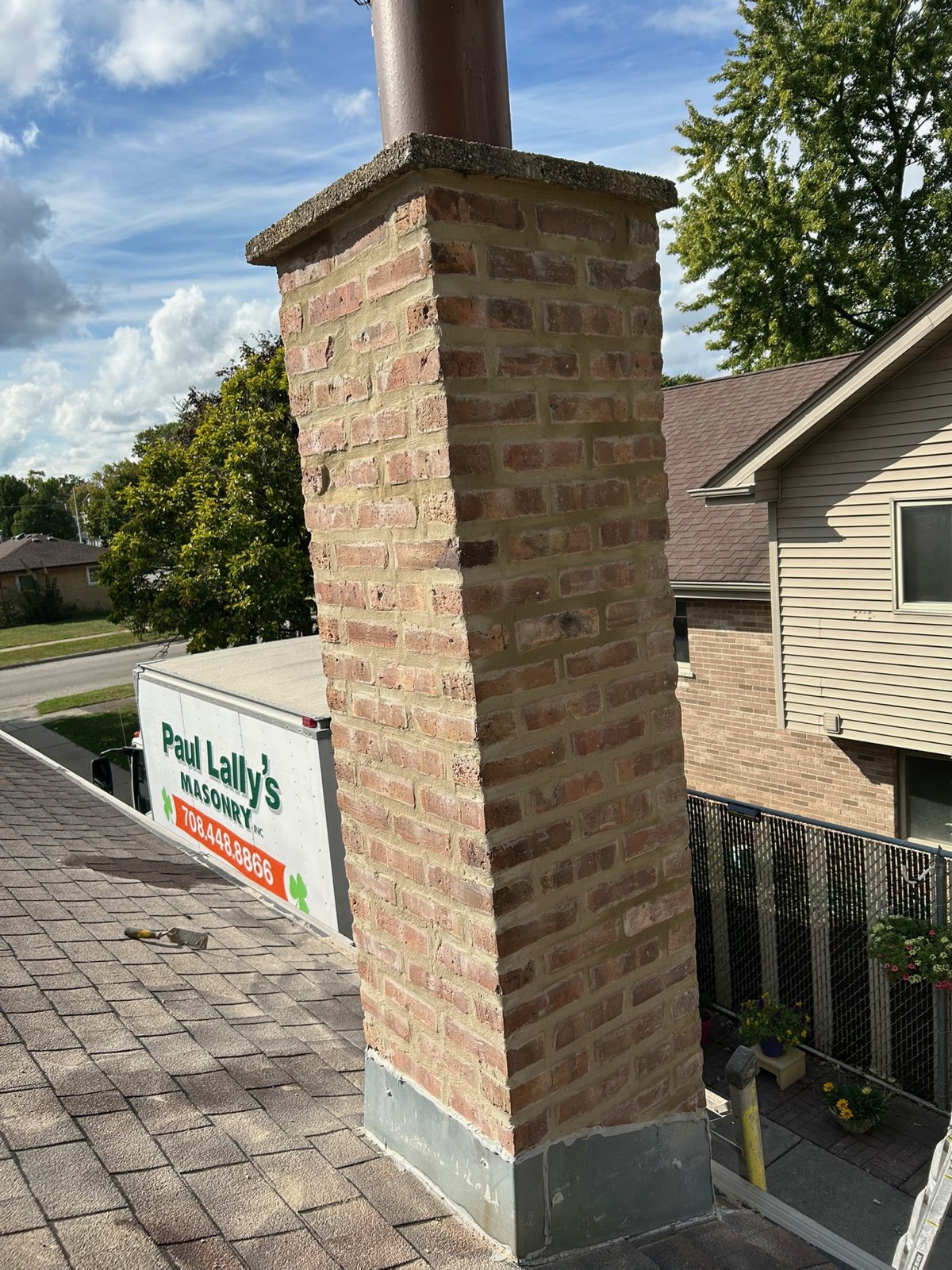
Mason, Chimney Sweep, Waterproofer, or Engineer? Who to Call for What
Half the masonry calls we get should have gone to someone else first — and a fair number of the jobs we're asked to fix were done by the wrong trade. Here's who actually handles what, and how to tell from your symptom.
Can't Do It All This Year? How to Prioritize Masonry Repairs
Almost nobody does their whole building at once. The question isn't whether to phase the work — it's which items genuinely can't wait, and which ones get cheaper by waiting. Here's the order that actually saves money.
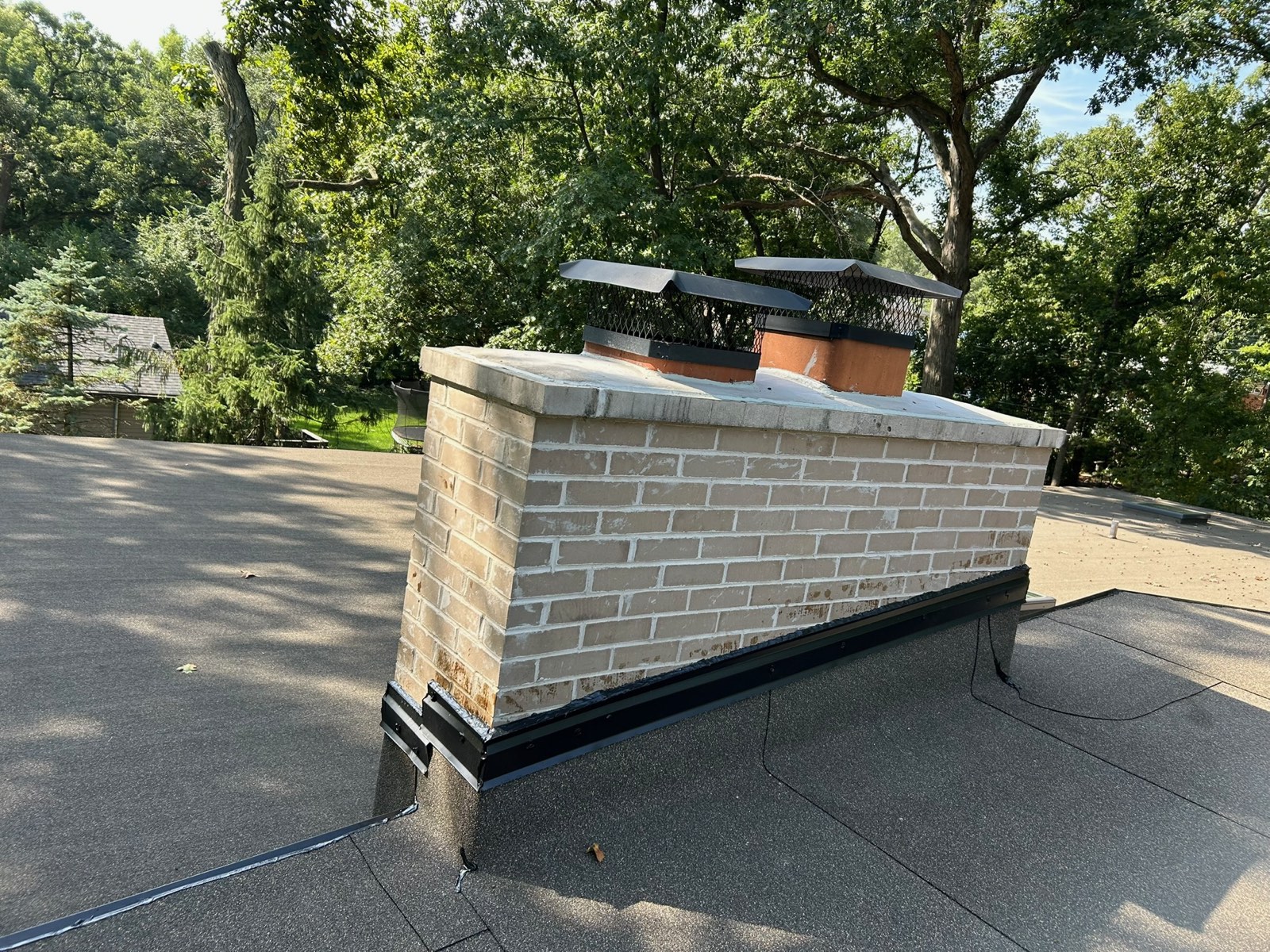
What "Insured" Should Mean When You Hire a Mason — and What to Actually Verify
Every contractor's website says insured. Almost no homeowner asks to see it, and fewer still know what they'd be looking at. On masonry — where crews work at height above sidewalks and neighbors — it's worth understanding.
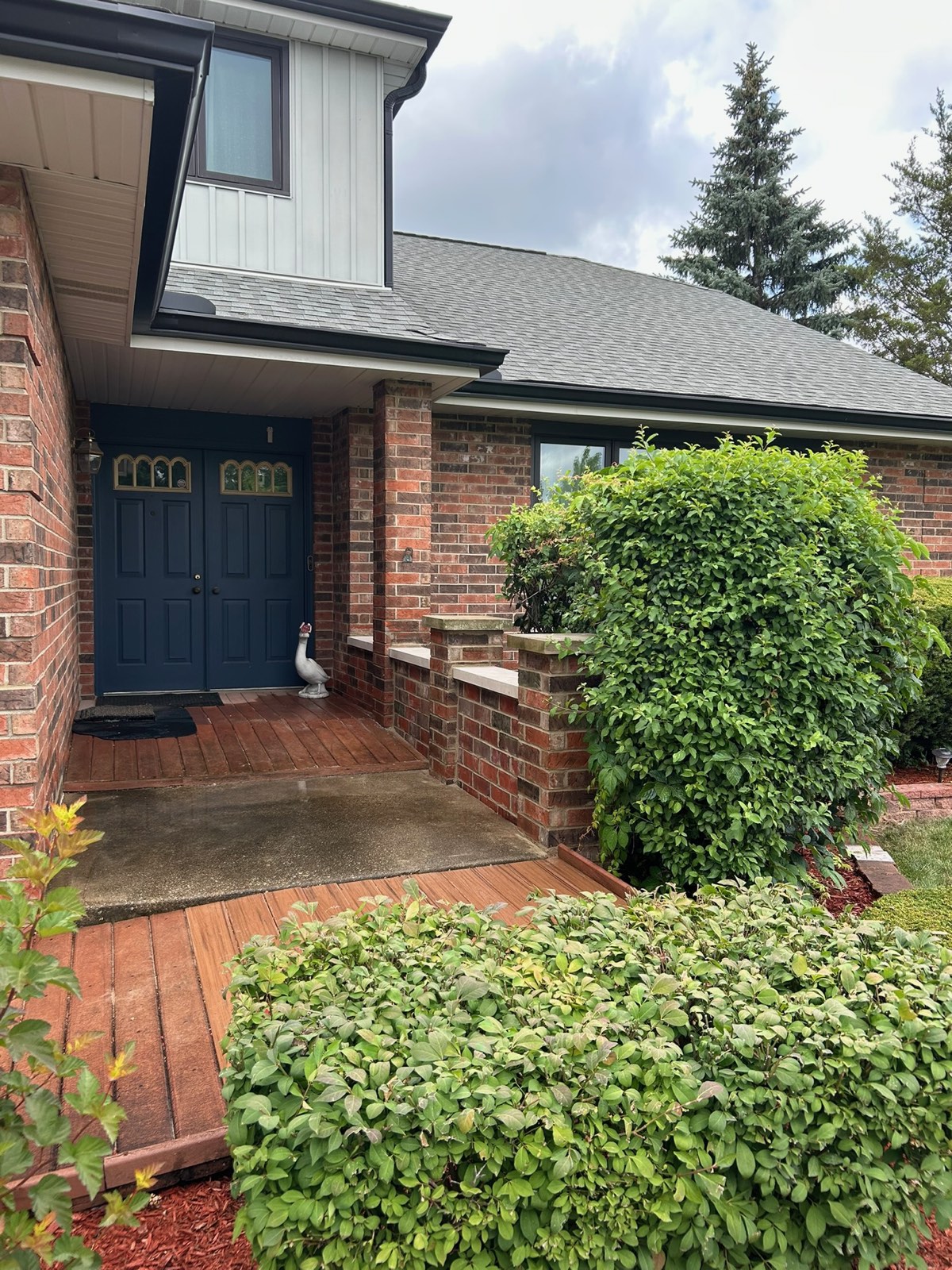
Weep Holes: The Most Misunderstood Part of Your Brick Wall
Those small gaps along the bottom course of your brick aren't sloppy workmanship or holes to be filled. They're the drain on a wall designed to let water in — and sealing them is one of the most damaging things anyone can do to a modern brick house.
Shared Walls and Party Walls: When Your Neighbor's Masonry Is Your Problem
On Chicago's attached buildings, one wall often belongs to two owners — and water doesn't care whose side it started on. Here's how shared masonry actually fails, what a mason can and can't sort out, and where the conversation has to move from brick to lawyers.
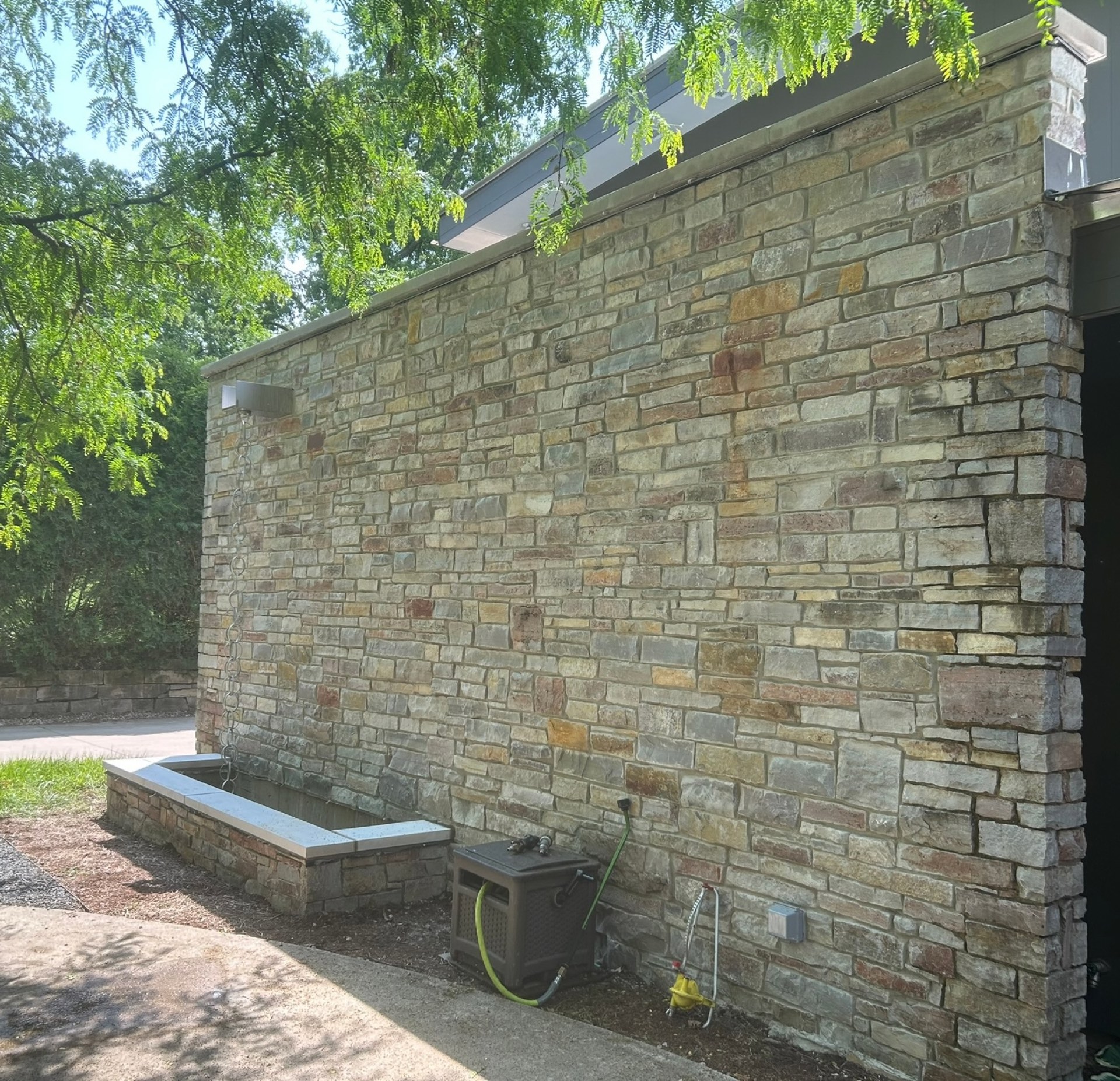
Buying a Brick House in Chicagoland? What to Check Before You Make an Offer
A general home inspector will flag the masonry conditions. What they can't tell you is which ones are a weekend's repointing and which are a five-figure rebuild — and that difference is worth knowing before you're under contract.
What Actually Happens During a Free Masonry Estimate
A good masonry estimate is a diagnosis, not a measurement. Here's what a mason should actually do at your house, what you should be asked, what you should ask back, and the visit behaviors that tell you which kind of contractor you've got.
Masonry Steps, Stoops, and Porches: The Hardest-Worked Masonry You Own
Your front steps take salt, snowmelt, splashback, and every footstep into the house. They deteriorate faster than any wall on the property — and unlike a wall, when they fail somebody trips.
Those Metal Stars on Chicago Brick Buildings: Anchor Plates and Tie Rods Explained
The cast-iron stars, circles, and S-shapes bolted to old Chicago brick aren't decoration. They're the visible end of a steel rod running through the building — and knowing whether yours is original, retrofitted, or failing tells you a great deal about the wall.
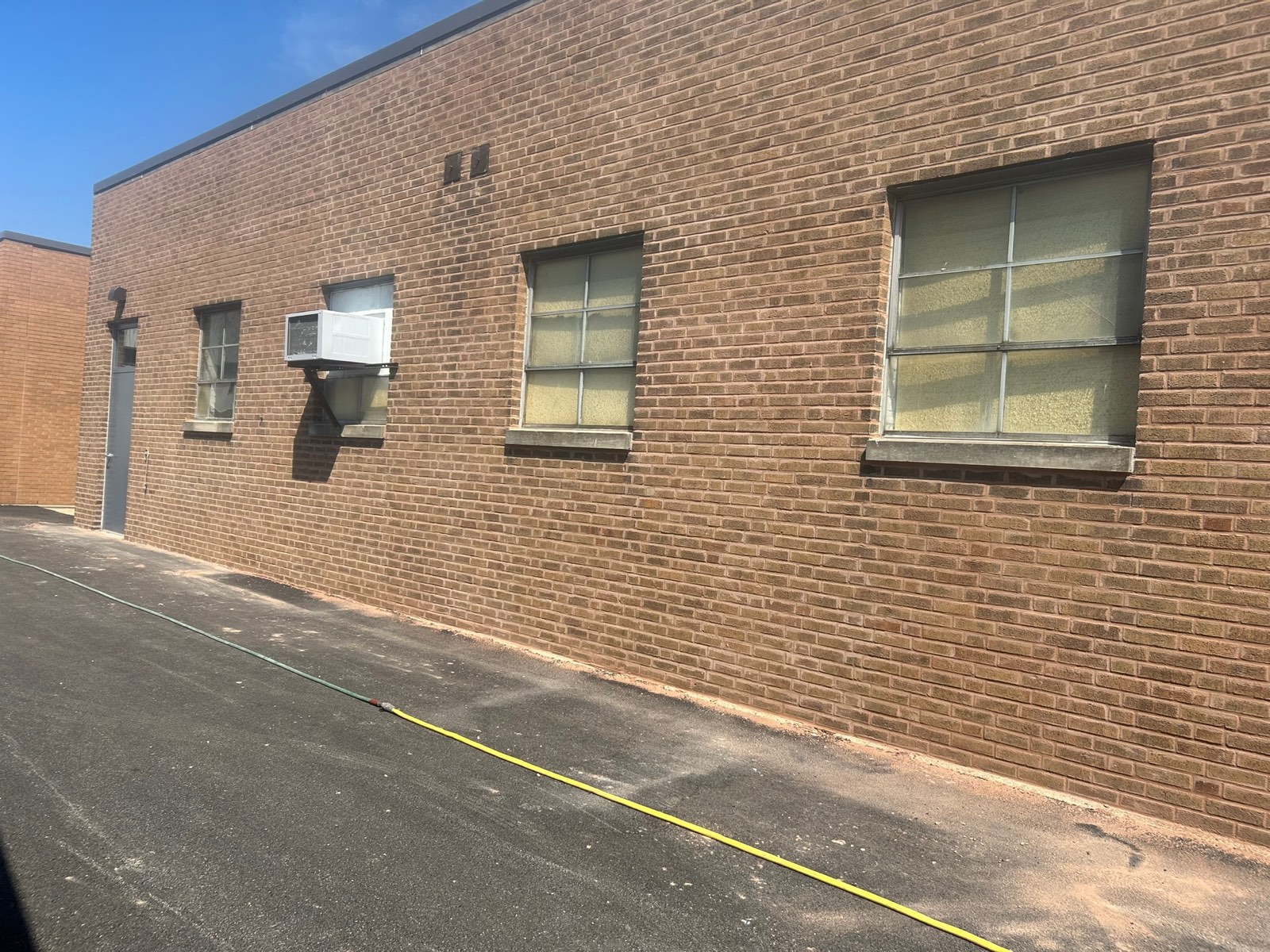
Should You Paint Your Brick? What Paint Actually Does to Chicagoland Masonry
Painted brick photographs beautifully and is close to permanent. Before you commit, here's the building science of what a coating does to a wall in a freeze-thaw climate — and the honest cases where it's defensible.
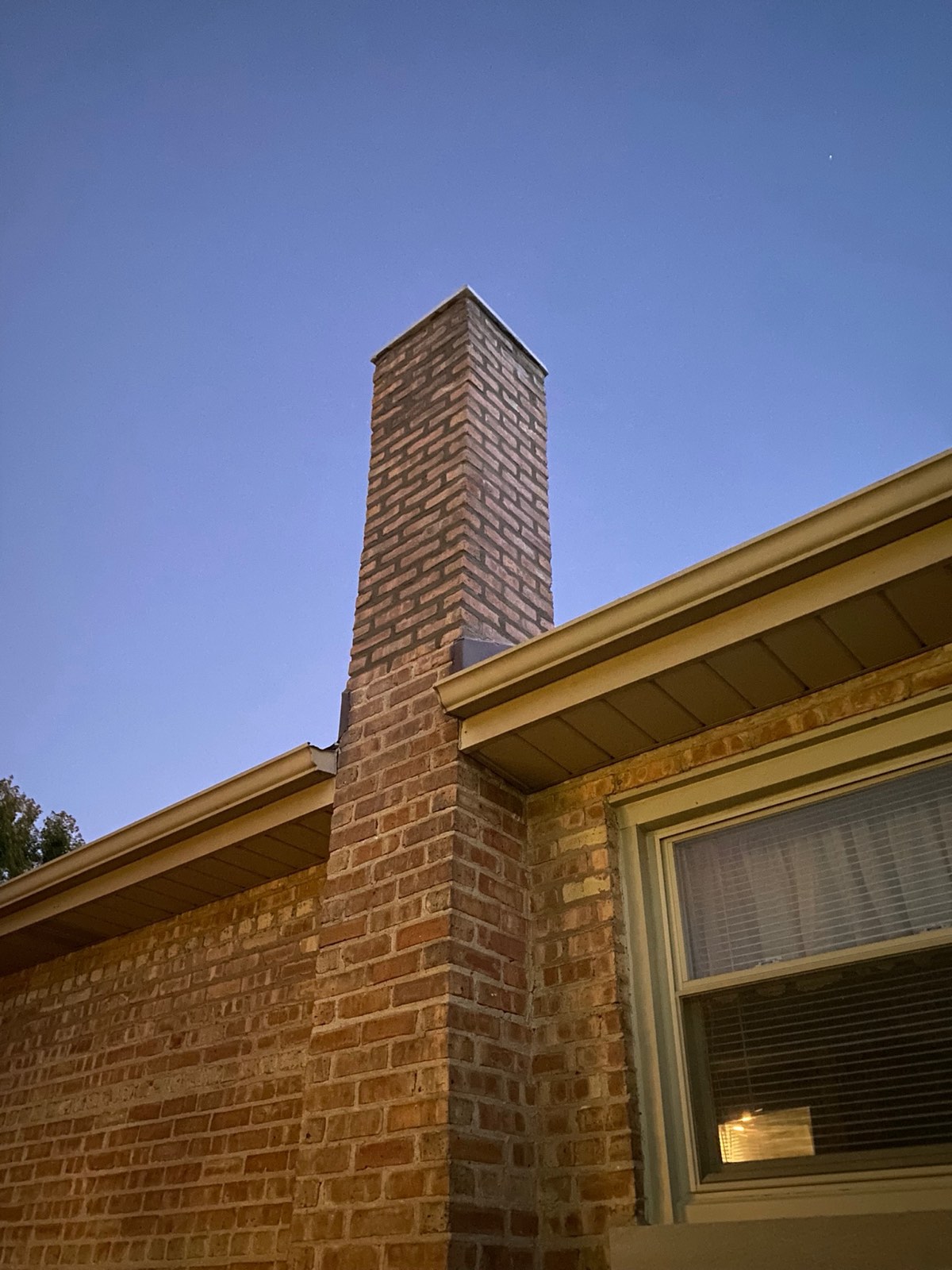
Masonry Terms Every Chicagoland Homeowner Should Know
A plain-English glossary of the words that show up in masonry estimates, inspection reports, and contractor conversations — with what each one means for your building and why it matters in a freeze-thaw climate.
A Brick Fell Off My House. What Do I Do Now?
Falling masonry is the one situation where the order of your next three steps genuinely matters. Here's what to do in the first hour, what makes a condition urgent rather than routine, and what a mason will actually do when they arrive.
Snow, Ice, and Salt: How to Protect Chicagoland Masonry Through Winter
Most winter masonry damage isn't caused by cold — it's caused by decisions made in November about where snow gets piled, what gets salted, and where the downspout ends. Here's the prevention list that actually works, and the time to act on it is before the first freeze.
What Is Tuckpointing? A Chicago Homeowner's Complete Guide
The single most common masonry repair in Chicagoland, explained from scratch — what it is, why brick walls need it, how to tell when yours does, what a proper job looks like, and how to spot one that was faked.
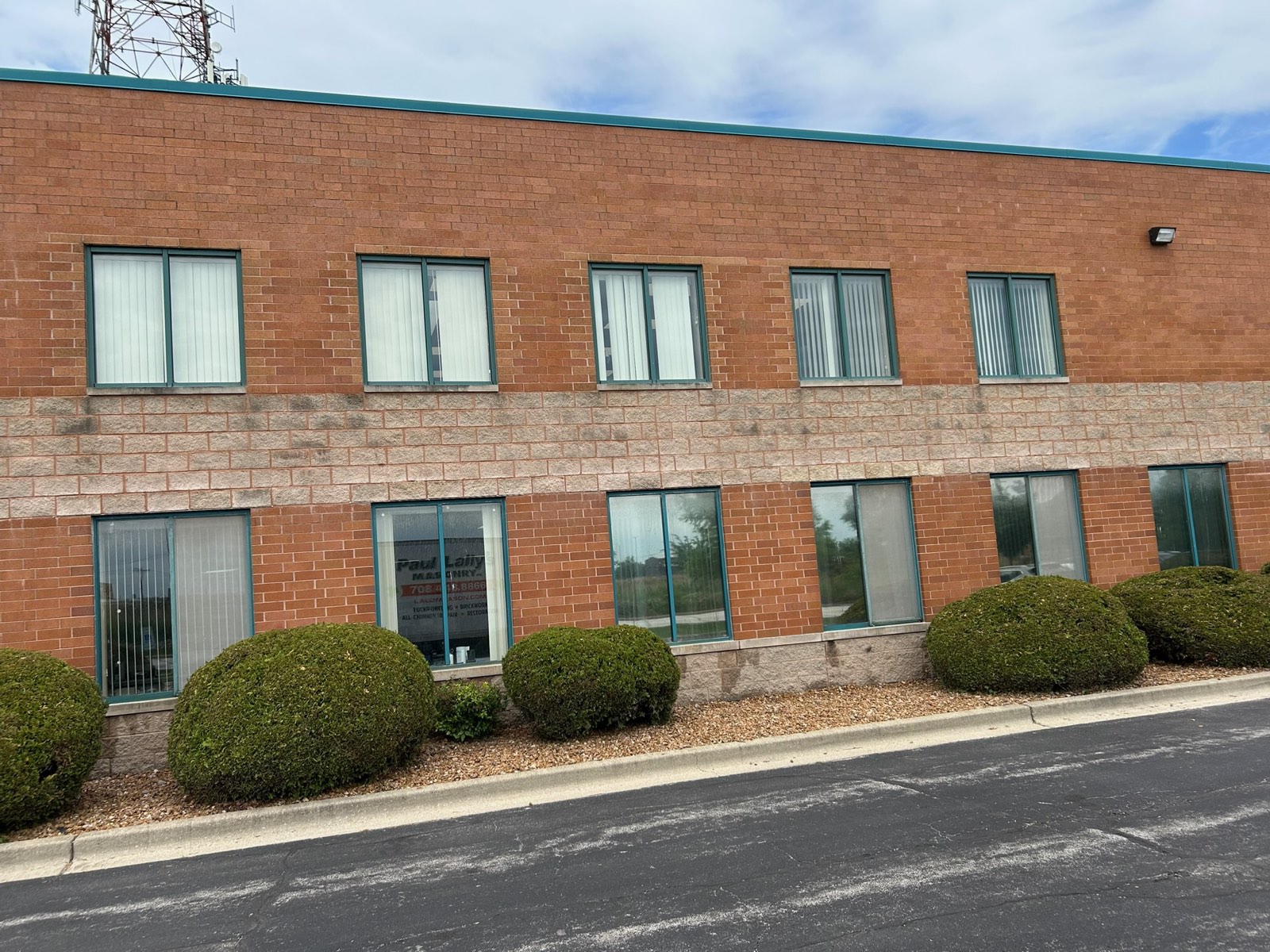
Why Your Brick Repair Doesn't Match — and What a Good Mason Does About It
Brick is fired clay, made in batches, from local pits, in sizes that have changed over a century. Matching a repair is a real technical problem — here's what actually makes a patch visible, and what can honestly be done about it.
What's That Stain on Your Brick? Efflorescence, Algae, Mold, and Mortar Smear Told Apart
White, green, black, orange, or a chalky haze — the color and pattern of a stain on brick tells you what it is and, more usefully, whether it's a cosmetic nuisance or a warning that water is moving through your wall.
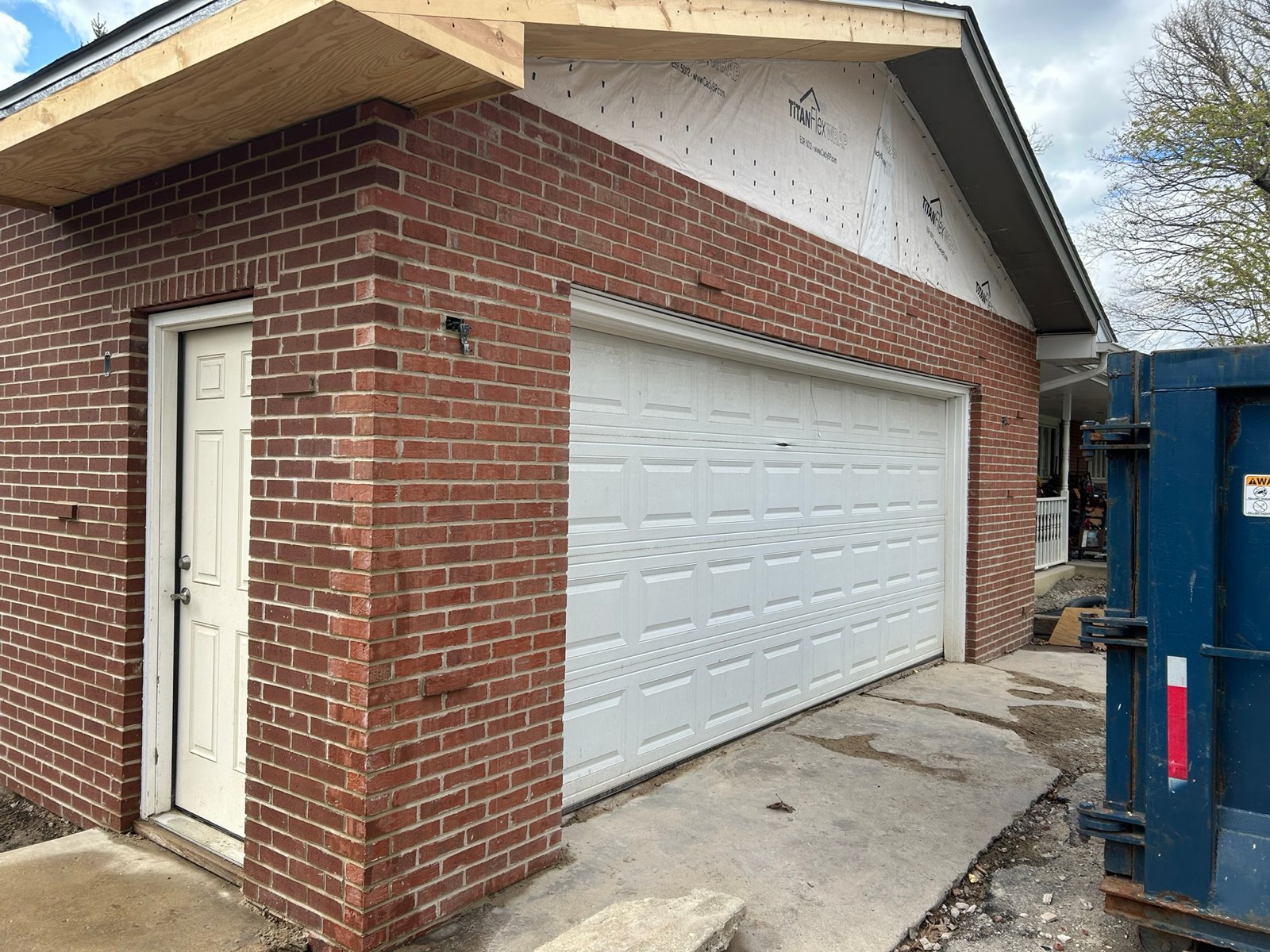
Mason or Structural Engineer? How to Tell What Your Cracked Wall Actually Needs
Some masonry problems are a material wearing out. Others are a building moving. They look similar from the sidewalk and need completely different professionals — and hiring the wrong one first wastes money and, occasionally, hides something serious.
The Detached Garage: The Most Neglected Masonry on Your Chicago Property
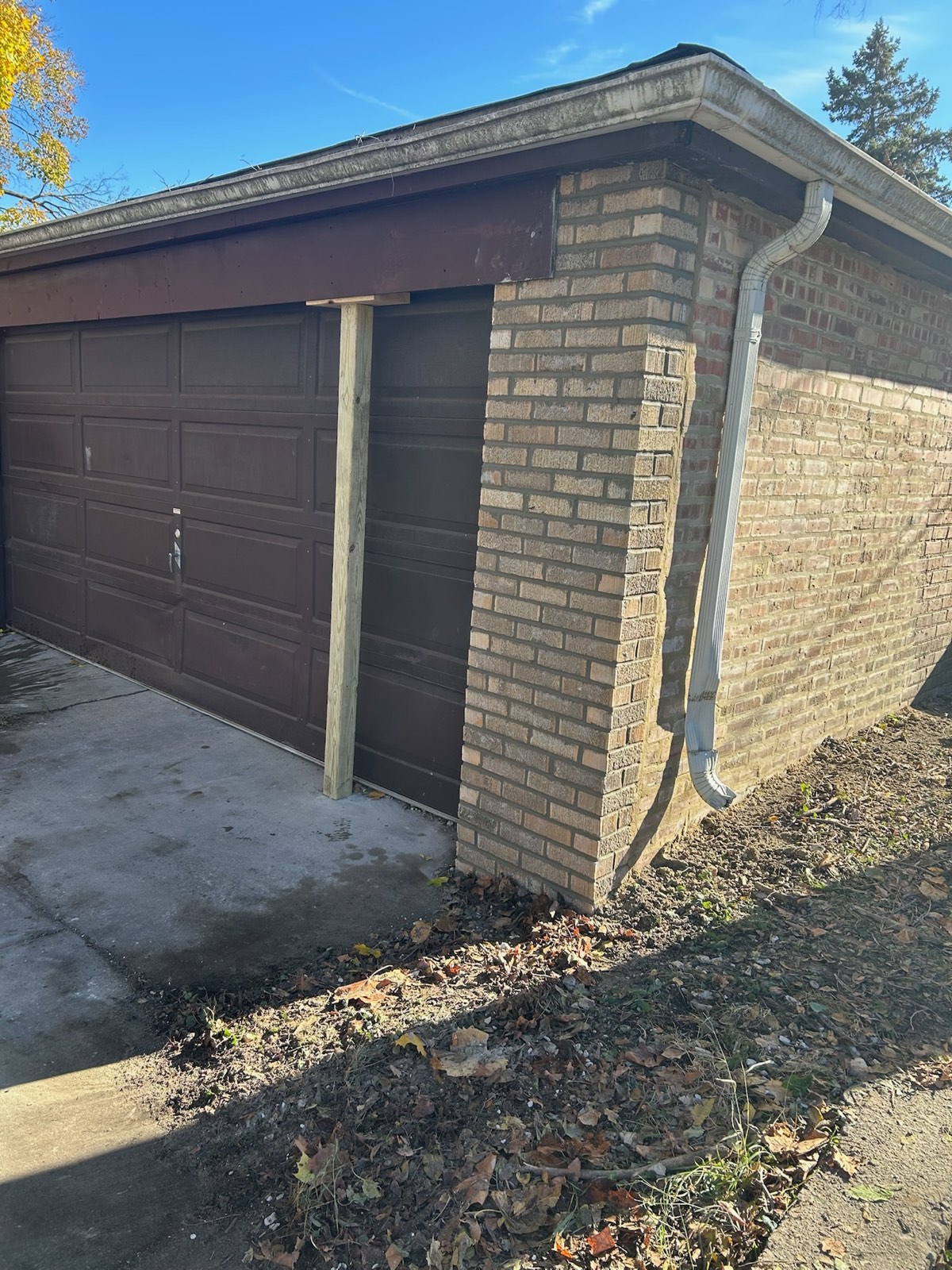
Nobody photographs the garage, nobody looks at the alley elevation, and nobody budgets for it — which is why the brick garage out back is usually in worse shape than the house it belongs to. Here's what fails, why it fails faster, and what's worth doing.
Why Masonry Repairs Fail: 8 Mistakes That Cost Chicagoland Homeowners Twice
Most failed masonry repairs weren't damaged by weather — they were built wrong. Here are the eight mistakes we're called in to undo most often, why each one fails, and how to tell whether the work on your house was done right.
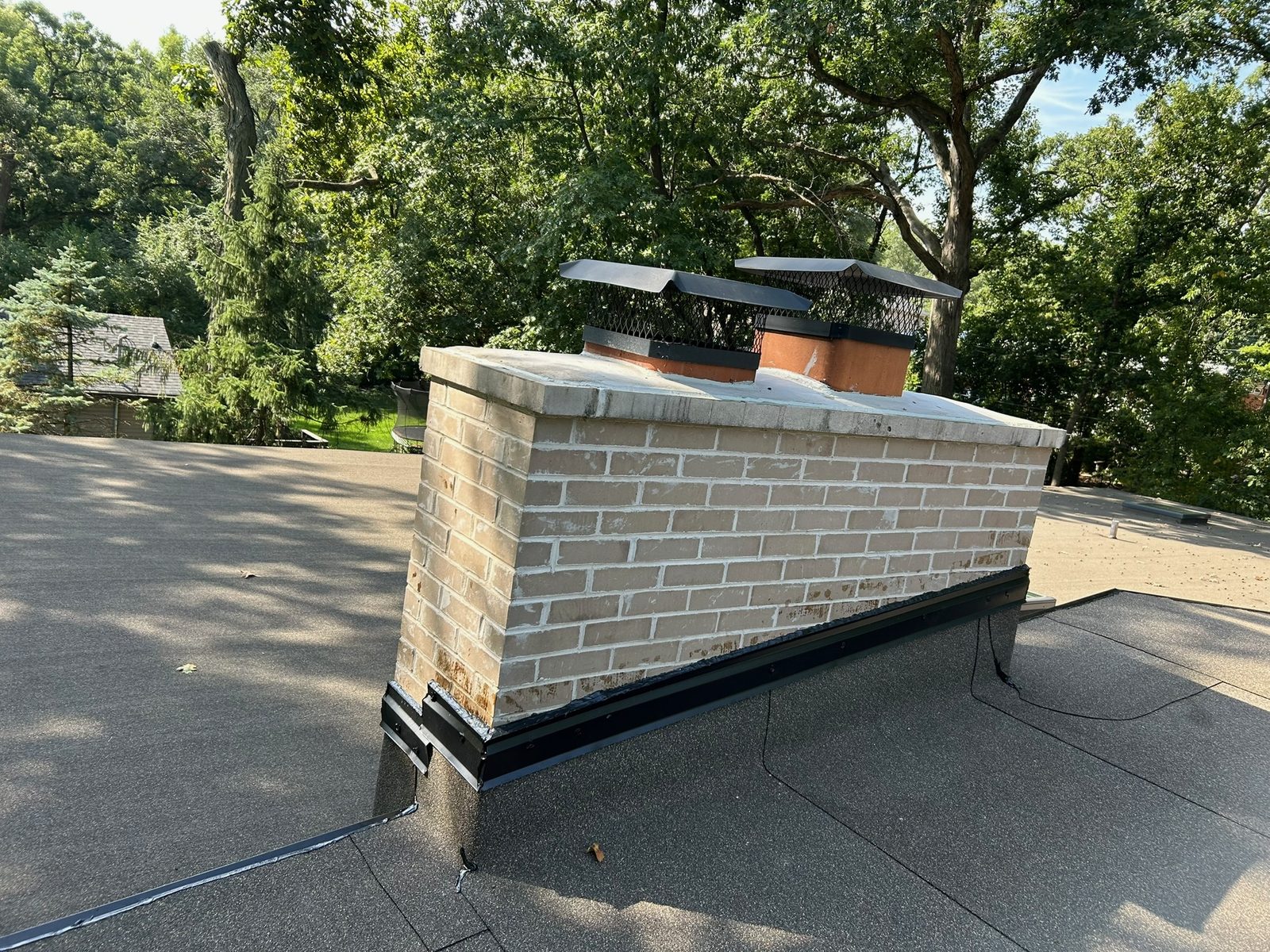
Your Furnace Doesn't Use the Chimney Anymore. Now What? Repair, Reduce, or Remove
High-efficiency furnaces vent out the side wall, leaving thousands of Chicago chimneys with no job and no maintenance. That masonry keeps weathering — and keeps leaking. Here's how to decide between repairing it, taking it down to the roofline, or removing it entirely.
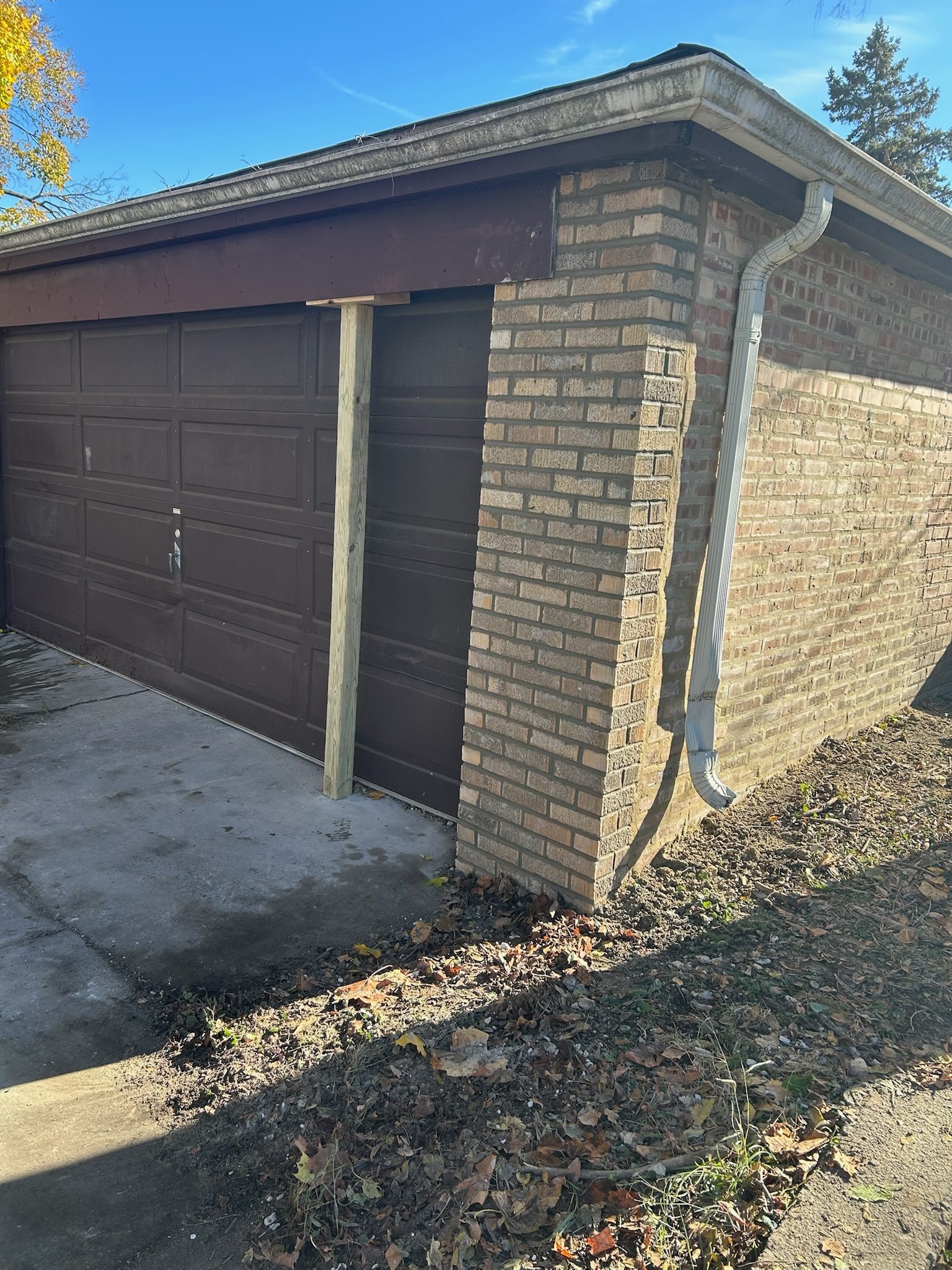
Masonry Repair Before Selling Your Chicago Home: What Inspectors Flag and What's Worth Fixing
Masonry is one of the first things a home inspector writes up and one of the most effective things a buyer negotiates against. Here's what gets flagged on Chicagoland brick homes, what's genuinely worth repairing before listing, and what you can leave alone.
Masonry Repair for Chicago Two-Flats and Small Apartment Buildings: An Owner's Guide
A two-flat isn't just a bigger house. Parapets, shared walls, tenant access, back porches, and a roofline nobody looks at change what masonry repair involves and what it costs to defer. Here's how to read the condition of a small Chicago apartment building and prioritize the work.
How Long Does Tuckpointing Take? A Realistic Timeline for Chicagoland Homes
Everyone asks what tuckpointing costs. Almost nobody asks how long it takes — and then they're surprised when scaffolding goes up for a week. Here's an honest breakdown of tuckpointing timelines, what makes a job run long, and what actually happens each day.
Brick Veneer vs. Solid Masonry: How to Tell What Your Chicago Home Is Built Of — and Why It Changes Every Repair
Two brick walls can look identical from the sidewalk and need completely different repairs. Here's how to tell whether your Chicagoland home is solid masonry or brick veneer, why the difference decides how water moves through the wall, and what each type actually needs.
Step Cracks in Brick Walls: What They Mean, When to Worry, and How They're Fixed
A stair-step crack running up your brick means the wall has moved. Here's how to read the crack pattern, tell whether the movement is still active, know which signs are genuinely urgent, and understand what a real repair involves.
How to Hire a Masonry Contractor in Chicago: The Questions to Ask and the Red Flags to Walk Away From
Masonry is one of the easiest trades to fake — a skim job looks identical to a real repair the day it's finished, then fails in three winters. Here are the questions that separate a real mason from a salesman, and the red flags worth walking away from.
Historic Masonry Restoration in Chicago: Why the Wrong Mortar Destroys a Century-Old Brick Home
Mortar is supposed to be the sacrificial part of the wall — softer than the brick, so it wears out instead of the brick. Pack modern Portland-heavy mortar into a century-old Chicago brick wall and you invert that rule, and the brick starts dying instead. Here's the building science, the mortar types, and how historic restoration is actually done.
Limestone & Sill Repair in Chicago: Fixing Cracked, Spalling Stone
Cracked, flaking, or crumbling limestone sills and trim are one of the most common problems on Chicago greystones and brick homes. Here is how limestone and stone sill repair actually works, what causes the damage, and how a mason decides between patching, a Dutchman repair, and full replacement.
Do I Need to Seal My Brick After Tuckpointing? A Chicago Guide
Fresh tuckpointing restores the real water barrier, so sealing is optional — not mandatory. Here's when sealing brick after tuckpointing actually helps in the Chicago area, when it's a waste, and why the wrong sealer can ruin your brick.
Caulking vs. Tuckpointing: What Chicago Brick Homes Actually Need
Caulking and tuckpointing both seal joints on a brick home, but they are not interchangeable. Here is the difference, where each one belongs, and why caulking over failed mortar is a shortcut that traps water.
Tuckpointing vs. Brick Replacement in Chicago: Which Repair Does Your Home Actually Need?
Tuckpointing fixes the mortar between your bricks; brick replacement fixes the bricks themselves. Here's exactly how a Chicago mason tells them apart — the warning signs, a side-by-side comparison, and how to know which one your home needs.
Mortar Matching for Tuckpointing in Chicago: Why the Right Mix Saves Your Brick
Bad tuckpointing doesn't just look wrong — the wrong mortar can crumble your brick from the inside out. Here's how a Chicago mason matches mortar type, color, and joint profile so a repair reads as original and lasts for decades. Free on-site estimates from Paul Lally's Masonry Inc.
Commercial Masonry Restoration in Chicagoland: What Building Owners and Property Managers Need to Know
A practical, no-nonsense guide to commercial masonry restoration for Chicagoland building owners and property managers — what it covers, why brick and stone facades fail, the warning signs to watch, and how the restoration process actually works. Family-owned Paul Lally's Masonry Inc. has restored commercial and residential masonry across Chicagoland since 1988.
Chimney Repair Chicago: The 4 Parts That Fail First (Crown, Cap, Flashing & Mortar Joints)
Nearly every chimney leak in Chicago starts in one of four places — the crown, the cap, the flashing, or the mortar joints. Here is what each part does, how it fails in our freeze-thaw climate, and when to repair versus rebuild.
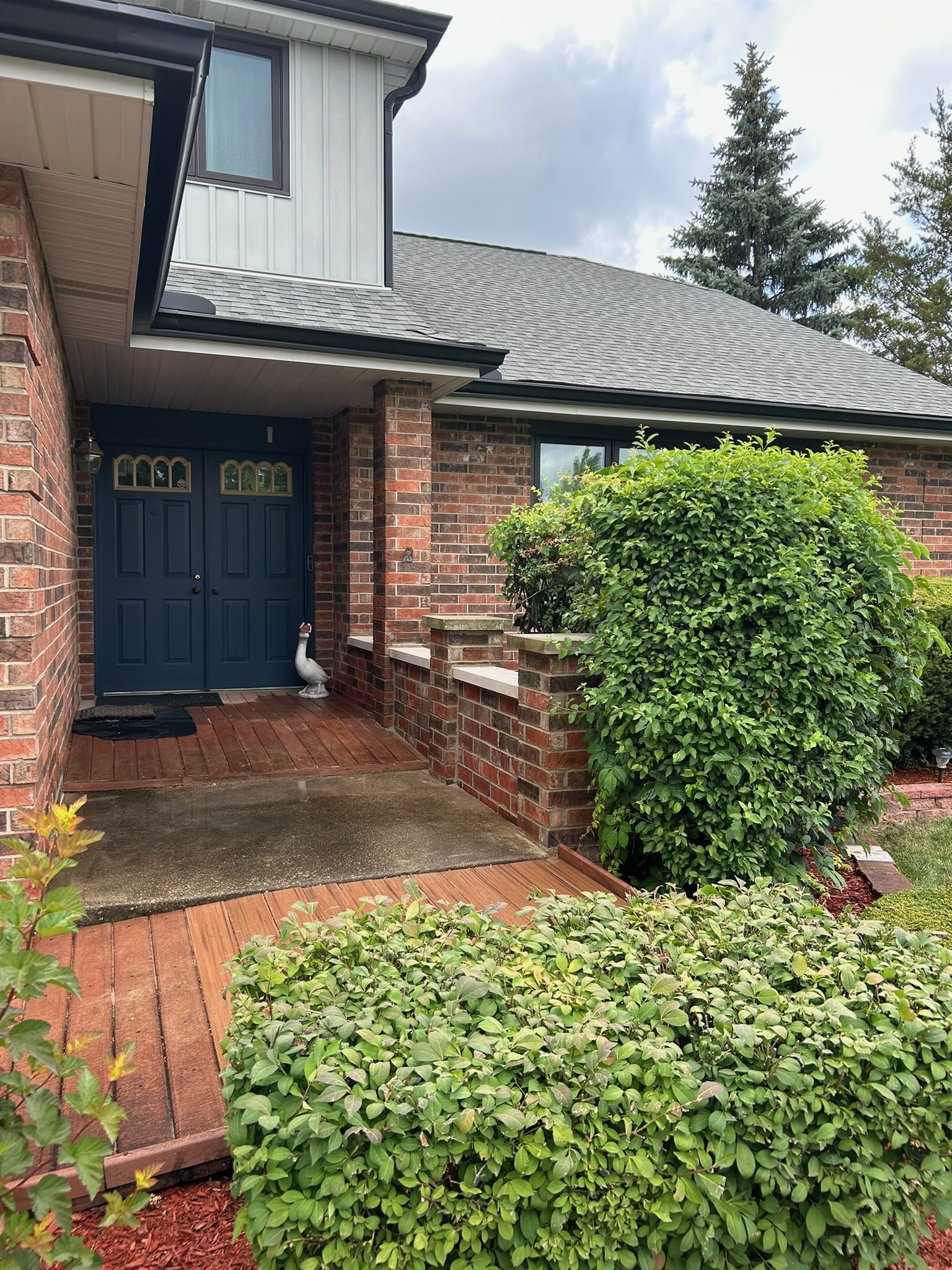
Caring for Chicago's Brick Bungalows and Greystones: A Historic Masonry Guide
Chicago's brick bungalows, greystones, and two-flats are built to last a century — but only with the right care. Learn how mortar matching, tuckpointing, and breathable waterproofing protect these historic homes from freeze-thaw damage, and when to call a specialist.
Brick Wall Rebuilding in Chicago: When Repair Isn't Enough
Not every damaged brick wall needs to come down — but some do. Here's how to tell the difference between a wall that tuckpointing can save and one that needs a full rebuild, and how Paul Lally's Masonry Inc. handles both across Chicagoland.
The Chicago Homeowner's Masonry Maintenance Checklist
Brick is low-maintenance, not no-maintenance. Here is exactly what a Chicago homeowner should look at every year — mortar joints, brick faces, the chimney, lintels, the foundation, and water management — to catch small masonry problems before they become a rebuild.
Foundation Masonry Repair in Chicago: Cracks, Settlement & Bowing Walls
Crumbling foundation brick, open mortar joints, step cracks, and water seeping through the wall are masonry problems a mason fixes — while true structural movement needs an engineer. Here's how to tell the difference and what foundation masonry repair actually involves in Chicagoland.
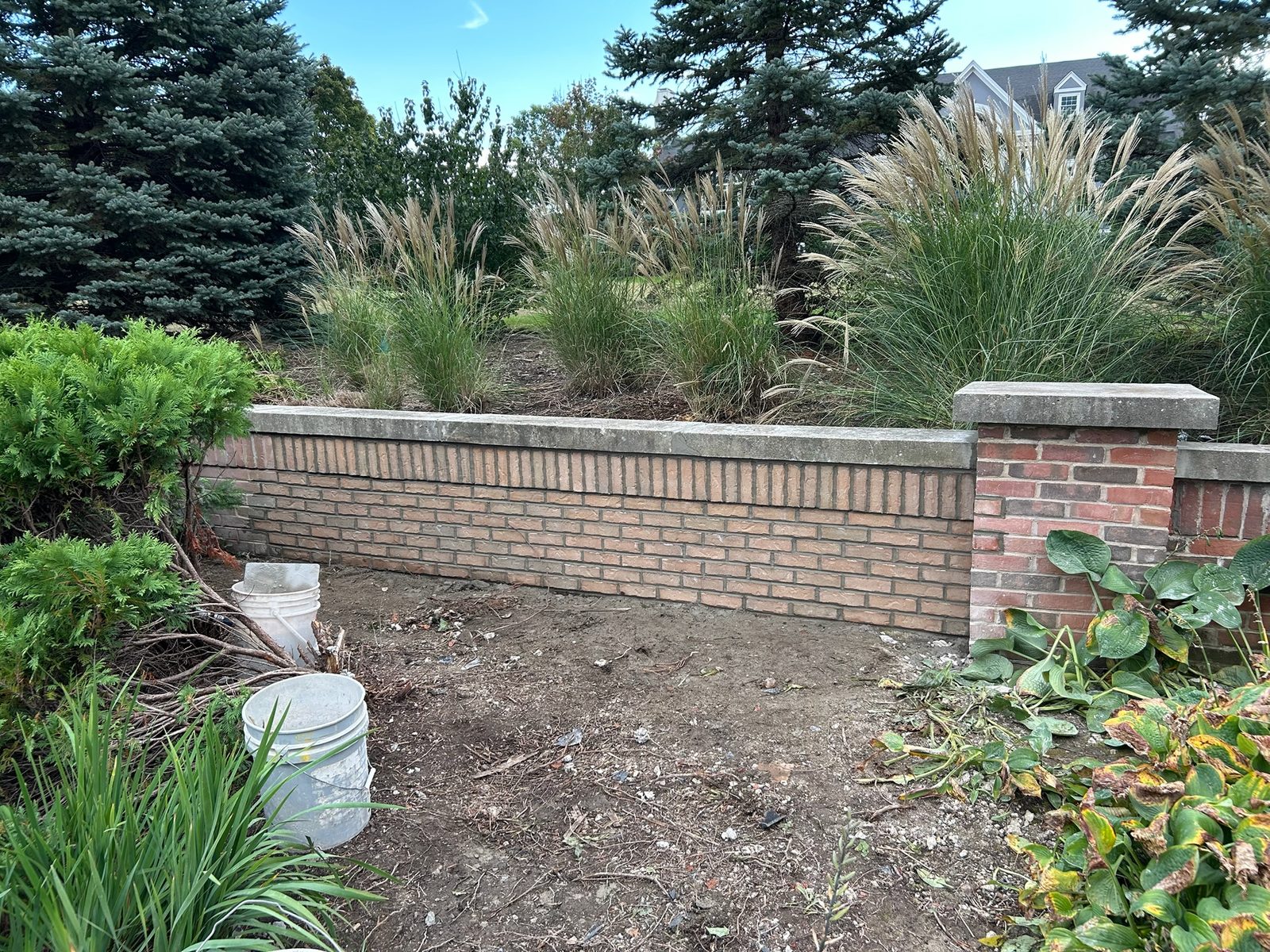
Brick Repair vs. Replacement: Which Does Your Home Need?
Some damaged brick can be repaired; some has to come out and be replaced. Here's how a mason tells the difference — the warning signs, what each fix involves, and how to decide on your Chicagoland home.
Tuckpointing vs. Repointing: What's the Difference?
Homeowners use 'tuckpointing' and 'repointing' to mean the same thing, but they aren't technically identical. Here's what each term really means, how to know which one your Chicago-area brick needs, and why the mortar matters more than the name.
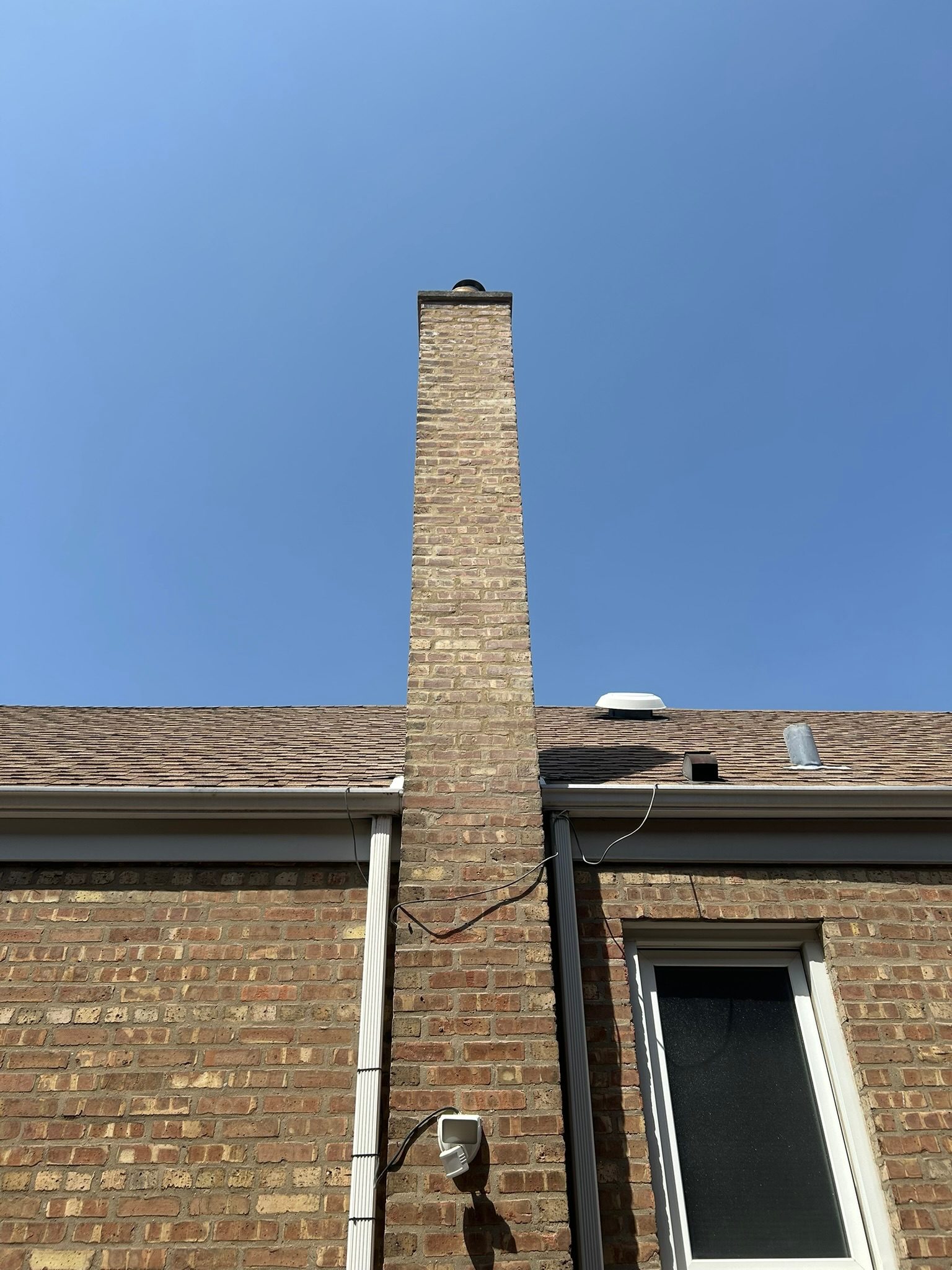
Signs Your Chimney Needs Repair: A Chicago Homeowner's Guide
A cracked crown, white staining, spalling brick, a rusted flashing line, or a lean — here is how a Chicago homeowner spots a failing chimney early, how urgent each sign is, and when to call a mason.
The Best Time of Year for Masonry Repair in Chicago
When should you schedule tuckpointing, brick repair, or a chimney rebuild in Chicago? A clear, season-by-season guide to mortar curing, freeze-thaw timing, what's possible in winter, and why booking early matters.
Parapet Wall Repair: Protecting Chicago's Flat-Roof Buildings
Why parapet walls fail first on Chicago's flat-roofed buildings, the warning signs, and how masons repair or rebuild them before water reaches the roof and the floors below.
How Long Does Tuckpointing Last in Chicago's Climate?
How long tuckpointing lasts on a Chicago-area home, what makes the difference between a 5-year patch and a 30-year repair, and how to make your mortar joints last as long as possible.
Bowing & Bulging Brick Walls in Chicago: Causes and Repair
Why brick walls bow, bulge, and lean on Chicago-area homes, how to tell a cosmetic wave from a structural emergency, and the repair options from rebuilding to re-anchoring.
How Much Does Tuckpointing Cost in Chicago? What Affects the Price
What determines tuckpointing cost on Chicago and Chicagoland homes, the factors that move the price up or down, and how to read a masonry estimate so you don't overpay.
Why Is My Brick Crumbling? Spalling Brick in Chicago Explained
Flaking, popping, crumbling brick is called spalling — and in Chicago it almost always comes down to trapped water and freeze-thaw. Here's what causes it, how to stop it, and when a brick needs replacing.
Is Masonry Waterproofing Worth It? Brick Sealing in Chicagoland
Done right, masonry waterproofing protects Chicago brick from freeze-thaw damage for years. Done wrong — the wrong sealer, or sealing over failing mortar — it traps water and accelerates spalling. Here's how to tell the difference.
Failing Lintels: Why the Brick Above Your Windows Is Cracking
If the brick above your windows or doors is cracking, sagging, or stepping apart, a rusting steel lintel is usually the culprit. Here's how lintels fail, why it's structural, and how Paul Lally's Masonry Inc. replaces them across Chicagoland.
What Causes Efflorescence on Brick — and How a Mason Removes It
Those white, chalky stains on your brick aren't dirt — they're salt left behind by water moving through the wall. Here's what efflorescence really means, how a mason removes it the right way, and why sealing over it makes things worse.
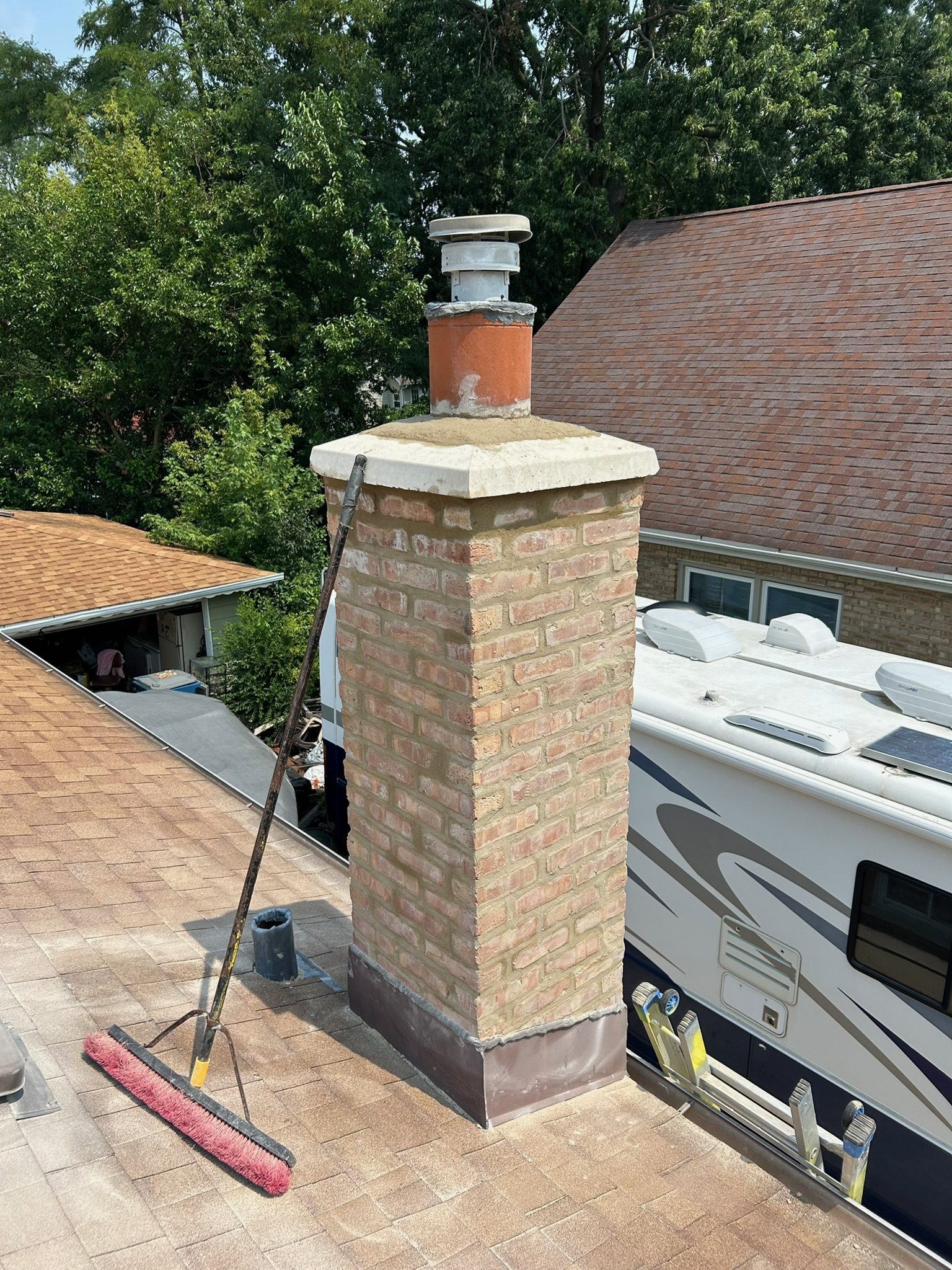
Chimney Repair vs. Rebuild: How to Know Which One You Need
When can a Chicago chimney be repaired, and when does it need a full rebuild above the roofline? A clear decision guide to the warning signs, the cost difference, and how to choose.
When Does Your Brick Actually Need Tuckpointing?
Mortar joints don't fail all at once. Here's how to tell the difference between normal weathering, minor deterioration, and joints that need immediate attention before the next Chicago winter.
5 Chimney Warning Signs Homeowners Miss
Most chimney damage starts at the top and works its way down — which means by the time you notice something from the ground, water has usually been getting in for a while. Know what to look for.
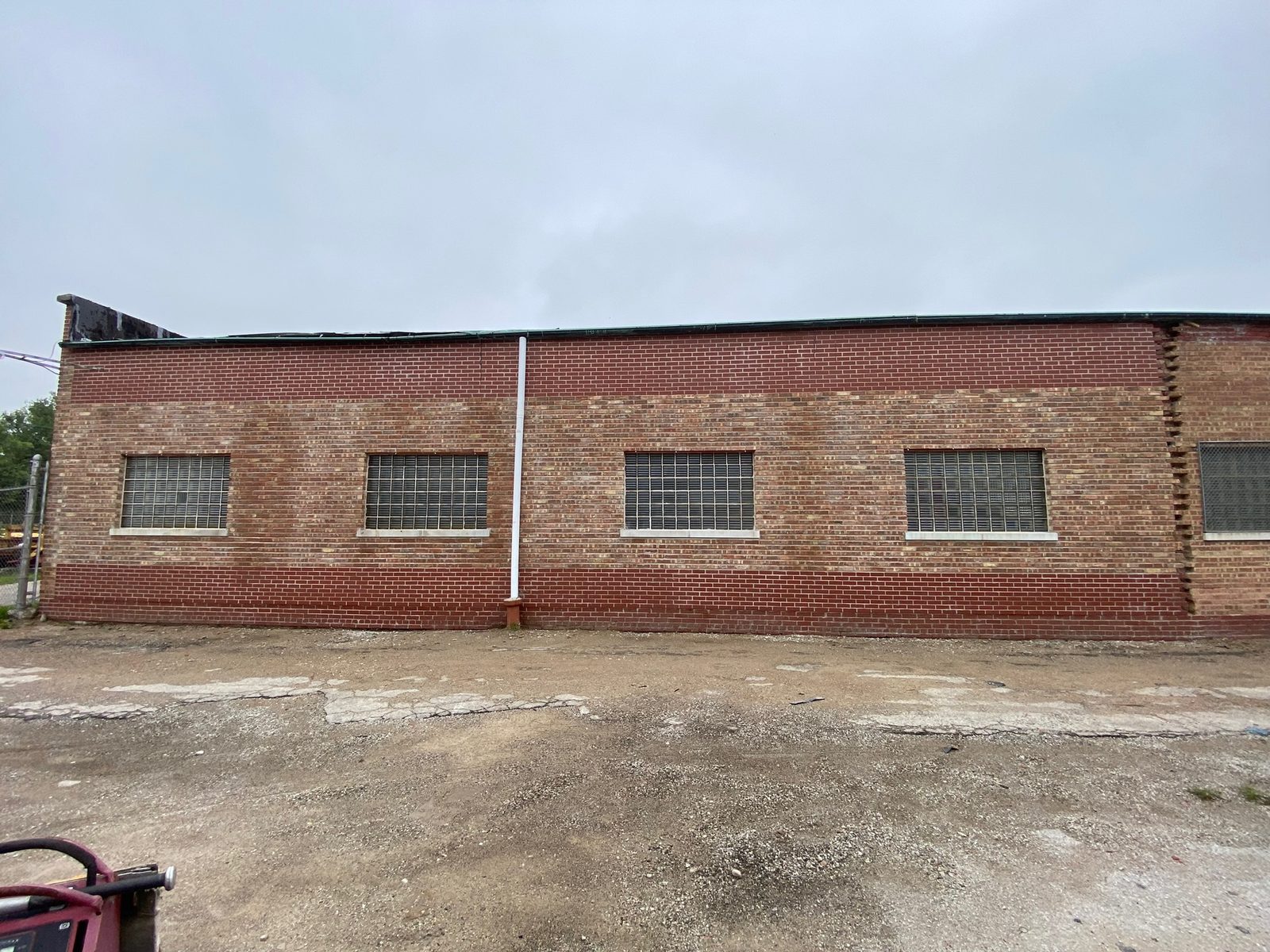
Is That Crack a Lintel Problem or a Foundation Problem?
Stair-step cracks above windows get misdiagnosed as foundation issues all the time. We break down how to tell the difference — and why it matters for the repair.
How Chicago Winters Destroy Masonry (And What Stops It)
Freeze-thaw cycling is the biggest enemy of masonry in the Midwest. Water gets in, freezes, expands, and breaks the masonry from the inside. Here's the damage sequence and how proper maintenance breaks the cycle.
What Is That White Stuff on My Brick?
Efflorescence — the white mineral staining that appears on brick — is cosmetic on the surface and a water problem underneath. Here's what causes it and how we treat it correctly.
Should You Waterproof Brick After Tuckpointing?
The short answer is yes — but only after the tuckpointing is done correctly. Sealing over failing mortar traps moisture and makes things worse. Here's the right sequence and what product to use.
Ready to Talk About Your Masonry Project? We're Here.
Get a Free Estimate