
Tuckpointing · Chicagoland, IL
Caulking vs. Tuckpointing: What Chicago Brick Homes Actually Need
Caulking and tuckpointing both seal joints on a brick home, but they are not interchangeable. Here is the difference, where each one belongs, and why caulking over failed mortar is a shortcut that traps water.
2026-07-09
Quick Answer
Tuckpointing renews the failed mortar joints between bricks; caulking seals the movement and transition joints — window and door perimeters, control joints, and where brick meets a different material — with flexible sealant. They are different repairs for different joints, and one is not a substitute for the other. Paul Lally's Masonry Inc. has handled both across Chicagoland since 1988. Free on-site estimates — call (708) 448-8866.
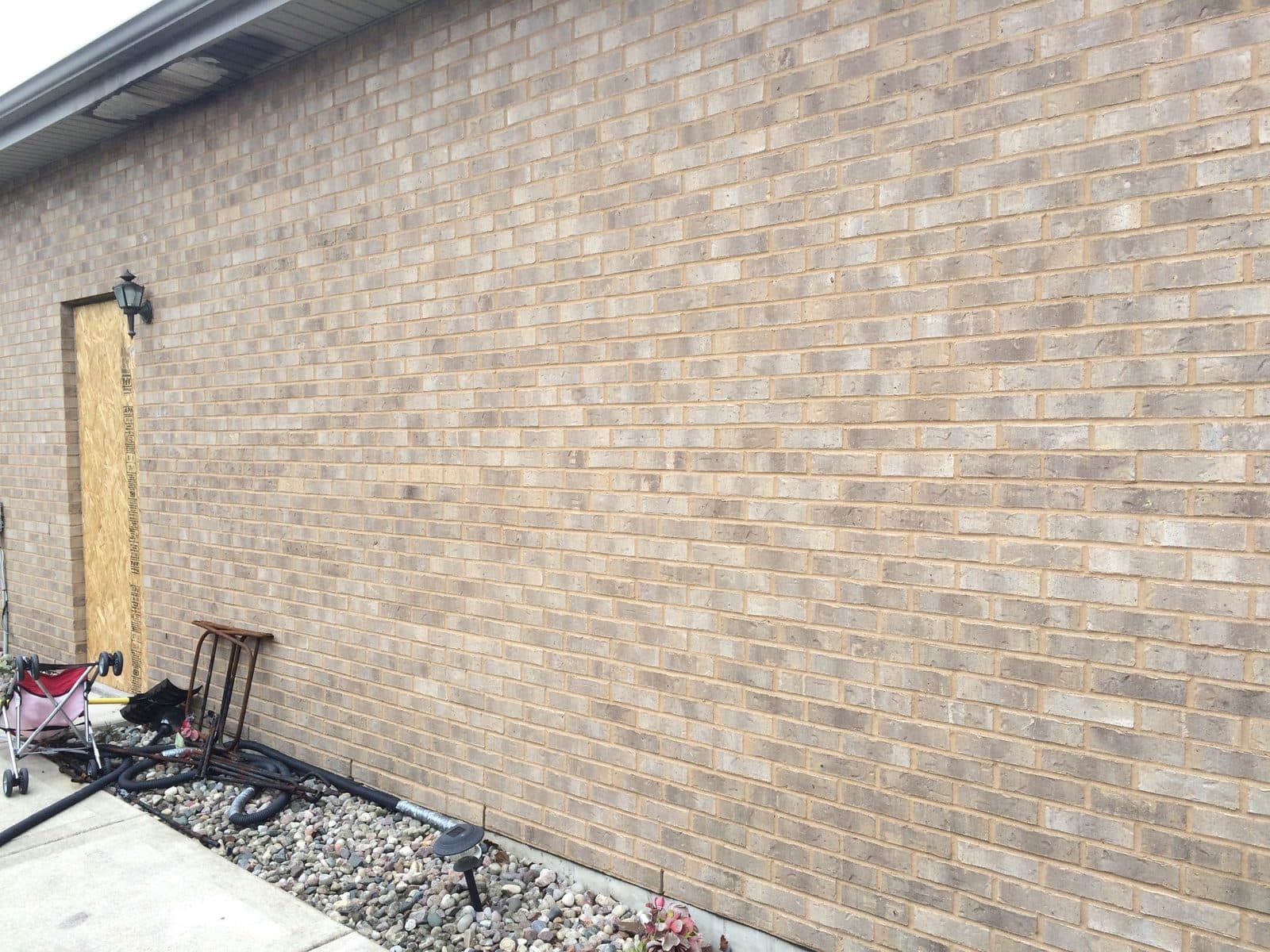
Caulking vs. tuckpointing: they seal different joints
If your brick home has open gaps letting water in, the fix depends entirely on which gap. Tuckpointing renews the failed mortar joints between the bricks. Caulking seals the movement and transition joints — window and door perimeters, control joints, and the seams where brick meets a different material — with a flexible sealant. They are two different repairs for two different kinds of joint, and one is not a substitute for the other. Paul Lally's Masonry Inc. has been sorting out which joint needs which across Chicago and the Chicagoland suburbs since 1988. Free on-site estimates: (708) 448-8866.
The confusion is understandable. Both are long, thin lines of material sealing a gap in your masonry, and from the sidewalk they can look similar. But a mason looks at a brick wall and sees at least two completely different joint systems doing two different jobs — and using the wrong material on either one causes problems that show up a year or two later as water stains, spalled brick, or peeling sealant.
What each one actually is
Mortar joints — the tuckpointing job
The horizontal (bed) and vertical (head) joints between your bricks are mortar. That mortar is meant to be rigid and to bond the masonry into a single wall. Over decades, Chicago's freeze-thaw winters, rain, and sun break that mortar down: it recedes, turns sandy, cracks, and eventually falls out, leaving open channels for water.
Tuckpointing (and its close cousin repointing) is the repair for those joints. A mason grinds or rakes out the deteriorated mortar to a sound depth, then packs in fresh mortar matched to the color, texture, and hardness of the original. Done right, it becomes part of the wall and lasts for decades. This is a mortar-to-mortar repair — you never seal these joints with caulk.
Sealant joints — the caulking job
Your brick wall also has joints that are designed to move. These are not the joints between individual bricks; they are the deliberate gaps and transitions that let the building expand, contract, and settle without cracking:
- Control and expansion joints — intentional vertical gaps in long brick runs that absorb movement.
- Window and door perimeters — the seam where the masonry opening meets the frame.
- Dissimilar-material transitions — where brick meets wood trim, metal, stone, or a foundation.
- Coping and flashing seams — at the top of walls and parapets where brick meets cap or metal.
Because these joints move, a rigid material would crack out of them almost immediately. They need caulking — a flexible urethane or silicone sealant that stretches and compresses with the joint. That is the caulking job, and it is genuinely different work from tuckpointing.
Caulking vs. tuckpointing at a glance
| Tuckpointing | Caulking | |
|---|---|---|
| What it fixes | Failed mortar joints between bricks | Moving/transition joints |
| Material | Matched Type N or Type S mortar | Flexible urethane/silicone sealant (+ backer rod) |
| Where it belongs | Bed and head joints in the brickwork | Control joints, window/door perimeters, dissimilar-material seams, coping |
| Behaves | Rigid — bonds the wall together | Flexible — moves with the joint |
| Typical lifespan | Decades when matched and installed correctly | Many years, but a renewable maintenance item |
| Wrong-place failure | Caulk in a mortar joint traps water and hides decay | Mortar in a moving joint cracks straight out |
The wrong-fix problem: caulking over failed mortar
Here is the shortcut to watch for. When mortar joints are crumbling, an occasional low-bidder will run a bead of caulk over the failed mortar instead of grinding it out and tuckpointing. It looks sealed for a season. It is not a repair — it is a cover-up.
Caulk smeared over a deteriorated mortar joint traps whatever moisture is already in the wall, bridges over the real damage so you can't see it getting worse, and peels or splits within a year or two because it was never bonded to a proper joint. Worse, it makes the eventual correct repair harder, because now the mason has to remove the caulk residue before tuckpointing.
Caulk is not a substitute for mortar. If someone offers to "just seal up" your crumbling brick joints with caulk, they are hiding the problem, not fixing it.
The same logic runs the other way: packing rigid mortar into a control joint or a window perimeter that is supposed to flex will simply crack the mortar back out within a season. Matching the material to the joint is the entire skill.
How a professional decides which joint gets which
A good mason walks the whole exterior and sorts every open joint into the right bucket:
- Is it a joint between bricks? → Mortar problem → tuckpointing/repointing.
- Is it a joint that moves (control joint, window/door perimeter, brick-to-other-material)? → Sealant problem → caulking.
- Is the brick face itself failing (spalling, cracked units)? → That is brick repair, a separate fix.
- Is water still soaking sound brick after the joints are handled? → Consider a breathable sealer — see masonry waterproofing.
On a typical older Chicago brick home, the answer is rarely "one or the other." It is usually tuckpointing on the deteriorated mortar joints and fresh sealant on the window perimeters and control joints, done in the same visit.
Materials & technique
For tuckpointing, the mason matches the mortar type to the wall — softer Type N for most residential brick and older soft brick, harder Type S where strength or below-grade exposure calls for it — and matches color and joint tooling so the repair disappears into the wall. Using too hard a mortar on soft historic brick is a classic mistake that damages the brick over time.
For caulking, the work is more than squeezing a tube. A proper sealant joint gets the old material cleaned out, the faces prepped, and backer rod — a foam cord — pressed in first so the sealant bonds only to the two joint faces and can stretch as the joint moves. A quality urethane or silicone sealant is then tooled smooth. Skipping the backer rod and prep is why so many DIY caulk lines fail in a single Chicago winter.
Step-by-step for each repair
Tuckpointing: grind/rake the failed joints to sound depth → clean out dust and debris → mix color- and type-matched mortar → pack the joints in layers → tool to match the original profile → let it cure properly.
Caulking: cut out the old sealant → clean and dry the joint faces → install backer rod to the correct depth → apply the flexible sealant → tool it smooth so it bonds to both faces and sheds water.
What drives the cost
We never publish a flat price, because every wall is different. What moves the number on either repair:
- Scope — how many linear feet of joints, and how many need attention.
- Height and access — upper stories, parapets, and tight side yards need more setup and safety equipment.
- Extent of damage — lightly receded joints versus wide-open, deep deterioration.
- Matching — sourcing mortar to match an older home's color and texture takes more effort.
- Mix of work — a job that needs tuckpointing, caulking, and some brick repair together.
The only honest number is a free on-site estimate — (708) 448-8866.
DIY vs. hiring a pro
Caulking a single window looks like a weekend job, and homeowners try it constantly. The trouble is that masonry sealant work fails without proper cutout, prep, and backer rod, and tuckpointing is genuinely specialized — the wrong mortar or a bad grind can damage the brick permanently. Getting the diagnosis wrong is the bigger risk: sealing a joint that needed mortar, or mortaring a joint that needed to flex, guarantees a callback. A mason who does this every day reads the wall correctly the first time.
Chicago & Chicagoland context
Our freeze-thaw winters are hard on every joint on the house. Water gets into a receded mortar joint or a split caulk line, freezes, expands, and pries the gap wider — then does it again the next night. Lake-effect moisture keeps walls damp longer. The region's brick bungalows, greystones, and two-flats often have both problems at once: century-old mortar joints that need tuckpointing and window/control joints where old, hardened caulk has failed. That is exactly why sorting each joint to the right repair matters here more than in milder climates.
Maintenance & prevention
- Inspect joints each spring — look for receded or sandy mortar (tuckpointing) and split, peeling, or missing sealant (caulking).
- Keep water moving away — clean gutters and downspouts so walls aren't soaked.
- Treat sealant as maintenance — plan to renew caulk joints periodically; they don't last as long as mortar.
- Fix small early — a few open joints handled now prevent water from reaching brick and freezing.
Related services
- Caulking & joint sealant — flexible sealing of window, door, and control joints.
- Tuckpointing & repointing — renewing the mortar joints between brick.
- Masonry waterproofing & sealing — breathable protection for sound brick after the joints are repaired.
- Brick repair — for spalled, cracked, or loose brick units.
The bottom line
Caulking and tuckpointing are not competing options — they are different repairs for different joints, and a sound brick home usually needs both, each in the right place. Tuckpointing renews the mortar between your bricks; caulking flexes with the joints that move. What you never want is caulk hiding failed mortar, or rigid mortar cracking out of a joint built to move.
Paul Lally's Masonry Inc. is a family-owned, insured masonry contractor serving Chicago and the Chicagoland suburbs since 1988 — tuckpointing, caulking and joint sealant, brick repair and replacement, chimney repair, masonry restoration, and waterproofing for residential and commercial properties. Built on Craftsmanship. Backed by Experience. We walk your whole exterior, match every joint to the repair it actually needs, and tell you honestly what's what. Free on-site estimates — call (708) 448-8866 or request one online.
Frequently Asked Questions
What is the difference between caulking and tuckpointing?
Tuckpointing renews the mortar joints between bricks — the mason grinds out the failed mortar and packs in fresh, matched mortar. Caulking seals a different kind of joint, the movement and transition joints like window perimeters and control joints, using a flexible sealant instead of rigid mortar. They fix different joints and are not interchangeable.
Can I just caulk my crumbling mortar joints instead of tuckpointing?
No. Caulking over failed mortar is a common shortcut that traps moisture behind the sealant and hides the real problem while it keeps spreading. The mortar bed and head joints between brick need mortar, not caulk. Paul Lally's Masonry Inc. will tell you honestly which joints need which at a free estimate.
Where does caulking actually belong on a brick house?
Caulking belongs on the joints that are designed to move: control and expansion joints, the perimeter of windows and doors, and any place brick meets a different material like wood trim, metal coping, or flashing. Those gaps expand and contract, so they need a flexible sealant, not rigid mortar.
How long does masonry caulking last compared to tuckpointing?
A quality flexible sealant on a properly prepped joint typically lasts many years but is a maintenance item that eventually needs renewing. Correct tuckpointing with matched mortar lasts far longer — often decades — because it becomes part of the wall. The exact lifespan depends on exposure, product, and prep.
What is backer rod and why does it matter?
Backer rod is a foam cord pressed into a joint before sealant so the caulk bonds only to the two joint faces, not the back. That lets the sealant stretch and compress as the joint moves. Skipping backer rod is a big reason DIY caulk joints fail early.
Does caulking replace waterproofing after tuckpointing?
No — they do different jobs. Caulking seals specific movement joints, tuckpointing renews mortar joints, and a breathable masonry sealer treats the face of sound brick to shed water. On many Chicago homes the right answer is a combination, sequenced so the masonry is repaired first.
Why do window and door joints on brick need caulk instead of mortar?
The gap where brick meets a window or door frame moves as the two materials expand and contract at different rates with temperature and moisture. Rigid mortar would crack in that gap; a flexible sealant flexes with the movement and keeps water out. That is why those perimeters are a caulking job, not a tuckpointing job.
Do you do both caulking and tuckpointing on the same job?
Often, yes. A typical older Chicago brick home needs tuckpointing on the deteriorated mortar joints and fresh sealant on the window perimeters and control joints. We assess the whole exterior and match each joint to the correct repair so water is sealed out everywhere it can get in.