
Masonry Restoration · Chicagoland, IL
Caring for Chicago's Brick Bungalows and Greystones: A Historic Masonry Guide
Chicago's brick bungalows, greystones, and two-flats are built to last a century — but only with the right care. Learn how mortar matching, tuckpointing, and breathable waterproofing protect these historic homes from freeze-thaw damage, and when to call a specialist.
2026-07-04
Quick Answer
Chicago's brick bungalows, greystones, and two-flats need mortar-matched tuckpointing, careful brick and stone repair, and breathable waterproofing to survive freeze-thaw cycles. Soft historic brick demands soft lime-based mortar, not hard Portland mixes that crack the face. Paul Lally's Masonry Inc. restores these homes across Chicagoland — serving the region since 1988. Free estimates: (708) 448-8866.
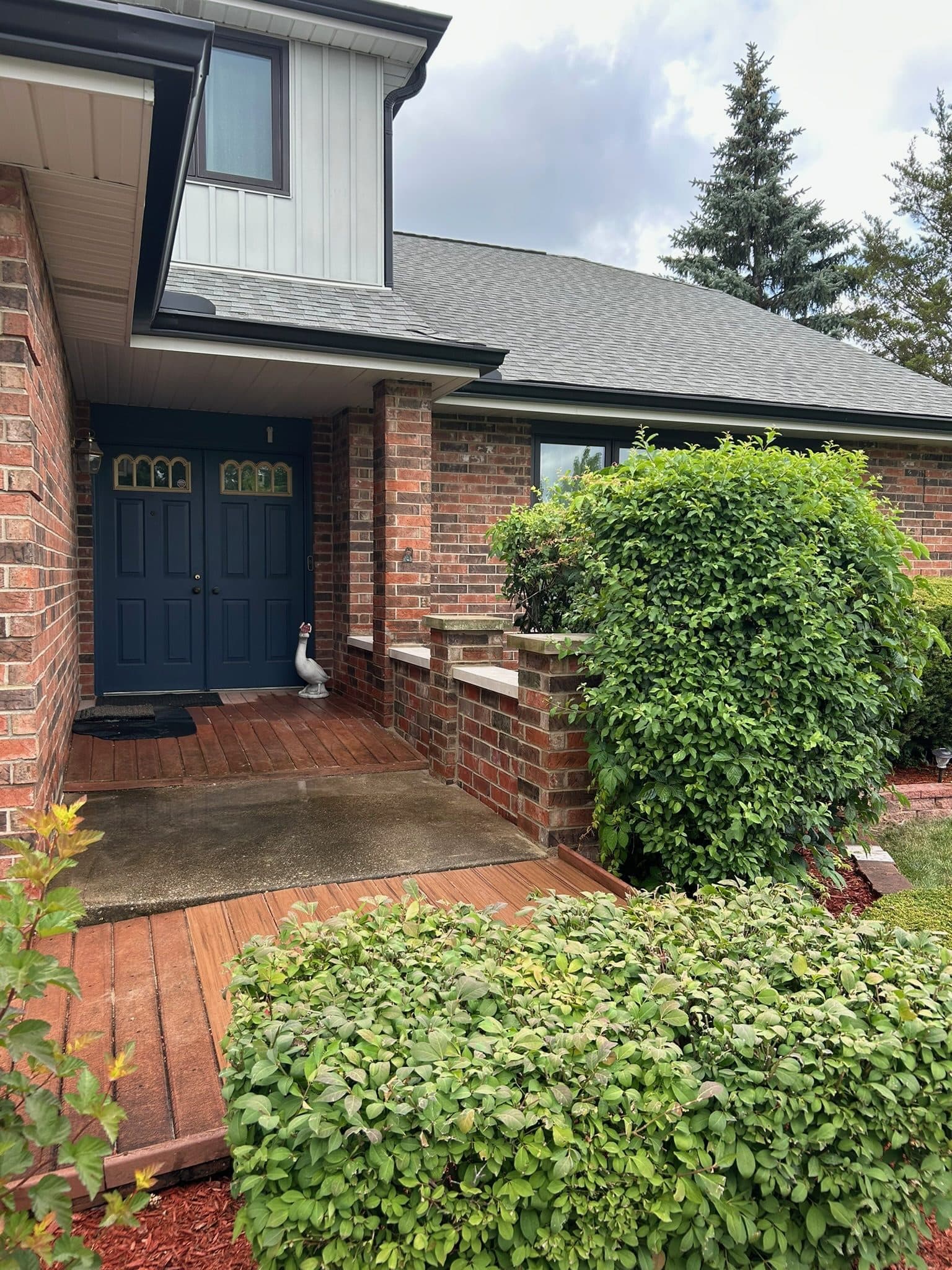
If you own a brick bungalow, a limestone greystone, or a classic two-flat anywhere in Chicagoland, the single most important thing to understand about its masonry is this: these homes were built to breathe, and they need soft, matched mortar and careful hands to keep doing it. Paul Lally's Masonry Inc. has been restoring exactly these homes across the Chicago region since 1988, and this guide walks you through what makes them special, how they fail, and how they get properly repaired. If you'd rather just have someone look at your walls, call (708) 448-8866 for a free estimate — but if you want to understand your home first, read on.
What makes Chicago's historic brick homes special
Drive through Beverly, Berwyn, Oak Lawn, or almost any older Chicago neighborhood and you're looking at one of the densest collections of early-20th-century masonry housing in the country. Three building types dominate.
- The brick bungalow. Chicago's famous "bungalow belt" — a broad arc of neighborhoods and near suburbs — holds tens of thousands of these low-slung, story-and-a-half homes built roughly between 1910 and 1940. They're defined by their masonry: full brick facades, low-pitched roofs, and decorative brickwork or limestone accents around the windows and entry.
- The greystone. Instead of brick, greystones wear a face of gray Indiana limestone, often with carved ornament, bay windows, and a raised front stoop. They're common on Chicago's older residential streets and are prized for their stonework.
- The two-flat and three-flat. These stacked masonry apartment buildings are everywhere in the city and inner suburbs, and they share the same construction logic as the bungalow — load-bearing brick walls that carry the whole building.
What ties them together is how they were built. Most were laid up with Chicago common brick — a soft, salmon-to-buff local brick — behind a display face of harder, denser face brick. Common brick is porous and relatively soft; it was never meant to be exposed to weather directly, which is why the pretty face brick faces the street. Just as important, the whole wall was bedded in lime mortar, a soft, breathable mortar that lets the wall flex slightly and lets moisture escape. Understanding that soft brick + soft mortar combination is the key to everything that follows.
How these historic homes fail
Chicago is brutal on masonry. The enemy is almost always water combined with freeze-thaw: moisture soaks into the wall, then a cold snap freezes it, it expands, and it pries the masonry apart from the inside. Do that a few dozen times a winter for a hundred years and things start to go. Here are the warning signs, in the order homeowners usually notice them.
Receding and crumbling mortar joints
The first thing to fail is the mortar, and that's by design — soft lime mortar is meant to be the sacrificial layer that wears before the brick does. When you can scrape the joints out with a house key, see shadow lines where mortar has receded below the brick face, or fit a coin into a gap, the wall is telling you it needs repointing. Left alone, open joints become highways for water straight into the wall.
Spalling brick
Spalling is when the face of a brick flakes, crumbles, or pops off entirely. It happens when water gets trapped inside a brick and freezes, or when a too-hard mortar forces stress into the soft brick instead of the joint. Once brick faces start shedding, the soft interior is exposed and deterioration speeds up. Spalling is a sign that water management has already failed somewhere.
Efflorescence
That chalky white haze on your brick isn't dirt — it's efflorescence, salt left behind as water evaporates out of the masonry. It's cosmetic on its own, but it's a flag that moisture is moving through the wall. Scrubbing it off without fixing the water path just means it comes right back.
Failing lintels and cracked openings
Steel lintels over windows and doors rust and swell over the decades, lifting and cracking the brick above them. Stair-step cracks climbing through the mortar joints near an opening, or a sagging brick course above a window, often point to a failing lintel underneath. This is where cosmetic and structural problems meet.
Chimney, parapet, and roofline wear
The most exposed masonry always goes first. Chimney crowns crack, chimney brick spalls, and flat-roof parapet walls — the low brick walls that run along the roof edge of many two-flats and city buildings — take weather from three sides. These areas are the most common source of hidden leaks and often need attention long before the rest of the facade.
Bad past repairs
Finally, a huge share of the damage we see is caused by previous work: someone repointed with a hard, gray, high-Portland mortar because it was cheap and easy. On a soft historic wall, that's a slow-motion disaster — which brings us to the single most important topic in this whole guide.
Why mortar matching matters more than anything
If you take one thing away from this article, make it this: the new mortar must be softer than the brick.
Here's the physics. A masonry wall constantly moves — it expands and contracts with heat, cold, and moisture. In a healthy wall, the soft mortar joints absorb all that movement and any trapped water finds its way out through the porous joints. That's why the joints wear and the brick survives.
Now imagine grinding out that soft lime mortar and packing the joints with modern, hard Type S mortar (high in Portland cement). The joints become harder than the brick around them. When the wall moves or freezes, the stress and moisture have nowhere to go — so they attack the brick instead. The result is spalling, cracked brick faces, and a facade that looks worse a few years after its "repair." This is the number-one reason historic Chicago homes are damaged by well-meaning contractors.
Proper mortar matching means matching four things:
- Strength — a softer, lime-rich mix such as Type N mortar or a dedicated restoration mortar for soft historic brick, never a hard Type S on a soft wall.
- Color — matching the sand and pigment so the new joints disappear into the old.
- Joint profile — matching the shape the mason tooled into the joint (concave, grapevine, struck, etc.) so it reads as original.
- Texture — matching the sand grain and finish so it doesn't stand out.
Here's the core comparison every Chicago homeowner should understand:
| Feature | Soft historic brick + lime mortar | Modern brick + Portland mortar |
|---|---|---|
| Brick hardness | Soft, porous, absorbs and releases moisture | Dense, hard, low absorption |
| Correct mortar | Lime-based, softer than brick (Type N / restoration) | Harder Type S can be appropriate |
| How the wall handles water | Breathes; moisture escapes through joints | Sheds water at the face |
| What fails first (by design) | The mortar joint (sacrificial) | Neither, if matched |
| What happens with the WRONG mortar | Hard mortar spalls and cracks the soft brick | Overly soft mortar erodes too fast |
| Right approach on your bungalow/greystone | Match soft-to-soft, always | Only on genuinely modern masonry |
The restoration process, step by step
A proper historic masonry restoration on a Chicago bungalow, greystone, or two-flat follows a consistent sequence:
- Assessment. We walk the whole facade, chimney, parapet, sills, and lintels to map what's failing and why — because the visible damage is usually a symptom of a water path somewhere else.
- Grinding and raking the joints. Deteriorated mortar is carefully ground out to the proper depth (roughly twice the joint width) without chipping the brick edges — a place where soft historic brick is easily damaged by careless grinding.
- Tuckpointing / repointing. The joints are packed with color- and strength-matched mortar in layers, then tooled to match the original brick pointing profile.
- Brick repair and replacement. Spalled or crumbling brick is replaced with salvaged or matched Chicago common and face brick so the repair blends in.
- Limestone and stone repair. On greystones and stone-trimmed bungalows, limestone is cleaned, patched with dutchman repairs or matched patching compound, and repointed with soft mortar.
- Chimney and parapet work. Crowns are rebuilt or sealed, spalled brick is replaced, and flashing points are addressed to stop roofline leaks.
- Cleaning. Efflorescence, atmospheric grime, and old coatings are removed with the gentlest effective method — never aggressive sandblasting, which strips the protective outer skin of soft brick and limestone.
- Breathable waterproofing. Where appropriate, a vapor-permeable water repellent is applied so the wall still breathes while shedding driving rain — the opposite of a sealing membrane that traps moisture.
Materials and techniques that matter
- Lime-based mortars for repointing soft brick, tuned to be softer than the surrounding masonry.
- Salvaged and matched brick — reclaimed Chicago common brick is often the only way to invisibly patch a century-old wall.
- Dutchman limestone patches for greystone and stone sills, cutting out failed stone and inlaying a matched piece.
- Breathable water repellents rather than film-forming sealers, preserving the wall's ability to dry.
- Gentle cleaning — low-pressure and appropriate chemistry, never blasting.
- Careful limestone sill repair and lintel treatment to close off the most common water-entry points.
What drives the cost of your project
Every historic home is different, so there's no honest one-size price — the right way to budget is a free on-site estimate. That said, the factors that move a project are consistent:
- Scope and extent — how much of the masonry is actually failing versus how much just needs a touch-up.
- Height and access — a single-story bungalow versus a three-story two-flat parapet changes everything about the labor.
- Scaffolding or lifts — upper walls, chimneys, and parapets may require staging that adds to a project.
- Matching difficulty — sourcing salvaged Chicago common brick or custom-tinting mortar for a picky facade takes more time.
- Structural elements — failing lintels, rebuilt chimneys, and spalled parapet walls are more involved than straightforward repointing.
Because these vary so much house to house, Paul Lally's Masonry Inc. always provides a free, no-obligation estimate rather than a phone quote. Call (708) 448-8866 or email info@paullallymason.com and we'll come look at the actual wall.
DIY versus hiring a professional
Can you point a few joints or dab some patching mortar yourself? Sure — for small cosmetic spots. But there are two places DIY on a historic Chicago home tends to go wrong:
- Mortar matching. Getting the strength, color, sand, and profile right on soft historic brick is genuinely specialized. The wrong mix doesn't just look off — a too-hard mortar actively damages the brick, as covered above.
- Sealing. The most common and most damaging DIY mistake is brushing a hardware-store brick sealer over old masonry. Non-breathable sealers trap moisture inside the wall, where it freezes and spalls the brick from behind. Historic brick needs a vapor-permeable treatment applied by someone who understands the difference.
Grinding soft brick without chipping it, sourcing salvage brick, and cleaning limestone without stripping it are all skills built over years on Chicago's specific housing stock — which is exactly the kind of work a seasoned brick mason near me search should turn up.
Maintenance and prevention
Historic masonry rewards small, steady attention:
- Keep water away. Clean gutters, extend downspouts, and grade soil away from the foundation — most masonry failure starts as a water problem.
- Inspect after hard winters. Check the chimney, parapet, sills, and the south and west walls, which take the worst weather.
- Repoint early. Address a few failing joints before water gets behind the wall; small repointing now prevents big brick repair later.
- Skip the film sealer. If you want protection, use a breathable repellent — never a glossy sealing coat.
- Watch the ornament. On greystones, keep an eye on carved limestone details and act at the first sign of sugaring or flaking.
Related services
Paul Lally's Masonry Inc. handles the full scope of historic home care:
- Tuckpointing — color- and strength-matched joint restoration.
- Masonry restoration — full-facade revival of bungalows, greystones, and two-flats.
- Brick repair — spalled brick replacement with matched Chicago common and face brick.
- Limestone & sill repair — greystone and stone-trim restoration.
- Masonry waterproofing — breathable, vapor-permeable water protection.
The bottom line
Chicago's brick bungalows, greystones, and two-flats are some of the finest masonry homes ever built for everyday families — and with the right care, they'll stand for another hundred years. The wrong care, especially hard mortar and sealing coats, can undo a century of durability in just a few winters. The difference is craftsmanship: soft-to-soft mortar, matched brick and stone, gentle cleaning, and waterproofing that lets the wall breathe.
Paul Lally's Masonry Inc. is a family-owned, insured masonry company that has been restoring Chicagoland's historic brick and stone homes since 1988 — Built on Craftsmanship. Backed by Experience. If your bungalow, greystone, or two-flat is showing receding joints, spalling brick, or that telltale white efflorescence, don't wait for the next freeze to make it worse.
Call (708) 448-8866, email info@paullallymason.com, or request your free estimate today. Based in Palos Heights and serving all of Chicagoland — we'll match your masonry so the repair looks like it was always there.
Frequently Asked Questions
Why does old Chicago brick need soft mortar instead of standard hard mortar?
Historic Chicago common brick is soft and porous, and it needs a mortar that is softer than the brick so the joints — not the brick faces — absorb movement and moisture. A hard, high-Portland mortar forced against soft brick traps water and stress, which spalls and cracks the brick face. Using a lime-based Type N or restoration mortar keeps the wall breathing and preserves the original brick.
What is the difference between tuckpointing and repointing?
Both remove deteriorated mortar and refill the joints, so the terms are often used interchangeably in Chicago. Strictly, repointing is renewing worn joints, while true tuckpointing also adds a thin contrasting fillet line for a crisp decorative look. What matters most is that old mortar is ground out to the proper depth and replaced with a color- and strength-matched mix.
How do I know if my bungalow or greystone needs tuckpointing?
Look for mortar joints you can scrape out with a key, gaps where you can see daylight or fit a coin, powdery white staining (efflorescence), or brick faces flaking off (spalling). Loose or missing mortar near the roofline, chimney, and window sills usually signals it's time. A free on-site assessment will tell you the true extent.
What causes efflorescence and spalling on Chicago brick homes?
Both come from water. Efflorescence is the white crusty residue left when moisture wicks through masonry and evaporates, carrying salts to the surface. Spalling is when trapped water freezes, expands, and pops the brick face off. Fixing the water path — through repointing, sill repair, and breathable waterproofing — is the real cure, not just cleaning the surface.
Can I tuckpoint or seal my historic brick myself?
Small cosmetic touch-ups are possible, but matching mortar color, strength, and joint profile on soft historic brick is specialized work. The bigger risk is sealing: a common non-breathable brick sealer traps moisture inside the wall and accelerates spalling from behind. Historic brick needs a vapor-permeable treatment, which is why most owners hire a mason who knows these homes.
How is greystone different from brick to restore?
Greystones are faced in Indiana limestone, so restoration focuses on cleaning, patching, and repointing stone rather than replacing brick. Limestone can be gently cleaned, dutchman-patched, or consolidated, and it must be repointed with a soft, breathable mortar. Aggressive cleaning or hard mortar damages the stone's surface permanently, so a careful hand matters even more.
What determines the cost of a masonry restoration project?
Cost depends on the scope of failing masonry, the height and access of the work, whether scaffolding or lifts are needed, how closely mortar and brick must be matched, and whether structural elements like lintels or parapets are involved. Every home is different, so Paul Lally's Masonry Inc. provides a free, no-obligation on-site estimate rather than a one-size price.
How often should Chicago brick masonry be inspected or repointed?
A quality tuckpointing job on a Chicago home typically lasts decades, but the mortar at exposed areas — chimneys, parapets, and south or west walls — wears faster. A good rule is to inspect the masonry every few years and after harsh winters, and to address small joint failures before water gets behind the wall. Early repointing is far cheaper than repairing spalled brick later.
Does Paul Lally's Masonry Inc. work on historic and landmark-area homes?
Yes. Paul Lally's Masonry Inc. has restored brick bungalows, greystones, and two-flats across Chicagoland since 1988, including in neighborhoods with older housing stock like Beverly and the surrounding suburbs. The company is family-owned, insured, and focuses on matching original materials so repairs blend in. Call (708) 448-8866 for a free estimate.