
Commercial Masonry · Chicagoland, IL
Commercial Masonry Restoration in Chicagoland: What Building Owners and Property Managers Need to Know
A practical, no-nonsense guide to commercial masonry restoration for Chicagoland building owners and property managers — what it covers, why brick and stone facades fail, the warning signs to watch, and how the restoration process actually works. Family-owned Paul Lally's Masonry Inc. has restored commercial and residential masonry across Chicagoland since 1988.
2026-07-04
Quick Answer
Commercial masonry restoration keeps Chicagoland brick buildings safe and watertight — tuckpointing, parapet and lintel repair, facade restoration, and waterproofing. Paul Lally's Masonry Inc., family-owned and serving Chicagoland since 1988, works with property managers and building owners on residential and commercial masonry — insured, with free estimates at (708) 448-8866.
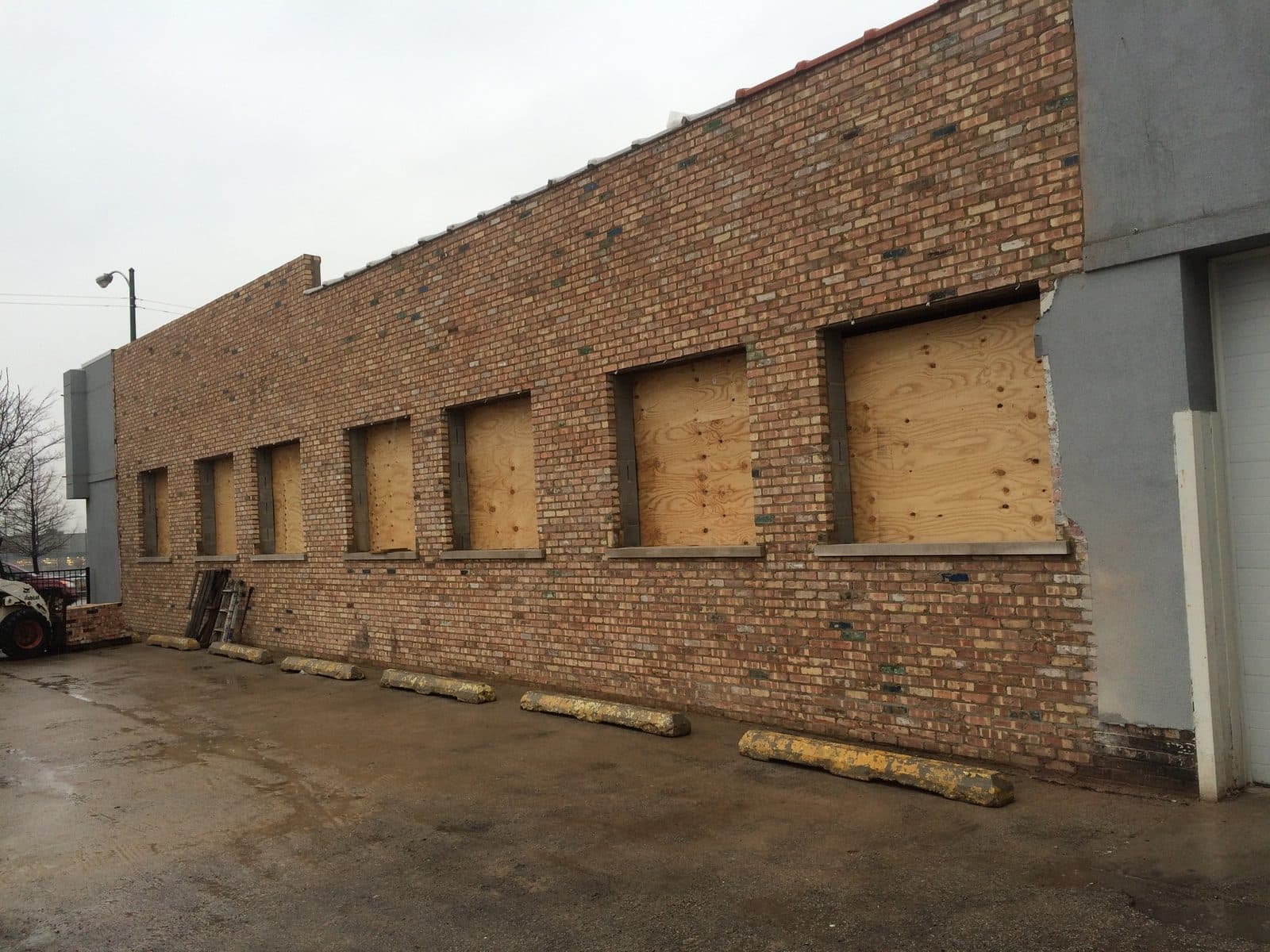
If you own or manage a commercial or multi-family building anywhere in Chicagoland, the brick and stone wrapping that building is not just a facade — it is a weather barrier, a structural element, and a liability that lives or dies on the condition of its mortar joints, parapets, lintels, and coping. Commercial masonry restoration is the work that keeps that envelope safe, watertight, and code-worthy: tuckpointing at scale, parapet wall repair, lintel replacement, facade brick and stone repair, cleaning, and waterproofing. Paul Lally's Masonry Inc. has been doing exactly this work — on both commercial and residential buildings — across the Chicago area since 1988. We are family-owned, insured, and every project starts with a free estimate. If your facade is showing its age, call (708) 448-8866.
This guide is written for the people who actually have to make the call: building owners, property managers, condo boards, and HOA members. It walks through what restoration covers, why masonry fails in our climate, the warning signs that mean it is time to act, the risks of waiting, how the work is done, and what drives the price. Built on Craftsmanship. Backed by Experience.
What Commercial Masonry Restoration Actually Covers
"Restoration" is a broad word, so let's break it into the pieces that show up on a real commercial scope of work. Depending on the building, a project may include some or all of the following.
- Commercial tuckpointing — Grinding out failed, cracked, or receding mortar and repacking the joints with fresh, matched mortar. On a large facade this is done in staged sections and is often the single biggest line item.
- Parapet wall repair — The parapet is the section of wall that rises above the roofline. Because it is exposed to weather on both faces, it is usually the first part of a building to deteriorate and frequently needs rebuilding.
- Lintel replacement — Steel lintels above windows and doors rust and expand over time, cracking the masonry around them. Replacing or repairing lintels restores support and stops the cracking.
- Facade brick and stone repair — Removing and replacing spalled, cracked, or missing brick and stone units, and rebuilding damaged wall sections while matching the existing material.
- Coping stone repair — The coping is the cap on top of a parapet or wall. Cracked, loose, or displaced coping lets water pour straight into the wall assembly.
- Masonry cleaning — Removing decades of soot, staining, biological growth, and efflorescence to reveal (and inspect) the true condition of the masonry.
- Masonry waterproofing — Applying breathable sealers and, where needed, repairing flashing so the restored wall sheds water the way it was designed to.
On most commercial jobs these services are bundled together, because a building that needs tuckpointing usually also needs attention at the parapet, coping, and lintels — the water is finding every weak point at once.
Why Commercial Masonry Fails
Nearly every masonry problem traces back to one thing: water. Brick and mortar are porous by design, and in Chicagoland's climate that porosity meets one of the most punishing enemies of masonry — the freeze-thaw cycle.
Here is the chain of events. Water enters through a failed mortar joint, a cracked coping stone, a tired sealant, or a rust-jacked lintel. When temperatures drop, that trapped water freezes and expands roughly nine percent. When it thaws, it contracts. Repeat that dozens of times each winter, over years, and the mortar crumbles, the brick face pops off (spalling), and small openings become big ones. This is freeze-thaw damage, and it is why buildings in the Midwest need masonry attention that buildings in mild climates can defer for decades.
Water is not the only factor. The common causes of commercial masonry failure include:
- Water intrusion through open joints, cracks, and failed flashing
- Failed or missing sealants at joints, penetrations, and around windows
- Deferred maintenance — small problems left unaddressed until they compound
- Differential movement — the building's structure and its masonry expand, contract, and settle at different rates, opening cracks
- Rusting steel lintels and shelf angles that expand and push masonry apart
- Original construction issues or previously poor repairs that trap water instead of shedding it
Signs Your Masonry Needs Attention
Most owners don't have time to study their walls, so here are the specific, visible warning signs. If you see any of these, it's time for a masonry inspection.
- Open or receding mortar joints — Gaps, missing chunks, or joints that have eroded back from the brick face.
- Spalling brick — Brick faces flaking, crumbling, or popping off, often leaving a rough, lighter-colored surface.
- Cracked or displaced coping — Cap stones that are cracked, tilted, loose, or have shifted out of line along the top of a wall.
- Leaning or bowing parapets — Any parapet wall that no longer stands plumb is a safety concern and needs prompt attention.
- Interior water stains at the top of walls — Ceiling and upper-wall staining on the top floor almost always traces back to parapet, coping, or flashing failure.
- Rust-stained lintels — Orange-brown streaks and cracked masonry above windows and doors point to failing steel lintels.
- Efflorescence — The white, powdery, crystalline staining on brick that proves water is moving through the wall and evaporating out.
- Step cracks and vertical cracks — Cracks that follow the mortar joints in a stair-step pattern, or run vertically through brick, signal movement and stress.
The Risks of Waiting
Deferring masonry repair is one of the most expensive decisions a building owner can make, and not only because small repairs grow into large ones.
- Falling masonry and liability — Loose brick, coping, and parapet sections can fall onto sidewalks, parking areas, and people below. For a commercial or multi-family building, that is a serious safety and liability exposure.
- Roof leaks and interior damage — Water that enters through parapets and coping travels into roof assemblies, top-floor units, and finishes, turning a masonry problem into a drywall, insulation, and mold problem.
- Structural deterioration — Left long enough, water and rust compromise lintels, shelf angles, and wall stability, moving the job from cosmetic to structural.
- Code and facade concerns — Many municipalities have facade-safety and property-maintenance expectations for commercial and taller buildings, and unsafe masonry can put an owner out of compliance and on the hook for corrective work.
- Higher eventual cost — A joint that needs repointing today becomes a rebuilt wall section tomorrow. Restoration almost always costs less when it's caught early.
The takeaway for property managers: a proactive masonry inspection and a maintenance plan are far cheaper than an emergency scaffold call after a chunk of parapet lands on the sidewalk.
The Restoration Process, Step by Step
A well-run commercial restoration follows a clear sequence. Here is how Paul Lally's Masonry Inc. approaches a typical project.
- Assessment and scope — We walk the building, document conditions at close range where possible, identify the causes (not just the symptoms), and define exactly what needs tuckpointing, rebuilding, or replacement.
- Phasing and access planning — We plan the work in stages and choose the right access — scaffolding, swing stage, or lift — so tenants, storefronts, and residents can keep operating with minimal disruption.
- Tuckpoint, rebuild, or replace — Deteriorated joints are ground out and repointed with matched mortar; damaged wall sections are rebuilt; spalled and missing brick and stone are replaced with matched units.
- Coping and flashing coordination — Coping stones are reset or replaced and flashing details are addressed (coordinated with roofing where the parapet meets the roof) so the top of the wall sheds water correctly.
- Clean and seal — The restored masonry is cleaned of staining and efflorescence, then treated with a breathable masonry waterproofing sealer where appropriate to shed future water without trapping it.
Throughout, the goal is not just to make the wall look right, but to fix the reason it failed so the repair lasts.
Materials and Techniques That Matter
Good masonry restoration is as much about the right materials as the right hands. A few things separate a lasting repair from one that fails again in a few winters.
| Element | What we consider | Why it matters |
|---|---|---|
| Mortar type | Type N or Type S selected to match the wall | Mortar that is too hard can crack softer historic brick; matching strength and composition protects the masonry |
| Mortar color and joint profile | Matched color, tooling, and joint shape | A proper match makes new work disappear and sheds water correctly |
| Brick and stone | Matched size, color, and texture | Replacement units should blend in and perform like the originals |
| Sealers | Breathable, masonry-appropriate waterproofing | The wall must shed water while still letting trapped vapor escape |
| Access method | Scaffolding vs. swing stage vs. lift | The right access keeps crews safe, productive, and out of tenants' way |
Mortar matching deserves special mention. Old Chicago masonry was often built with softer mortar; packing modern high-strength mortar into those joints can do more harm than good. Matching the mortar to the wall — in strength, color, and profile — is one of the quiet marks of an experienced mason.
What Drives the Cost of Commercial Masonry Restoration
Every building is different, so there is no honest flat price for restoration. What we can tell you is exactly which factors move the number, so there are no surprises. Cost is driven by:
- Building height and access — Taller and harder-to-reach facades require more scaffolding or lift time.
- Scope and extent — Simple repointing costs far less than rebuilding parapets, replacing lintels, and swapping out spalled brick across a large elevation.
- Scaffolding and staging — The type, amount, and duration of access equipment is a real driver on commercial jobs.
- Materials to be matched — Matching specialty brick, stone, or coping can add material and lead time.
- Deterioration discovered on site — Sometimes opening a wall reveals more than the surface showed, which we always discuss before proceeding.
Rather than guess, we come out, look at the actual building, and give you a free, no-obligation estimate with a clear scope. Call (708) 448-8866 or email info@paullallymason.com to set one up.
Why Owners, HOAs, and Property Managers Hire a Professional
Masonry restoration is not a task for a general handyman or an unvetted crew. The work happens at height, affects the building's structure and water-tightness, and carries real liability. Building owners, condo associations, and property managers choose an established professional because:
- A insured contractor protects the building and the association from liability during work at height.
- Correct diagnosis prevents repeat failures — an experienced mason fixes the cause, not just the symptom.
- Proper mortar matching, flashing coordination, and workmanship mean the repair lasts through Chicago winters.
- Phased scheduling keeps storefronts, warehouses, offices, and residents operating.
- Clear scopes and documentation give boards and management companies what they need to make decisions and budget.
Paul Lally's Masonry Inc. is a family-owned company that has served Chicagoland since 1988, and we bring that experience to storefronts along suburban main streets, warehouses, multi-family and condo buildings, and HOA-managed properties in communities like Orland Park, Tinley Park, Palos Heights, and Downers Grove.
Maintenance and Inspection Cadence
The cheapest masonry dollar is the one spent early. A simple maintenance rhythm keeps a commercial building safe and stretches the life of every repair.
- Every 3–5 years — A professional visual inspection of the full facade, parapets, coping, and lintels.
- After major storms or a hard freeze-thaw winter — A quick check for new cracks, displaced coping, or fresh staining.
- Whenever roof work is done — Coordinate a look at parapet and flashing conditions while access is already up.
- At the first sign of interior staining — Water at the top of a wall is a message; don't wait for the next rain to read it.
For older buildings and taller facades, tighten that schedule. A short annual walk-around by an owner or manager, combined with a professional inspection on the multi-year cadence above, catches most problems while they are still small.
Related Masonry Services
Commercial restoration usually pulls in several related services. Explore the specifics:
- Commercial masonry restoration
- Tuckpointing
- Parapet wall repair
- Lintel replacement
- Masonry waterproofing
Frequently Asked Questions
How do I know if my commercial building needs masonry restoration? Watch for open or receding mortar joints, spalling brick, cracked or shifted coping stones, leaning parapets, rust-stained lintels, efflorescence, and interior water stains near the tops of walls. Any of these means water is getting in, and the building should be inspected. A free assessment from Paul Lally's Masonry Inc. can confirm the scope.
What's the difference between tuckpointing and full masonry restoration? Tuckpointing removes and replaces deteriorated mortar in the joints, while full restoration can also include rebuilding wall sections, replacing brick and stone, repairing parapets and lintels, and waterproofing. On a commercial building, tuckpointing is often just one piece of a larger restoration scope.
How often should a commercial masonry facade be inspected? Plan on a professional visual inspection every three to five years, plus a check after any major storm, freeze-thaw winter, or roof work. Older and taller buildings benefit from more frequent looks. Catching problems early keeps repairs smaller and buildings safer.
Why do commercial brick walls fail in the Chicago area? The main driver is water combined with our freeze-thaw climate: moisture enters through failed joints or sealants, freezes, expands, and breaks down the masonry over repeated winters. Deferred maintenance, differential movement, and worn coping or flashing speed it up.
Can restoration be done without shutting down my building or tenants? In most cases, yes. Commercial work is typically phased and staged from scaffolding or lifts so storefronts, offices, and residents keep operating. We plan access and sequencing around the building's use and coordinate closely with property managers.
What determines the cost of a commercial masonry restoration project? Cost depends on building height and access, the extent of deterioration, the scaffolding or lift required, materials to be matched, and how much wall needs rebuilding versus simple tuckpointing. Because every building is different, we provide a free, no-obligation estimate after assessing the property.
Do you work with property managers and HOAs? Yes. We regularly work with property managers, building owners, condo associations, and HOAs across Chicagoland, providing assessments, clear scopes, and phased work plans. We're insured — which is what most associations and management companies require.
Does Paul Lally's Masonry Inc. handle both commercial and residential work? Yes. We're a family-owned company serving Chicagoland since 1988, handling both commercial and residential masonry — from storefronts, warehouses, and multi-family buildings to single-family homes.
Protect Your Building — Start With a Free Estimate
A masonry facade doesn't fail all at once. It gives you warning signs — open joints, spalling brick, a leaning parapet, a water stain on the top floor — and it rewards owners who act on them early. Whether you manage a storefront, a warehouse, a multi-family building, or an HOA-governed property, the smartest move is to get an experienced set of eyes on the masonry before small problems become expensive ones.
Paul Lally's Masonry Inc. is family-owned, insured, and we've restored commercial and residential masonry across Chicagoland since 1988. Built on Craftsmanship. Backed by Experience. Call (708) 448-8866, email info@paullallymason.com, or request a free estimate today, and we'll assess your building and give you a clear, honest scope.
Frequently Asked Questions
How do I know if my commercial building needs masonry restoration?
Watch for open or receding mortar joints, spalling (flaking) brick, cracked or shifted coping stones, leaning parapet walls, rust-stained lintels, efflorescence (white staining), and interior water stains near the tops of walls. Any of these means water is getting in and the building should be inspected. A free assessment from Paul Lally's Masonry Inc. can confirm the scope.
What is the difference between tuckpointing and full masonry restoration?
Tuckpointing removes and replaces deteriorated mortar in the joints, while full restoration can also include rebuilding sections of wall, replacing brick and stone, repairing parapets and lintels, and waterproofing. Tuckpointing is often one piece of a larger restoration scope on a commercial building.
How often should a commercial masonry facade be inspected?
A good rule of thumb is a professional visual inspection every three to five years, plus a look after any major storm, freeze-thaw winter, or roof work. Older buildings and taller facades benefit from more frequent checks. Catching small problems early keeps repairs smaller and buildings safer.
Why do commercial brick walls fail in the Chicago area?
The main culprit is water combined with our freeze-thaw climate — moisture enters through failed mortar joints or sealants, freezes, expands, and breaks down the masonry over repeated winters. Deferred maintenance, differential building movement, and worn coping or flashing accelerate the damage.
Can masonry restoration be done without shutting down my building or tenants?
In most cases, yes. Commercial work is typically phased and staged from scaffolding or lifts so storefronts, offices, and residents can keep operating. We plan access and sequencing around the building's use and coordinate with property managers to minimize disruption.
What determines the cost of a commercial masonry restoration project?
Cost is driven by factors like building height and access, the extent of deterioration, the type of scaffolding or lift required, materials to be matched, and how much wall needs rebuilding versus simple tuckpointing. Because every building is different, Paul Lally's Masonry Inc. provides a free, no-obligation estimate after assessing the property.
Do you work with property managers and HOAs?
Yes. We regularly work with property managers, building owners, condo associations, and HOAs across Chicagoland, providing assessments, clear scopes, and phased work plans. We're insured, which is what most associations and management companies require.
Does Paul Lally's Masonry Inc. handle both commercial and residential work?
Yes. Paul Lally's Masonry Inc. is a family-owned company serving Chicagoland since 1988, handling both commercial and residential masonry — from storefronts, warehouses, and multi-family buildings to single-family homes. Call (708) 448-8866 for a free estimate.