
Waterproofing · Chicagoland, IL
Do I Need to Seal My Brick After Tuckpointing? A Chicago Guide
Fresh tuckpointing restores the real water barrier, so sealing is optional — not mandatory. Here's when sealing brick after tuckpointing actually helps in the Chicago area, when it's a waste, and why the wrong sealer can ruin your brick.
2026-07-09
Quick Answer
You usually do not need to seal brick after tuckpointing — fresh mortar joints restore the primary water barrier on their own. Sealing is optional and worth it mainly on highly exposed, soft, or absorbent brick, using only a breathable penetrating sealer. Never use a film-forming coating, which traps moisture and spalls brick, and never treat sealing as a substitute for fixing failed joints first. Paul Lally's Masonry Inc. has tuckpointed and sealed Chicagoland brick since 1988 — free on-site estimates at (708) 448-8866.
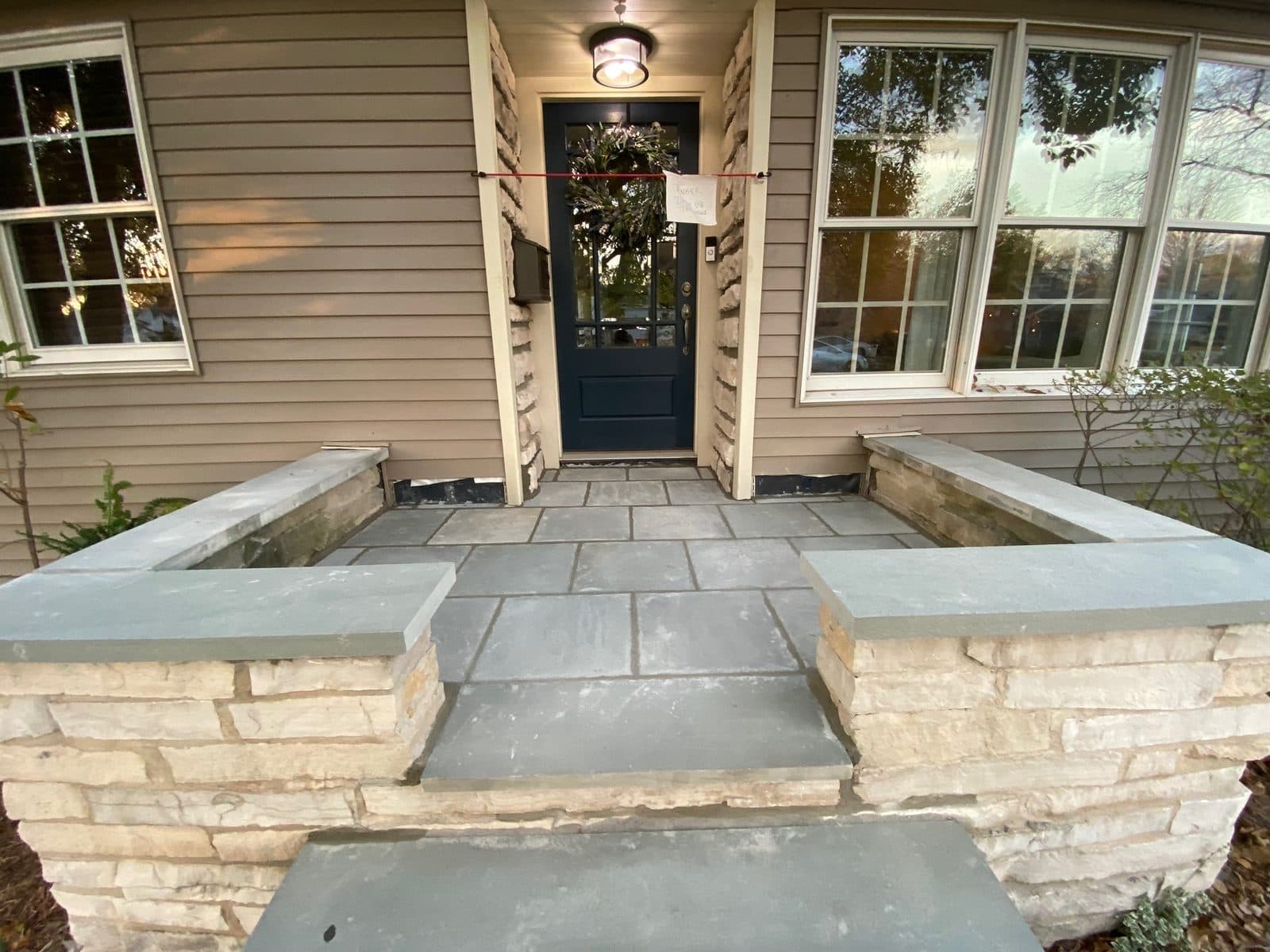
If you just had your brick tuckpointed, you may be wondering whether you now need to seal it. The short answer: usually not. Fresh tuckpointing rebuilds the very thing that keeps water out of a brick wall — sound mortar joints — so in most cases sealing is optional, not mandatory. Sealing earns its keep only in specific situations, and only with the right product. Paul Lally's Masonry Inc. has been tuckpointing and, where it helps, sealing brick across Chicago and the Chicagoland suburbs since 1988. Built on Craftsmanship. Backed by Experience. Free on-site estimates — call (708) 448-8866.
This guide walks you through what actually keeps a wall dry, when sealing after tuckpointing is worth it, when it's a waste of money, and the one distinction — breathable versus film-forming — that separates a smart sealer job from one that quietly wrecks your brick.
Does tuckpointing waterproof brick on its own?
To a large degree, yes. On a brick wall, the mortar joints are the primary water barrier, not the brick faces. Brick is fired clay; a little water soaks into the face of sound brick and then evaporates back out when the weather dries. The joints between the bricks are where water gets behind the wall — and once those joints crumble, recede, or open up, water pours into the wall assembly instead of shedding off it.
That's exactly what tuckpointing fixes. When we grind out failed mortar and pack in fresh, correctly matched mortar, we're rebuilding the wall's water barrier from the joints out. A properly tuckpointed wall sheds water the way it did when it was new. So the honest answer a lot of homeowners don't hear is this:
Fresh tuckpointing is the waterproofing. A sealer on top is an optional extra layer — helpful on some walls, unnecessary on most.
That's why any contractor who tells you sealing is required right after tuckpointing — or worse, tries to sell a heavy "waterproof coating" as the main event — is worth a second look.
When sealing after tuckpointing IS worth it
Sealing isn't snake oil. On the right wall, a good penetrating sealer buys extra resistance to wind-driven rain and Chicago's brutal freeze-thaw cycles. It's genuinely worth considering when:
- The brick is highly exposed. A west- or south-facing elevation that takes years of driving rain and sun, or a wall with no overhang protecting it, benefits from the extra water repellency.
- The brick is soft, old, or absorbent. Many century-old Chicago bungalows, greystones, and two-flats were built with softer brick that drinks up water. On absorbent masonry, a breathable sealer meaningfully slows absorption.
- You've had past water intrusion. If you've fought efflorescence (that white chalky staining), damp interior walls, or spalling, reducing how much water the wall takes on helps — after the underlying repairs are done.
- It's a chimney or parapet. These take weather on multiple sides and from the top, so they're the most exposed masonry on the building and the best candidates for sealing after repair.
On a protected, well-built wall with hard modern brick and deep overhangs, sealing after tuckpointing is often unnecessary. We'll tell you honestly which camp your wall is in.
The one distinction that matters: breathable vs. film-forming
If you seal, what you put on the wall matters more than whether you seal at all. There are two very different categories of product, and confusing them is how good brick gets ruined.
| Breathable penetrating sealer (right) | Film-forming coating / sealer / paint (wrong) | |
|---|---|---|
| How it works | Soaks into the masonry; lines the pores so water beads and runs off | Forms a surface skin on top of the brick |
| Water vapor | Lets the wall breathe — moisture inside can still escape | Traps moisture that gets behind it |
| Appearance | Invisible; brick looks unchanged | Often glossy or plasticky; changes the look |
| Freeze-thaw effect | Reduces water uptake, lowers freeze-thaw damage | Trapped water freezes behind the film → spalling |
| Typical chemistry | Silane / siloxane water repellents | Acrylics, elastomerics, many "waterproofing paints" |
The problem with film-forming products is simple building science. Brick walls always carry some moisture — from humidity inside the house, from ground moisture, from any water that gets in. That moisture needs to escape to the outside as vapor. A film-forming coating seals it in. When that trapped water freezes in a Chicago winter, it expands and pops the face off the brick. That's spalling, and it's often caused by the very coating that was supposed to "waterproof" the wall.
The right sealer is one you can't see and the wall can still breathe through. If a product makes your brick shiny or feels like paint, it's the wrong product.
We only use breathable penetrating water repellents, and only where they help.
What sealing does NOT fix
Sealing is a finishing touch, not a repair. It's important to be clear about what a sealer can't do, because sealing over an unaddressed problem just hides it while the damage continues:
- It won't fix failed mortar joints. Only tuckpointing does that. Sealing crumbling joints traps the problem.
- It won't close cracks. Step cracks, vertical cracks, and gaps need masonry repair, not a coating.
- It won't fix bad flashing or a cracked chimney crown. Those are separate water paths a sealer can't reach.
- It won't cure rising damp or a foundation water issue. Those are drainage and foundation problems.
This is why order of operations is everything: repair first, cure, then (optionally) seal. A sealer applied over sound, freshly tuckpointed brick is a bonus. A sealer applied over failing masonry is a cover-up.
The right sequence, step by step
Here's how a professional handles brick that's a candidate for sealing after tuckpointing:
- Repair the masonry first. Tuckpoint failed joints, replace spalled brick, address the chimney crown, cap, and flashing — whatever the wall actually needs.
- Let the new mortar cure. Fresh mortar needs time to fully cure before any sealer goes on, or you seal in moisture and interfere with curing. This is why sealing is a separate, later step — not same-day.
- Clean the surface. The masonry must be clean and dry. Efflorescence, dirt, and old coatings are removed so the sealer can penetrate.
- Apply a breathable penetrating sealer. A silane/siloxane water repellent is applied evenly, saturating the masonry so it soaks in rather than sitting on top.
- Let it dry and cure. The repellent needs dry weather to set properly.
Rushing any of these — especially sealing before the mortar has cured — does more harm than good.
Materials and technique
The materials that matter here are the mortar used in the tuckpointing (matched to your brick's hardness and color — softer historic brick needs a softer, often lime-based mortar, while modern brick uses Type N or Type S) and the sealer chemistry (breathable silane/siloxane, never a film-forming acrylic or elastomeric). Getting the mortar right is what makes the tuckpointing last; getting the sealer right is what makes sure the "extra protection" doesn't backfire. Neither is a place for guesswork or big-box shortcuts.
How often do you reapply?
Penetrating water repellents aren't permanent. Depending on exposure, sun, and the product, a breathable sealer generally needs reapplication periodically over the years as its water repellency gradually wears. There's no need to reseal on a rigid schedule — a simple test is to splash water on the wall: if it beads and runs off, the repellent is still working; if the brick darkens and drinks it in, it's time to consider reapplying. Your mortar joints, meanwhile, should last far longer — good tuckpointing is measured in decades.
What drives the cost
As with all masonry, there's no flat rate, and we never publish prices online because every wall is different. What moves the number on a seal-after-tuckpointing job:
- Square footage and number of elevations being treated.
- Height and access — upper stories, chimneys, and parapets need more setup and safety equipment.
- Surface prep — how much cleaning or efflorescence removal the masonry needs first.
- Product — a quality breathable repellent costs more than a hardware-store coating, and it's worth it.
The only accurate figure is a free on-site estimate, where we look at your actual brick and tell you honestly whether sealing is even worth doing. Call (708) 448-8866.
DIY vs. hiring a pro
The temptation to grab a jug of "waterproofer" and a garden sprayer is real, and it's exactly how a lot of Chicago brick gets damaged. The two big DIY risks:
- Choosing the wrong product. The shelves are full of film-forming "waterproofing" paints and coatings that trap moisture and cause spalling. A homeowner has no easy way to tell breathable from film-forming from the label alone.
- Sealing over problems. Applying sealer to joints that actually need tuckpointing, or before new mortar has cured, locks in damage.
A professional gets the sequence, the product, and the prep right — and, just as important, will tell you when you don't need to seal at all. That honesty is part of the job.
Chicago and Chicagoland context
Our region is hard on brick. Freeze-thaw cycles run all winter: water soaks into masonry, freezes, expands, and works joints and brick faces apart, then thaws and does it again. Add lake-effect moisture and wind-driven rain off Lake Michigan, and exposed elevations take a beating. That's the case for sealing the most exposed walls — but it's also exactly why a film-forming coating is so dangerous here. In a milder climate, trapped moisture might just sit; in a Chicago winter, it freezes and spalls the brick. On the older housing stock across Cook, DuPage, and Will Counties — the bungalows, greystones, and two-flats built with softer historic brick — that means: repair the joints properly, and if you seal, seal breathable.
Related services
- Masonry waterproofing and breathable sealing — the right product, applied the right way, only where it helps.
- Tuckpointing and repointing — the repair that restores the real water barrier, done first.
- Chimney repair and rebuilds — the most exposed masonry, and a prime candidate for sealing after repair.
- Brick repair and replacement — for brick that's already spalled or cracked.
The bottom line
Sealing brick after tuckpointing is an option, not an obligation. The tuckpointing itself does the heavy lifting; a breathable penetrating sealer is a smart extra layer on exposed, soft, or absorbent walls — and a genuinely bad idea if it's a film-forming coating or a substitute for real repair. Paul Lally's Masonry Inc. is a family-owned, insured masonry contractor serving Chicago and the Chicagoland suburbs since 1988 — tuckpointing, brick repair and replacement, chimney repair, masonry restoration, and breathable waterproofing done in the right order. We'll tell you honestly whether your wall needs sealing at all. Built on Craftsmanship. Backed by Experience. For a free on-site estimate, call (708) 448-8866 or request one here.
Frequently Asked Questions
Do I need to seal my brick after tuckpointing?
Usually no. Fresh tuckpointing restores the mortar joints, which are the wall's primary water barrier, so sealing is optional. It's worth considering on highly exposed, soft, or absorbent brick, or on chimneys and parapets — and only with a breathable penetrating sealer.
Does tuckpointing waterproof brick?
To a large degree, yes. Because water gets into a wall mainly through failed mortar joints, repacking those joints with sound, matched mortar restores the wall's ability to shed water. A sealer on top is an optional extra, not a replacement for good tuckpointing.
How long should I wait to seal after tuckpointing?
Wait until the new mortar has fully cured. Sealing too soon traps moisture and interferes with curing, so sealing is always a separate, later step — never the same day as the tuckpointing.
What kind of sealer should I use on brick?
Only a breathable penetrating water repellent — typically a silane or siloxane product that soaks in and lets the wall breathe. Avoid film-forming coatings, waterproofing paints, and anything that leaves a glossy skin, because they trap moisture and cause spalling.
Can sealing brick cause damage?
Yes, if you use the wrong product. Film-forming coatings trap moisture inside the wall; when that water freezes in winter, it expands and pops the face off the brick (spalling). A breathable penetrating sealer avoids this because vapor can still escape.
Will sealing stop efflorescence?
It can reduce it by limiting how much water moves through the masonry, but only after the source of the moisture and any failed joints are addressed. Sealing over an active water problem hides efflorescence without solving it.
How often do I need to reseal my brick?
Penetrating sealers wear over time and need periodic reapplication depending on exposure. A quick water test tells you: if water still beads and runs off, the repellent is working; if the brick darkens and absorbs it, it's time to reapply.
Is it worth sealing a chimney after tuckpointing?
Often yes. A chimney is the most exposed masonry on the house — hit by weather on all sides and from the top — so after the crown, flashing, and joints are repaired, a breathable sealer adds worthwhile protection against Chicago freeze-thaw.