
Tuckpointing · Chicagoland, IL
How Much Does Tuckpointing Cost in Chicago? What Affects the Price
What determines tuckpointing cost on Chicago and Chicagoland homes, the factors that move the price up or down, and how to read a masonry estimate so you don't overpay.
2026-06-22
Quick Answer
Tuckpointing cost in the Chicago area depends on the wall — its height and access, how far the mortar has deteriorated, and how precisely the mortar must be color-matched — so there is no flat rate. The only accurate number is a free on-site estimate. Paul Lally's Masonry Inc. has tuckpointed Chicagoland brick since 1988 and gives free written estimates — call (708) 448-8866.
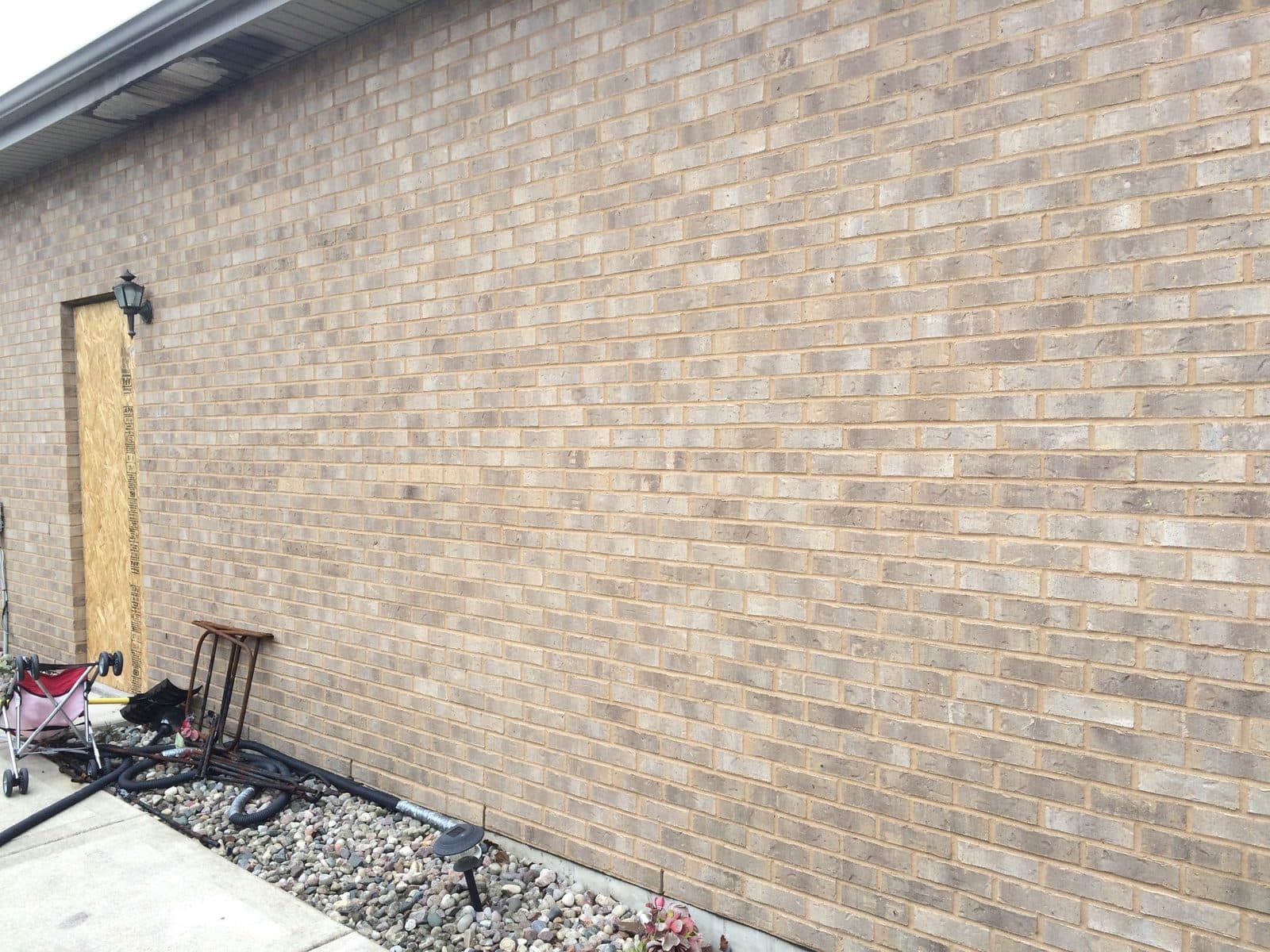
If you own a brick home anywhere in Chicago or the suburbs, you will eventually ask the same question: how much does tuckpointing cost? It's a fair question with a frustrating answer — because the honest number depends on your specific wall. This guide gives you real ranges, explains every factor that moves the price, and shows you how to read a masonry estimate so you can tell a quality bid from a cut-rate one.
Quick version: there is no flat rate for tuckpointing — the cost is set by your specific wall, not a price list. What moves the price is the height and access of the work, how far the mortar has deteriorated, and how closely the mortar must be matched. The rest of this article explains each factor so you can understand your estimate and tell a quality bid from a cut-rate one. The only way to get an accurate number is a free on-site look — Paul Lally's Masonry Inc. has been tuckpointing Chicagoland brick since 1988, and we give free written estimates.
What tuckpointing is (and what you're paying for)
Tuckpointing — closely related to repointing — is the process of removing failed, crumbling mortar from between your bricks and replacing it with fresh mortar. You are not paying for new brick. You're paying to renew the mortar joints that hold the wall together and keep water out.
That distinction matters for cost. The brick on a well-built Chicago home can last a century or more. The mortar joints don't — they're the sacrificial, weather-facing part of the wall, and in Chicago's freeze-thaw climate they slowly erode, crack, and recede. Tuckpointing is routine maintenance that protects an expensive asset (your brick) for a fraction of what replacing that brick would cost.
When mortar is done right, the mason grinds or rakes the old joint out to a proper depth (typically about twice the joint width), cleans it, and packs in new mortar that's matched in color, texture, and hardness to the original. The result should look like the wall was always that way — not a gray smear over old joints.
What determines your tuckpointing cost
There's no flat rate, and any honest mason will tell you the same — the cost is set by your specific wall, not a price list. Here's what pushes a tuckpointing job toward the lower end versus the higher end:
| Factor | Pushes cost lower | Pushes cost higher |
|---|---|---|
| Height & access | Ground floor, ladder-accessible | Second/third story, chimney, parapet (needs scaffolding) |
| Extent of damage | Hairline joint wear on one elevation | Widespread crumbling across multiple walls |
| Mortar matching | Standard color on newer brick | Custom matching on older bungalow/greystone brick |
| Scope | A single elevation or spot repair | Full-house, all elevations |
| Prior bad work | Sound original joints | Previous "caulk-over" that must be removed first |
Why does this matter so much? Because "tuckpointing" on a single-story ranch with easy access is a completely different job than tuckpointing a three-story greystone two-flat with parapet walls and a deteriorated chimney above the roofline. That's why no one can honestly quote your home over the phone — and why understanding these factors before you get an estimate is worth your time.
What drives the price up or down
1. Height and access
This is usually the single biggest cost driver. Ground-floor walls can be reached from ladders. The moment work moves to second and third stories, chimneys, or parapet walls, you need scaffolding or a lift — and that means setup time, equipment, and added labor before a single joint gets ground out. A chimney that's easy to reach costs far less to tuckpoint than the same chimney on a steep, tall roof.
2. Extent of mortar deterioration
A wall with hairline joint erosion needs less grinding than a wall where mortar is crumbling, receding, or missing. The deeper and more widespread the failure, the more grinding, cleaning, and mortar packing the job requires.
3. Mortar matching difficulty
On newer brick, a standard Type N mortar in a common color is straightforward. On older Chicago bungalows, greystones, and century-old brick homes, matching the original mortar's color, sand, texture, and joint profile takes skill and sometimes custom mixing. Good matching costs more — and it's the difference between a clean restoration and an obvious patch.
4. Joint condition and prep
Walls that have been previously "caulked over" or skim-coated by a cheaper contractor often cost more to fix properly, because that failed material has to be removed before real tuckpointing can happen.
5. Wall size and how much you do at once
More square footage costs more in total, but the per-square-foot rate often drops on larger jobs because setup is spread across more work. Phasing — doing the worst elevations first — controls the cash outlay but can cost slightly more over time.
6. Add-on repairs discovered along the way
Once a mason is up close, it's common to find spalling brick, a few cracked or loose bricks, a failing lintel over a window, or open joints around the chimney crown. Bundling these with tuckpointing is usually cheaper than calling someone back later.
How to read a tuckpointing estimate (so you don't overpay)
A suspiciously low tuckpointing bid is the most expensive mistake in masonry. Here's what a real estimate should spell out:
- Grinding to depth — not "tuckpointing" as a vague line item. The estimate should say the old joints will be ground/raked out, not smeared over.
- Mortar type and matching — Type N vs. Type S mortar, and a commitment to match color and profile.
- Scope by elevation — which walls, which stories, and the chimney called out separately.
- Scaffolding/access — included or extra.
- Cleanup and protection of landscaping and windows.
Paul Lally's Masonry Inc. is a family-owned, insured masonry contractor serving Chicago and the Chicagoland suburbs since 1988 — tuckpointing, brick repair and replacement, chimney repair and rebuilds, lintel replacement, masonry restoration, and waterproofing for residential and commercial properties. Built on Craftsmanship. Backed by Experience. Free on-site estimates — call (708) 448-8866.
Tuckpointing vs. repointing — does the difference change the price?
You'll hear both words, sometimes for the same job, and the confusion can make quotes hard to compare. Repointing is the technical term for removing failed mortar and refilling the joint. Tuckpointing historically describes a decorative two-tone joint technique — but in everyday Chicagoland usage the two words are used interchangeably for the same repair. What matters for your wall and your wallet isn't the label; it's whether the old mortar is ground out to depth and replaced with properly matched mortar, or merely smeared over. Hold every contractor to the grinding standard regardless of which word they use. The cost is driven by grinding depth, mortar matching, and access — not by whether the line item says "tuckpointing" or "repointing."
Does the time of year change the cost?
In Chicago, the season matters — indirectly but really. Mortar needs above-freezing temperatures to cure correctly, so a quality mason won't tuckpoint in hard cold without heated enclosures, and those enclosures add cost. The busy season runs spring through fall, and late-season calendars fill up fast. Getting your estimate done in late winter or early spring usually means better scheduling and avoids the peak-season crunch. Just as important, sealing failing joints before another freeze-thaw winter keeps the problem in the cheap "just mortar" category instead of letting water push it toward spalled brick and bigger bills.
Can you phase the work to spread the cost?
Yes — and on larger homes it's the smart move. Mortar rarely fails evenly. The weather-beaten south and west elevations and the chimney almost always go first, while sheltered north walls may have years of life left. Tuckpointing the worst elevations now and the rest over the next season or two spreads the outlay without leaving the brick exposed where it matters most. A straight-talking mason will tell you which walls genuinely need attention this year and which can safely wait — that kind of honesty is part of why the family name goes on every Paul Lally's Masonry Inc. job, instead of an upsell to do everything at once.
DIY vs. hiring a pro
Tuckpointing looks simple on a video and is brutal in practice. The hard parts aren't visible: grinding joints to consistent depth without chipping the brick faces, mixing mortar to the right strength (too-hard mortar actually damages soft historic brick), matching color, and tooling the joint to shed water. A botched DIY job traps moisture and can accelerate the freeze-thaw damage it was meant to stop. For a small, ground-level garden wall, a handy homeowner can try it. For anything structural, tall, or visible from the street, it's a job for an experienced mason.
Why Chicago brick needs tuckpointing more than most
Chicago's climate is hard on masonry. Water soaks into mortar joints, then our freeze-thaw cycles expand and contract that moisture dozens of times each winter, prying the joints apart. Add lake-effect moisture, a housing stock full of brick bungalows, greystones, and two-flats built decades ago, and aging mortar that was never sealed, and you get a region where tuckpointing isn't optional — it's how brick survives here. Mortar on the south and west elevations and on chimneys above the roofline almost always fails first, because they take the worst of the weather.
What happens if you wait
Failing mortar is the cheapest masonry problem you'll ever have — if you fix it while it's still just mortar. Ignore it and water moves deeper into the wall, leading to spalling brick (faces flaking off), cracked and loose bricks, interior water stains, and eventually a bowing wall or a chimney that needs a full rebuild. Each of those is dramatically more expensive than the tuckpointing that would have prevented it. The cost of waiting is almost never worth it.
Related services
- Tuckpointing & repointing — the core service covered here.
- Brick repair & replacement — for spalled, cracked, or loose bricks found during tuckpointing.
- Chimney repair & rebuilds — chimney tuckpointing and full rebuilds above the roofline.
- Masonry waterproofing & sealing — protecting freshly tuckpointed walls from future moisture.
The bottom line
Tuckpointing cost comes down to your specific wall — its height and access, how far the mortar has gone, and how precisely it must be matched — so the only number that matters is the one written for your home, after someone has actually looked at it. Don't shop on price alone; shop on whether the work is done right, because mortar done right lasts decades and mortar done cheap fails fast.
Paul Lally's Masonry Inc. has been protecting Chicagoland brick since 1988. If you want a clear, written, no-pressure estimate for your home, call (708) 448-8866 or request a free on-site estimate. Built on Craftsmanship. Backed by Experience.
Frequently Asked Questions
How much does tuckpointing cost in Chicago?
There is no flat rate — tuckpointing cost depends on the height and access of the wall, how much mortar has failed, and how precisely the mortar must be matched. A small ground-floor repair is far less involved than a multi-story wall or chimney. The only reliable figure is a free on-site estimate.
Is tuckpointing cheaper than replacing brick?
Almost always. Tuckpointing renews the mortar joints and leaves your existing brick in place, so it costs far less than brick replacement or a rebuild. Catching failing mortar early with tuckpointing is the single best way to avoid the much larger cost of water damage and spalled brick later.
Why are tuckpointing quotes so different from contractor to contractor?
Cheap quotes often mean a 'skim' or 'caulk over' job — smearing new mortar over old joints without grinding them out. That fails within a few seasons. A proper quote grinds the joints to depth and matches the mortar, which costs more upfront but lasts decades.
Does the height of my building change the price?
Yes, significantly. Ground-floor work can be done from ladders, but second- and third-story walls, chimneys, and parapets need scaffolding or a lift, which adds setup time and cost. Chimney and upper-wall tuckpointing usually costs more than ground-floor work for this reason.
How long does tuckpointing last in Chicago's climate?
Done correctly with properly matched mortar, tuckpointing typically lasts 25 years or more — often the rest of the time you own the home. Poorly done work that skips grinding can fail in just a few Chicago freeze-thaw winters.
Do I need to tuckpoint the whole house at once?
Not necessarily. Mortar usually fails first on the most weather-exposed walls — typically the south and west faces and the chimney. Many homeowners tuckpoint the worst elevations first and phase the rest, which spreads the cost while still protecting the brick.
Will tuckpointing match my existing mortar color?
It should. On older Chicago bungalows and greystones, mortar matching in color, texture, and joint profile is what separates good masonry from an obvious patch. Paul Lally's Masonry Inc. matches mortar so the repair blends into the original wall.
Is tuckpointing covered by homeowners insurance?
Routine mortar wear is considered maintenance and generally isn't covered. However, masonry damage from a covered event — like a storm, vehicle impact, or certain water losses — sometimes is. Get a written estimate to submit with any claim.