
Tuckpointing · Chicagoland, IL
Tuckpointing vs. Brick Replacement in Chicago: Which Repair Does Your Home Actually Need?
Tuckpointing fixes the mortar between your bricks; brick replacement fixes the bricks themselves. Here's exactly how a Chicago mason tells them apart — the warning signs, a side-by-side comparison, and how to know which one your home needs.
2026-07-04
Quick Answer
Verdict: tuckpointing renews the mortar joints between your bricks, while brick replacement swaps out the bricks themselves — and most Chicago homes need mostly tuckpointing plus spot brick replacement, not one or the other. If the mortar is receding or crumbling, tuckpoint. If brick faces are spalling, cracked, or loose, replace those units. Paul Lally's Masonry Inc. has done both across Chicagoland since 1988 — free on-site estimates at (708) 448-8866.
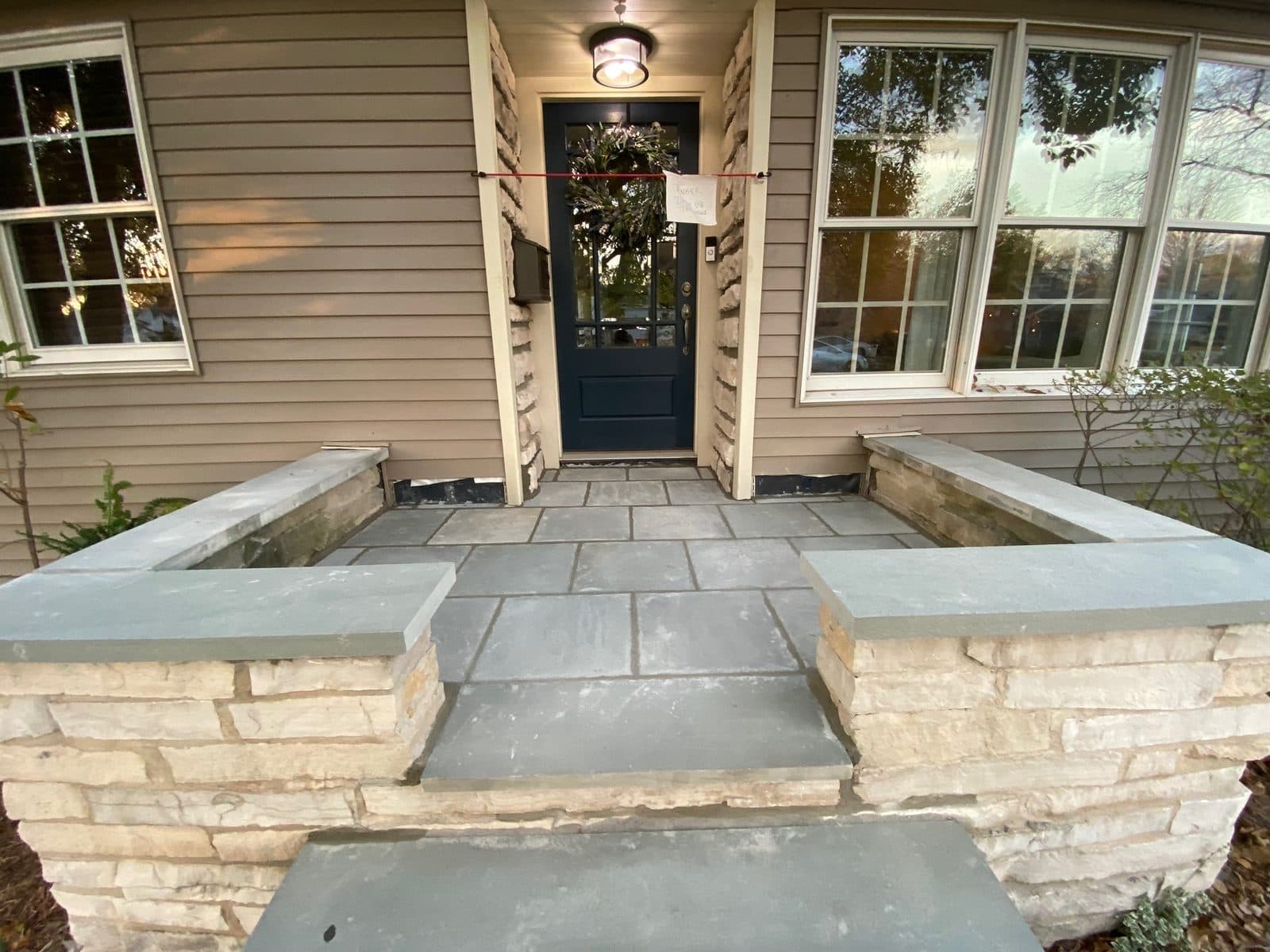
Tuckpointing vs. Brick Replacement in Chicago: Which Repair Does Your Home Actually Need?
The short answer: tuckpointing fixes the mortar — the gray lines between your bricks — while brick replacement fixes the bricks themselves. They are two different repairs solving two different problems, and they are not interchangeable. If the mortar joints are receding, sandy, or crumbling but the bricks are still solid, you need tuckpointing. If the brick faces are flaking off, cracked through, or loose, those units need brick replacement. And here's the part most homeowners don't expect: on the majority of older Chicago homes, the honest answer is both — mostly tuckpointing, plus spot brick replacement on the handful of units that have failed.
I've been doing masonry across Chicago and the Chicagoland suburbs since 1988, and I'll tell you straight: this is one of the most common questions I get on a driveway, and it's also one of the most over-sold repairs in the trade. Plenty of homeowners get quoted a full brick replacement when 90% of the wall just needs its joints repacked. So let's break down what each job actually does, how to read the signs yourself, and how to make sure you're paying for the repair your wall needs — not the biggest ticket a salesperson can write.
What Tuckpointing Is and What It Fixes
Tuckpointing (also called repointing when we're being precise about it) is the repair of the mortar joints — the beds of mortar that hold your bricks together and, just as importantly, keep water out of the wall.
Mortar is softer than brick on purpose. It's designed to be the sacrificial layer — it takes the abuse of weather, movement, and time so the brick doesn't have to. That means mortar wears out first. Over decades, especially through Chicago's brutal freeze-thaw cycles, the outer face of the mortar erodes, recedes, and eventually crumbles. When that happens, the joints stop shedding water and start letting it in.
Tuckpointing fixes that by:
- Grinding or raking out the old, deteriorated mortar to a sound depth (typically at least ¾ inch, or twice the joint width).
- Packing in fresh mortar — matched in color, type, and hardness to the original wall.
- Tooling the joint to the right profile so it sheds water and matches the look of the surrounding masonry.
What tuckpointing fixes: receding joints, sandy or powdery mortar, hairline mortar cracks, water infiltration through the joints, and the general "the gray lines are disappearing" look of an aging wall. What it does not fix: damaged bricks. If the brick itself is gone, tuckpointing can't bring it back.
What Brick Replacement Is and What It Fixes
Brick replacement is exactly what it sounds like — cutting out individual damaged bricks and setting in new (or reclaimed) matched units in their place.
Brick fails differently than mortar. When water gets behind or into a brick and freezes, it can pop the hard outer face right off — that's spalling. The brick can also crack straight through, crumble into a soft mess, work loose in the wall, or simply fall out. Once a brick's protective face is gone, there's no patching it back on; the soft interior will keep eroding until the unit is replaced.
Brick replacement involves:
- Cutting out the failed brick without disturbing the sound bricks around it.
- Sourcing a matched replacement — right size, color, and texture (this is the make-or-break step on older homes).
- Setting the new brick in fresh mortar and tooling the joints to blend.
What brick replacement fixes: spalled brick faces, cracked-through units, crumbling or "cheese-y" soft brick, loose and missing bricks, and structurally compromised individual units. What it does not fix: worn-out mortar on the rest of the wall. Replacing a few bricks does nothing for the fifty feet of receding joints around them.
Tuckpointing vs. Brick Replacement: Side-by-Side
| Tuckpointing / Repointing | Brick Replacement | |
|---|---|---|
| What it addresses | The mortar joints between bricks | The individual bricks themselves |
| Fixes | Receding, sandy, cracked, or crumbling mortar; water getting in through joints | Spalled, cracked, crumbling, loose, or missing bricks |
| Telltale signs | Gray joint lines shrinking or gone; mortar you can scratch out with a key; hairline cracks in the mortar | Brick faces flaking off; cracks running through brick; bricks that wiggle or have dropped out |
| How invasive | Surface-level — brick stays in place, only mortar is renewed | More involved — units are cut out and rebuilt in |
| Brick matching needed? | No (mortar color/type matched only) | Yes — brick and mortar must be matched |
| Typical longevity | ~20–30 years with the correct mortar | Indefinite — a matched brick lasts as long as the wall |
| When it's the right call | Mortar is failing, brick is still sound | Individual bricks have failed structurally |
| Most common reality | The bulk of the wall | A handful of spot units within it |
The last row is the one to remember. On a typical century-old Chicago wall, you're usually looking at a lot of tuckpointing and a little brick replacement — combined into one repair.
How to Tell Which One YOU Need
You don't need to be a mason to get a rough read on your own wall. Walk up to it and look at two separate things: the lines and the bricks.
Signs you need tuckpointing (the mortar is failing)
- The mortar joints are recessed — the gray lines sit noticeably deeper than the brick faces.
- You can scratch mortar out with a house key, a screwdriver, or your fingernail and it comes away as sand or powder.
- There are hairline cracks running along the mortar lines.
- You see mortar crumbs collecting at the base of the wall or on window sills.
- Water shows up inside near a chimney or exterior wall, but the bricks themselves still look solid.
If that's your wall, the brick is fine — you need tuckpointing.
Signs you need brick replacement (the brick itself is failing)
- Brick faces are flaking, popping, or peeling off (spalling), leaving a rough, pitted surface.
- Bricks are cracked straight through, not just at the joints.
- A brick crumbles when you press it, or feels soft and chalky.
- Individual bricks are loose, shifted, or have fallen out entirely.
- A brick has bulged proud of the wall face or sunk back behind it.
If that's your wall, tuckpointing alone won't cut it — those units need replacing.
When you need both (the usual answer)
Most aging Chicago masonry shows both patterns — long runs of tired mortar with a scattering of spalled or cracked bricks mixed in. The right move is to tuckpoint the whole section and replace the bad bricks at the same time, so the entire wall goes back to watertight in one pass. Doing them together also means the new bricks are set with the same fresh mortar, so the repair reads as one clean job instead of a patchwork.
Why Matching Matters (and Why It's Harder Than It Sounds)
On brick replacement, matching is everything — and it's where a lot of cut-rate work falls apart.
There are two things to match:
-
The brick — size, color, texture, and age. Chicago's building stock is full of brick that hasn't been manufactured in 80 or 100 years: soft common brick behind bungalows, distinctive face brick on greystones and two-flats, ornamental units on older commercial fronts. Matching often means sourcing reclaimed brick or hunting down the closest available match, then blending it so the eye doesn't catch a new patch in the middle of an old wall.
-
The mortar — color, joint profile, and mortar type. This is the technical part homeowners never hear about. Old soft brick was laid with soft, lime-rich mortar (roughly a Type N or softer). If someone repoints or resets brick with a hard modern mortar (like a high-strength Type S), the mortar becomes harder than the brick — and now, every freeze-thaw cycle, the brick gets crushed against unyielding mortar and spalls even faster. Matching mortar hardness to the brick isn't cosmetic; it protects the wall. Get it wrong and you accelerate the exact damage you were trying to repair.
Good matching is the difference between a repair that disappears and one you'll see from the sidewalk for the next thirty years.
The Risks of Choosing Wrong — or Waiting
Picking the wrong repair, or putting it off, both cost you.
If you tuckpoint over brick that should be replaced, you get fresh mortar framing a failing brick. Water still enters through the damaged unit, the brick keeps deteriorating behind the new joints, and in a few seasons you're opening the same wall back up — paying twice.
If you only replace brick and skip the tuckpointing, you've patched a few spots while the surrounding joints keep letting water in. The wall isn't watertight, and the moisture that spalled those first bricks goes right on working on the next ones.
If you wait on either, the damage compounds. Open mortar joints and spalled brick both let water into the wall. In Chicago that water freezes, expands, and pries the masonry apart — turning a straightforward tuckpointing-plus-spot-replacement job into a section rebuild, or worse, into structural repair on lintels, shelf angles, or the wall itself. Masonry problems are cheapest the day you first notice them and most expensive the day you can't ignore them.
What Drives the Cost of Each
I won't quote prices online — every wall is different and you deserve a real number, not a guess. But here's honestly what moves the cost on each job, so you understand your estimate:
Tuckpointing cost drivers:
- How much wall needs repointing (linear footage of joints).
- Access — ground-level vs. upper stories, tight gangways, and whether scaffolding or a lift is needed.
- Joint condition — deeply eroded joints take more grinding and more mortar.
- Matching — custom-tinting mortar to an unusual color adds a step.
Brick replacement cost drivers:
- How many bricks are failing and whether they're scattered or clustered.
- Sourcing and matching — reclaimed or hard-to-match brick takes more effort than stock.
- Access — same story; height and reach drive labor.
- Extent — a few spot units is one thing; a bulging or structurally cracked section is another.
The single biggest variable on almost every job is how much is affected and how hard it is to reach. That's why an on-site look beats any phone quote. We give you the real number in a free on-site estimate — no prices over the phone.
DIY vs. Pro — and Why Chicago Makes It Harder
I'm the last guy to tell a homeowner to hire out something they can do themselves. But tuckpointing and brick replacement are two jobs where DIY usually costs more than it saves, and Chicago's climate is exactly why.
Tuckpointing looks simple and isn't. Grind too shallow and the new mortar won't bond. Grind carelessly and you chip the brick edges — permanent, ugly damage. Mix the wrong mortar type and, as covered above, you can accelerate spalling on the very wall you're fixing. Getting the joint profile and color right so it matches takes practice most people don't have.
Brick replacement is harder still — cutting out a unit without cracking its neighbors, sourcing a match, and setting it plumb and bonded is a skilled job.
Then there's the freeze-thaw factor. Chicago runs through dozens of freeze-thaw cycles a season, and our housing stock — the classic brick bungalows, greystones, and two-flats — is full of soft, old brick that punishes any mistake. Soft historic brick with the wrong hard mortar is a spalling machine. A pro who works on these homes every day knows to reach for the softer, more forgiving mortar and to match the original construction. On these walls, experience isn't a luxury — it's what keeps the repair from failing early.
Related Services
- Tuckpointing & repointing — renewing the mortar joints across your walls and chimney.
- Brick repair — patching, sealing, and restoring brick that's still sound.
- Brick replacement — cutting out and matching failed brick units.
Frequently Asked Questions
What's the difference between tuckpointing and brick replacement? Tuckpointing repairs the mortar joints — grinding out worn mortar and packing in fresh. Brick replacement swaps out the actual bricks when they've spalled, cracked, or crumbled. One fixes the joints; the other fixes the units. Many walls need a bit of both.
How do I know which one I need? Look at what's failing. Receding, soft, or cracked mortar with solid bricks means tuckpointing. Flaking, cracked, or loose bricks mean replacement. If both are happening — the common case — the wall gets tuckpointed and the bad bricks swapped together.
Can tuckpointing fix a spalled or crumbling brick? No. Once a brick's face is gone, mortar work can't rebuild it — that unit has to be cut out and replaced. Tuckpointing only renews the joints.
Do I have to replace a whole wall if some bricks are bad? Almost never. Damaged bricks are usually scattered or clustered, so we cut out just those and match new units in. Full rebuilds are for walls that are bulging or structurally cracked across a large area.
Why does mortar type matter so much? Because mortar that's harder than the brick will crush and spall the brick over freeze-thaw cycles. Old Chicago soft brick needs a softer, lime-rich mortar (often Type N or softer). Matching hardness protects the wall — it's not just cosmetic.
Which one is more urgent? Whichever is letting water in. Both open mortar joints and spalled brick admit water, which freezes and expands and pries the wall apart. Address whichever is failing before another winter runs through it.
The Bottom Line
Tuckpointing and brick replacement solve two different problems: one renews the mortar, the other renews the brick. Read your wall — check the joints and the bricks separately — and you'll usually find you need mostly tuckpointing with a few bricks replaced, all done together in one clean repair. What you almost never need is a full replacement when repointing plus spot work would do.
Here's my promise: if your wall just needs tuckpointing, that's what we'll tell you — I've talked plenty of homeowners out of the bigger job because their brick was still perfectly sound. The only way to know for certain is to have someone who's done both for decades put eyes on it.
Get a free on-site estimate so we can tell you which repair you actually need — call (708) 448-8866.
Paul Lally's Masonry Inc. is a family-owned, insured masonry contractor serving Chicago and the Chicagoland suburbs since 1988 — tuckpointing, brick repair and replacement, chimney repair and rebuilds, lintel replacement, masonry restoration, and waterproofing for residential and commercial properties. Built on Craftsmanship. Backed by Experience. Free on-site estimates — call (708) 448-8866.
Frequently Asked Questions
What's the difference between tuckpointing and brick replacement?
Tuckpointing repairs the mortar joints — it grinds out the old, worn mortar between the bricks and packs in fresh mortar. Brick replacement swaps out the actual bricks when they've spalled, cracked, or crumbled. One fixes the joints; the other fixes the units. Many walls need a combination of both.
How do I know if I need tuckpointing or brick replacement?
Look at what's failing. If the mortar lines are receding, soft, sandy, or cracked while the bricks stay solid, you need tuckpointing. If the brick faces are flaking off, cracked through, or loose, those bricks need replacing. When both are happening, the wall gets tuckpointed and the bad bricks get swapped at the same time.
Is tuckpointing cheaper than brick replacement?
Tuckpointing is usually the less involved job because the bricks stay in place and only the mortar is renewed, while replacement means cutting out units and sourcing matched brick. But the real driver is how much area is affected and how hard it is to reach. Paul Lally's Masonry Inc. gives you the number in a free on-site estimate, never over the phone.
Can tuckpointing fix spalling or crumbling brick?
No. Once a brick face has spalled off or the unit has crumbled, tuckpointing can't rebuild it — the damaged brick has to be cut out and replaced. Tuckpointing only renews the mortar joints. Fresh mortar around a spalled brick helps stop new water damage, but the failed brick itself still needs replacing.
Do I have to replace the whole wall if some bricks are bad?
Almost never. Spalled or cracked bricks are usually scattered or clustered in one area, so a mason cuts out just those units and replaces them with matched brick. Full rebuilds are reserved for walls that are bulging, structurally cracked, or damaged across a large section.
Will replacement brick and new mortar match my old Chicago home?
That's the whole craft of it. We match replacement brick by size, color, and texture — sourcing reclaimed or close-match units for bungalows, greystones, and two-flats — and we match the mortar color, joint profile, and mortar type so the repair blends into the original wall. On an older home the goal is that you can't tell where the work was done.
What happens if I tuckpoint over brick that should be replaced?
You end up with fresh mortar framing a failing brick, and the brick keeps deteriorating behind it. Water still gets in through the damaged unit, and within a few seasons you're paying to open the same wall back up. The right sequence is to replace bad brick and tuckpoint together so the whole section is watertight at once.
How long does tuckpointing last in Chicago?
Quality tuckpointing with the correct mortar type generally lasts 20 to 30 years, though exposure, wall orientation, and the softness of the original brick all affect it. Using the right mortar — often Type N on older soft brick — matters a lot in our freeze-thaw climate; mortar that's too hard can damage the very brick it's meant to protect.
Does Paul Lally's Masonry Inc. do both tuckpointing and brick replacement?
Yes. We handle tuckpointing, repointing, brick repair, brick replacement, chimney work, lintels, and full masonry restoration across Chicago and the suburbs. Because we do both, we can tell you honestly which one your wall actually needs — often it's mostly tuckpointing with a few bricks swapped. Call (708) 448-8866 for a free on-site estimate.