
Tuckpointing · Chicagoland, IL
Tuckpointing vs. Repointing: What's the Difference?
Homeowners use 'tuckpointing' and 'repointing' to mean the same thing, but they aren't technically identical. Here's what each term really means, how to know which one your Chicago-area brick needs, and why the mortar matters more than the name.
2026-06-28
Quick Answer
Repointing is the actual repair — grinding out failed mortar joints and packing in fresh, matched mortar. 'Tuckpointing' historically described a decorative two-mortar technique, but today most Chicagoland homeowners and masons use the word to mean that same mortar-joint repair. Either way the goal is sound joints that keep water out of your brick. Paul Lally's Masonry Inc. has tuckpointed and repointed Chicago-area brick since 1988 — free on-site estimates at (708) 448-8866.
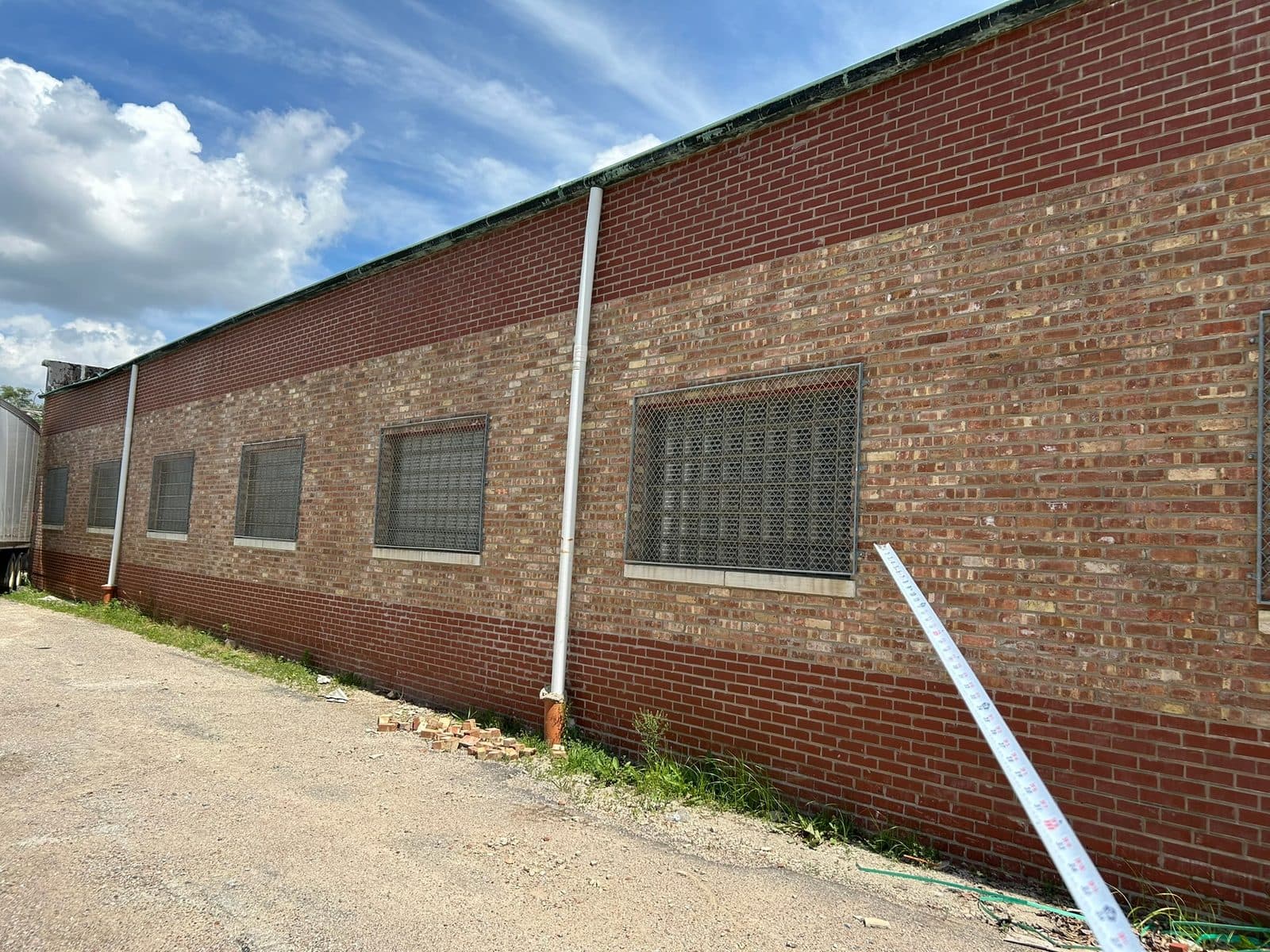
The short answer
If your brick mortar is crumbling, the repair you almost certainly need is repointing — grinding out the old, failed mortar and packing in fresh, color- and type-matched mortar. Most people, and plenty of contractors, call that tuckpointing. Technically the two words describe slightly different things, but in everyday Chicagoland conversation they've come to mean the same job: renewing the mortar joints so your brick stays sound and water stays out.
Paul Lally's Masonry Inc. has repointed and tuckpointed brick across Chicago and the Chicagoland suburbs since 1988. This guide walks through what each term really means, how to tell which your home needs, and — most importantly — why the mortar matters far more than the word you use for the work. Free on-site estimates: (708) 448-8866.
What "repointing" actually means
Repointing is the structural repair. Over decades, the mortar joints between bricks weather faster than the brick itself — they're softer by design, meant to be the sacrificial, replaceable part of a wall. Rain, wind, and especially freeze-thaw cycles eat away at the joint face until it recedes, crumbles, or opens up entirely.
Repointing fixes that in a specific sequence: the deteriorated mortar is ground and raked out to a sound depth, the joints are cleaned, and fresh mortar is packed in and tooled to match the original profile. Done right, the wall is structurally renewed and weather-tight again, and a good repointing job is nearly invisible — it should look like the wall was never touched.
The key idea: repointing is about function. It restores the joints that keep water out and hold the wall together.
What "tuckpointing" actually means (and why the words blur)
True tuckpointing started as a decorative technique. Centuries ago, masons wanted the look of expensive, precisely-cut brick with very fine joints — without the cost. So they'd fill the joints with mortar colored to match the brick, then score a thin groove and press in a contrasting (usually lighter) line of putty to create the illusion of a crisp, narrow joint. That fine raised line is the "tuck." It's an aesthetic trick using two mortars.
So in the strict, traditional sense:
- Repointing = removing and replacing failed mortar (the repair).
- Tuckpointing = a two-color decorative finish that mimics fine joints (the look).
Here's why the terms blurred: in Chicago and across the Midwest, "tuckpointing" became the catch-all word the trade and homeowners use for any mortar-joint work. When a Chicagoan says "I need my house tuckpointed," they virtually always mean "my mortar is bad — please repoint it." That's not wrong, it's just regional usage. What matters is that you and your mason are describing the same outcome: sound, matched, water-tight joints.
So which one do you need?
For the overwhelming majority of homes, the answer is repointing — even if you, your neighbor, and the estimate all call it tuckpointing. You need it when the joints have failed, regardless of the label.
You're looking at true decorative tuckpointing only in narrow cases: a historic restoration that needs to reproduce an original tuck-and-fillet finish, or a high-end aesthetic match on a building where that detail already exists. It's specialized, labor-intensive work — and a good mason will tell you honestly whether your home actually has (or needs) it.
The practical takeaway: don't get hung up on the vocabulary. Get hung up on the diagnosis — are the joints failing, how far, and what mortar is right to fix them.
Tuckpointing vs. repointing at a glance
| Repointing | True tuckpointing | |
|---|---|---|
| Purpose | Structural repair — renew failed joints | Decorative finish — imitate fine joints |
| What's done | Grind out old mortar, pack in matched mortar | Apply two contrasting mortars + a fine "tuck" line |
| Mortar used | One matched mortar | Two mortars (a fill color + a contrast line) |
| When you need it | Crumbling, receding, or open mortar joints | Historic/aesthetic match of an original tucked finish |
| What most Chicagoans mean | This — they just call it "tuckpointing" | Rarely the actual need |
| Goal | Keep water out, hold the wall together | Cosmetic crispness |
In short: nearly every "tuckpointing" call in Chicagoland is a repointing job. The word people use and the work that gets done don't have to match — the mortar does.
How the repair is done, step by step
Whatever you call it, quality joint repair follows the same disciplined process:
- Inspect and diagnose. Identify which joints have failed and how deep, check for spalled brick that also needs attention, and confirm what mortar the wall was originally built with.
- Grind and rake the joints. The failed mortar is cut out to a sound depth — typically a bit more than twice the joint width — using grinders and hand tools, without chipping the brick edges.
- Clean the joints. Dust and loose debris are cleared so the new mortar bonds properly. Joints are often dampened so the brick doesn't pull moisture out of fresh mortar too fast.
- Mix matched mortar. Color, type, and texture are matched to the original (more on this below).
- Pack the mortar. Fresh mortar is pressed firmly into the joints in layers, fully filling the void — no hollow backs.
- Tool the joints. The joints are struck to match the original profile (concave, V, struck, or flush) so the repair reads the same as the rest of the wall.
- Cure and clean. The mortar is allowed to cure at the right temperature and moisture; the brick faces are cleaned of any haze.
Skipping or rushing any of these — especially the grinding depth, the mortar match, and the curing — is what separates a 30-year job from one that fails in a few seasons.
Mortar matching: the part that makes or breaks the job
This is where craftsmanship lives. Two factors matter most:
Color and profile. New mortar should match the original's color and joint shape so the repair disappears. A gray smear across a warm tan bungalow announces "cheap patch job" and can hurt resale. Matching takes experience and, often, trial batches.
Hardness and type. Mortar is graded by strength — Type N is a softer, more flexible mix suited to most residential brick; Type S is harder, used where more structural strength is needed; and many older buildings used soft lime mortar. The rule that trips up DIYers and low-bid contractors: the mortar should generally be softer than the brick. If you repoint soft, century-old Chicago brick with hard modern Portland-cement mortar, the wall can no longer flex with temperature and moisture — so the brick spalls instead of the mortar. You trade a cheap joint repair for expensive brick replacement.
Matching mortar correctly is exactly why mortar-joint work is a craftsman's job, not a hardware-store afternoon.
What drives the cost
We never publish a flat price, because no two walls are alike. What actually moves the number:
- Scope — a single chimney or one elevation versus the whole house.
- Height and access — upper stories, parapets, and tight setbacks need scaffolding or lifts and more setup.
- Extent of damage — lightly receded joints versus deep, widespread failure with spalled brick to replace.
- Mortar matching — reproducing an unusual color or a historic soft mortar takes more effort.
- Joint profile and brick type — ornate profiles and fragile historic brick are slower, more careful work.
The only honest figure is a free on-site estimate. No dollar figures, no per-foot rate, no guesswork — we look at your actual brick and tell you what it needs. Call (708) 448-8866.
DIY vs. hiring a mason
Tubes of caulk and bags of premixed mortar make joint repair look approachable. The trouble is everything covered above: cutting to the right depth without chipping brick, matching color and — critically — hardness, fully packing and properly tooling the joints, and curing in the right conditions. Get the mortar too hard and you damage the brick; smear it and you stain the wall; pack it shallow and water gets behind it within a year or two.
On a low chimney or a small garden wall, an experienced DIYer can try. On the visible face of your home, on anything above one story, or on older soft brick, the risk of an expensive mismatch outweighs the savings. This is specialized work where the cost of doing it wrong is high.
Why Chicagoland brick needs this more than most
Chicago is a brick city, and its housing stock is old: classic bungalows, stately greystones, and two-flats that are often a century old or more, built with soft brick and lime-based mortar. Add our brutal freeze-thaw cycles — water seeps into a tired joint, freezes, expands, and pries the masonry apart, over and over, all winter — plus lake-effect moisture, and you have the perfect conditions for mortar joints to fail.
That's also why mortar matching is so critical here specifically: a huge share of Chicagoland masonry predates modern hard cement mortars, so repointing the right way means respecting the soft, flexible mortar these walls were built with. Slapping modern Type S on a 1920s bungalow is one of the most common — and most damaging — mistakes we're called in to undo.
How long it lasts and how to protect it
A proper repointing job, with matched mortar and correct tooling, commonly lasts decades — often 25 years or more — before those joints need attention again. You stretch that lifespan by managing water: keep gutters and downspouts working so runoff isn't sheeting down the brick, regrade so water drains away from the wall, and consider a breathable masonry sealer where appropriate (never a film-forming sealer that traps moisture). A quick visual check each spring catches small joint problems while they're still small.
Related services
- Tuckpointing and repointing — the mortar-joint repair this whole guide is about.
- Brick repair and replacement — for the spalled or cracked brick that often comes with failed joints.
- Chimney repair and rebuilds — chimneys are where joints fail first and worst.
- Masonry waterproofing and sealing — breathable protection to extend a fresh repointing job.
The bottom line
Tuckpointing and repointing aren't quite the same word, but in Chicagoland they point to the same need: failing mortar joints that have to be cut out and renewed with the right matched mortar. Don't worry about which term is on the estimate — worry about whether the mason diagnoses the real extent of the damage and matches the mortar to your brick.
Paul Lally's Masonry Inc. is a family-owned, insured masonry contractor serving Chicago and the Chicagoland suburbs since 1988 — tuckpointing and repointing, brick repair and replacement, chimney repair and rebuilds, lintel replacement, masonry restoration, and waterproofing for residential and commercial properties. Built on Craftsmanship. Backed by Experience. If your joints are crumbling, call (708) 448-8866 or request a free on-site estimate — and we'll tell you honestly what your brick needs.
Frequently Asked Questions
Is tuckpointing the same as repointing?
In everyday use, yes — most Chicagoland homeowners and even many masons say 'tuckpointing' to mean repointing, which is removing failed mortar and packing in fresh mortar. Technically, true tuckpointing is a decorative technique that uses two mortar colors to create a crisp fillet line, while repointing is purely the structural repair. When you call about crumbling joints, you're almost always asking for repointing.
How do I know if my brick needs repointing?
Look at the mortar joints, not the brick. If you can rake a key or screwdriver and the mortar crumbles, falls out, or has receded more than about a quarter inch, the joints are failing and need repointing. Other signs are gaps you can see daylight or shadow in, sandy residue at the base of the wall, and white efflorescence staining — all signs water is moving through the joints.
What happens if I don't repoint failing mortar?
Mortar joints are the first line of defense; once they open up, water gets behind the brick. In Chicago's freeze-thaw winters that water expands, spalls the brick faces, and can eventually push a wall out of plane. Repointing is far cheaper than the brick replacement or wall rebuilding that follows when failing joints are ignored.
Does the mortar color have to match my existing brick?
Yes — good repointing matches the mortar's color, joint profile, and hardness to the original. A mismatched gray patch on a warm-toned bungalow is obvious and hurts the home's value. Paul Lally's Masonry Inc. color- and type-matches mortar so a repaired section blends in instead of standing out.
Can you repoint just one section of a wall?
Often, yes. If only a chimney, a parapet, or one weather-exposed elevation has failed, we can repoint just that area and match it to the rest. We'll tell you honestly at the free estimate whether a spot repair will hold or whether the whole elevation is due.
Why does old Chicago brick need soft mortar instead of modern cement?
Many century-old Chicago bungalows, greystones, and two-flats were built with soft, lime-based mortar and softer brick. If you repoint them with hard modern Portland-cement mortar, the brick — not the mortar — becomes the weak point and spalls. Matching a softer, more flexible mortar to the original is essential on historic masonry.
How long does tuckpointing or repointing last?
Properly done with matched mortar, repointing commonly lasts several decades — often 25 years or more — before those joints need attention again. Longevity depends on the mortar match, the tooling, and keeping water managed with good gutters and, where appropriate, a breathable sealer.
Can repointing be done in winter in Chicago?
Fresh mortar needs above-freezing temperatures to cure, so most repointing is done from spring through fall. Cold-weather work is possible with tenting and heat for urgent repairs, but for the best, longest-lasting joints it's better scheduled in the warmer months. We'll advise on timing at your estimate.