
Foundation Masonry Repair · Downers Grove, IL
Foundation Masonry Repair in Downers Grove, IL
Crumbling mortar, spalling brick, or step cracks at your foundation in Downers Grove? Paul Lally's Masonry Inc. repoints, rebuilds, and parges masonry foundations across DuPage County. Free on-site estimates.
Quick Answer
Paul Lally's Masonry Inc. provides foundation masonry repair in Downers Grove, IL — repointing deteriorated mortar, replacing spalled foundation brick and block, parging, and crack repair on brick, block, and stone foundations. Family-owned and serving Chicagoland since 1988. Free on-site estimates: call (708) 448-8866.
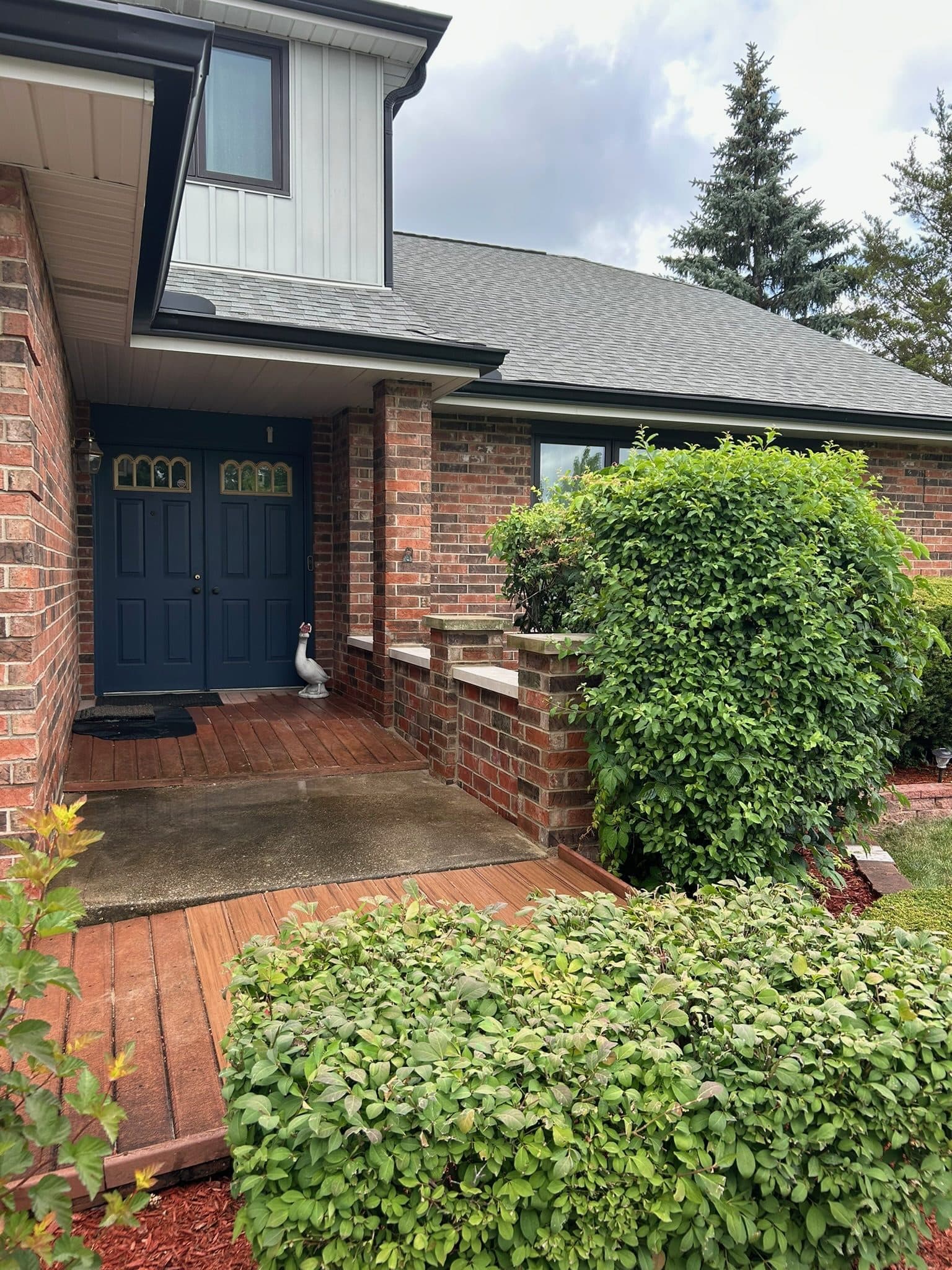
Foundation masonry repair in Downers Grove, IL — what it is and when you need it
Foundation masonry repair restores the brick, block, or stone that makes up a masonry foundation. In practice that means repointing deteriorated mortar joints, replacing spalled or cracked foundation units, rebuilding courses that have broken down, parging worn surfaces with a protective coat, and repairing cracks where water finds its way in. It is the work that keeps the masonry shell of your foundation sound, watertight, and stable.
It is important to be clear about what this is not. Foundation masonry repair is not structural underpinning. Underpinning adds new support beneath a footing that is settling — a different trade with a different scope. Masonry repair addresses the condition of the masonry itself. If your foundation is actively moving, you need an engineer first; if the masonry is weathering, deteriorating, or leaking, that is squarely our work. Paul Lally's Masonry Inc. has been doing that work across Chicago and the Chicagoland suburbs since 1988.
Signs your Downers Grove foundation needs masonry repair
Foundations tend to fail quietly at first. Watch for these signs, especially on the older brick and block foundations common in Downers Grove:
- Crumbling or missing mortar at grade — the joints just above and below the soil line erode first, where moisture and freeze-thaw hit hardest.
- Spalling or cracked foundation brick or block — flaking faces, popped corners, or units cracked clean through mean water has been getting in and freezing.
- Stair-step cracks — cracks that track diagonally along the mortar joints in a stepped pattern signal stress and moisture movement in the wall.
- Water seepage — damp patches, trickles, or standing water in the basement after a rain point to failed joints or cracked units letting water through.
- Efflorescence — the chalky white residue on the inside of the wall is mineral salt left behind by water passing through the masonry. It is a reliable tell that moisture is moving through the foundation.
Any one of these deserves a look. Two or three together mean it is time to act.
The risk of waiting
Masonry foundation problems compound. A few open joints let water into the wall; that water freezes, expands, and pries the masonry apart, opening more joints and spalling more brick or block. Left alone, a repointing job that could have been handled in a day turns into rebuilding deteriorated courses. Persistent seepage invites basement moisture, mildew, and damage to whatever is stored or finished below grade. And the longer water tracks through the foundation, the more the surrounding masonry weakens. Catching it early is almost always the cheaper, cleaner fix.
Our process
We start with a free on-site estimate. We walk the foundation inside and out, read what the mortar and units are telling us, and distinguish weathering from anything that looks structural. From there:
- Assessment — we identify sound masonry, failed joints, and units that need replacement, and we flag anything that warrants a structural engineer.
- Repointing — deteriorated mortar is cut out to proper depth and repacked with fresh mortar matched to the wall.
- Unit replacement and rebuilding — spalled or cracked brick and block are removed and replaced with matching units; deteriorated courses are rebuilt where the damage runs deep.
- Parging and crack repair — worn surfaces get a protective parge coat, and cracks are cut and sealed.
- Waterproofing — where moisture is the driver, we apply the right sealers to keep it out.
Materials that hold up below grade
Below-grade masonry lives in a harder environment than the walls above it — constant soil contact, moisture, and freeze-thaw pressure. The materials have to match that. We typically use Type S mortar for foundation work because of its higher compressive strength and strong bond, which is what below-grade masonry demands. We parge where a smooth, protective coat is called for, and we apply appropriate sealers to shed water at the surface. Using the right mix and the right coatings below grade is not a detail — it is the difference between a repair that lasts and one that fails again in a few seasons.
When a structural engineer belongs in the conversation
We will always be straight with you about scope. Masonry repair fixes masonry. It does not correct a foundation that is genuinely settling, bowing, or shifting. When the evidence points to active structural movement rather than weathering, the honest answer is that you need a licensed structural engineer to assess and design the fix. We would rather tell you that up front than sell you a repair that will not solve the real problem. Once the structural plan is in place, we handle the masonry portion the right way.
Downers Grove and DuPage County: why foundations here take a beating
Downers Grove has a lot of older homes, and many of them sit on brick or block foundations that have been in the ground for decades. Two local factors work against them. First, the clay soils common across DuPage County hold water and swell, driving hydrostatic pressure against foundation walls. Second, spring saturation — snowmelt and heavy spring rain — keeps that soil wet right into the freeze-thaw shoulder seasons, so the masonry cycles between soaked and frozen again and again. That cycle is exactly what erodes mortar at grade, spalls foundation brick, and opens the cracks that let water in. It is why foundation masonry repair is such steady work in this part of the county, and why staying ahead of it matters here more than in drier ground.
Trusted in Chicagoland since 1988
Paul Lally's Masonry Inc. is a family-owned, insured masonry contractor serving Chicago and the Chicagoland suburbs since 1988 — tuckpointing, brick repair and replacement, chimney repair and rebuilds, lintel replacement, masonry restoration, and waterproofing for residential and commercial properties. Built on Craftsmanship. Backed by Experience. Free on-site estimates — call (708) 448-8866.
Nearly four decades of Chicagoland foundations means we have seen how DuPage County soil and weather treat masonry, and we know how to repair it so it holds. Insured, working out of Palos Heights and serving Downers Grove and the surrounding suburbs.
Cost drivers — and a free estimate
Every foundation is different, so we quote each one after we have seen it. The factors that shape a foundation masonry repair include the extent of deteriorated mortar and how much needs repointing, how many brick or block units have to be replaced or rebuilt, whether parging and waterproofing are called for, access conditions around the foundation, and whether the situation is purely masonry or needs a structural engineer first. Rather than guess, we give you a free on-site estimate so you know exactly what your foundation needs and why.
Related services
- Foundation masonry repair — repointing, unit replacement, parging, and crack repair for brick, block, and stone foundations.
- Tuckpointing & repointing — restoring failed mortar joints throughout your masonry.
- Masonry waterproofing — sealing out the moisture that drives foundation decay.
Get your Downers Grove foundation looked at
If you are seeing crumbling mortar, spalling brick or block, step cracks, seepage, or efflorescence on your Downers Grove foundation, do not wait for it to spread. Paul Lally's Masonry Inc. will assess it honestly and repair it to last. Call (708) 448-8866 for your free on-site estimate.
Foundation Masonry Repair in Downers Grove, IL — Frequently Asked Questions
What is foundation masonry repair, and is it the same as foundation underpinning?
No. Foundation masonry repair restores the brick, block, or stone masonry of a foundation — repointing deteriorated mortar, replacing spalled or cracked units, parging, and sealing water-entry points. Structural underpinning, which adds support beneath a settling footing, is a separate scope. When we see signs of active settlement, we tell you honestly and recommend a structural engineer.
How do I know if my Downers Grove foundation needs masonry repair?
Common signs include crumbling or missing mortar at grade, spalling or cracked foundation brick or block, stair-step cracks tracking the mortar joints, water seepage into the basement, and white efflorescence on the interior wall. Any one of these is worth a free on-site look before it spreads.
Will you replace foundation brick and block, or just repoint the mortar?
Both, depending on condition. Sound units with failed joints are repointed with fresh mortar. Brick or block that has spalled, cracked through, or lost face is cut out and replaced with matching units, then repointed. We rebuild deteriorated courses where the damage runs deep.
Do you use special mortar for below-grade foundation work?
Yes. Below-grade masonry needs strength and moisture resistance, so we typically use Type S mortar for its higher compressive strength and bond, add parging where a smooth protective coat is called for, and apply appropriate sealers. The right materials matter more below grade than almost anywhere else on a house.
When do you recommend a structural engineer instead of masonry repair?
When the evidence points to active movement — a foundation that is settling, bowing, or shifting rather than simply weathering — masonry repair alone will not solve it. In those cases we tell you plainly and recommend a licensed structural engineer, then handle the masonry portion once the structural plan is set.
Foundation Masonry Repair in Nearby Areas
Other Masonry Services in Downers Grove, IL
Learn more about our foundation masonry repair services across Chicagoland, or view all service areas.
Free on-site estimates across Chicagoland.