
Masonry Restoration · La Grange, IL
Masonry Restoration in La Grange, IL — Historic Brick & Greystone
Masonry restoration for La Grange's historic brick and greystone homes — done with matched materials and the right soft lime mortar, not modern hard Portland that cracks old brick. Family-owned since 1988, free on-site estimates.
Quick Answer
Paul Lally's Masonry Inc. restores historic brick, greystone, and stone homes in La Grange, IL — matching original brick, stone, mortar color, and joint profile, and using the correct soft mortar so old masonry isn't damaged. Family-owned since 1988, insured, free on-site estimates. Call (708) 448-8866.
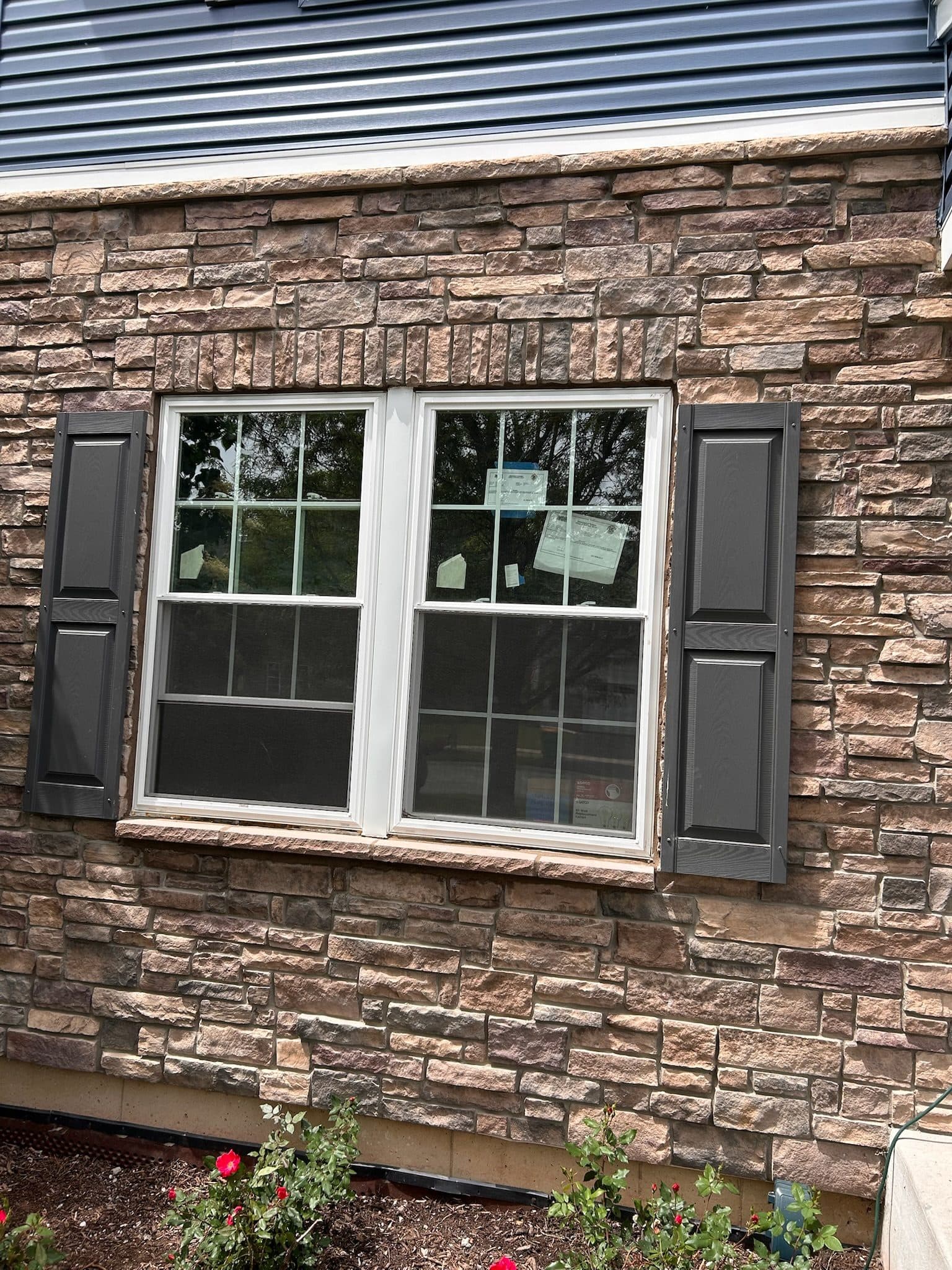
Walk down almost any street in La Grange and you're looking at masonry that's been standing for a century — pressed-brick foursquares, limestone-trimmed greystones, brick two-flats, and bungalows built when the trade still mixed mortar by hand. That craftsmanship is the reason these homes are still beautiful. It's also the reason they can't be repaired like a 1990s subdivision house. Masonry restoration in La Grange is about bringing old brick and stone back to sound condition using the right matched materials and the right soft mortar — not patching it with whatever's on the truck.
Paul Lally's Masonry Inc. is a family-owned, insured masonry contractor serving Chicago and the Chicagoland suburbs since 1988 — tuckpointing, brick repair and replacement, chimney repair and rebuilds, lintel replacement, masonry restoration, and waterproofing for residential and commercial properties. Built on Craftsmanship. Backed by Experience. Free on-site estimates — call (708) 448-8866.
What masonry restoration actually means
Restoration is different from a spot repair. A spot repair fixes one failing area — a few crumbling joints, a cracked brick over a window. Restoration treats the whole facade as one system: it matches original materials, repoints failed mortar joints, replaces brick and stone that's too far gone, rebuilds compromised sections, cleans the wall, and protects it from water. When it's done right, you can't tell where the new work begins and the old wall ends. That's the entire point.
On a historic La Grange home, restoration usually pulls in several of our services at once:
- Tuckpointing and repointing to renew failed mortar joints
- Brick and stone repair or replacement for spalled, cracked, or missing units
- Facade rebuilding where walls have bowed, separated, or lost their bond
- Lintel replacement where rusting steel over windows and doors has cracked the brick above it
- Cleaning and sealing to remove staining and protect the finished wall
Why old homes need soft mortar — the mistake that destroys brick
This is the single most important thing a La Grange homeowner needs to understand, and it's where most cheap masonry work goes wrong. Century-old brick is soft. It was made to flex, breathe, and let moisture move through and evaporate. The mortar around it was soft too — lime-rich, weaker than the brick on purpose, so the mortar takes the stress and wears out first. Mortar is meant to be the sacrificial, replaceable part of the wall.
Modern bagged mortar is hard, high-Portland-cement mortar. It's fine on a new house. But pack it into a 100-year-old wall and you've reversed the relationship: now the mortar is stronger than the brick. When the wall expands and contracts through Chicago's freeze-thaw winters, the rigid mortar won't move — so the soft historic brick cracks, spalls, and crumbles instead. People think they're "fixing" the house and they're quietly wrecking irreplaceable brick.
Correct restoration uses a softer, lime-rich mortar matched to the original in strength, color, texture, and joint profile. It protects the brick the way the original builder intended. Getting that match right is exactly the kind of judgment a family that's been doing this since 1988 brings to every old wall.
Matching the materials — where restoration lives or dies
A restoration that doesn't match looks worse than the damage it replaced. We focus on getting four things right:
- Brick — color, size, and texture, sourced as close to the original as possible (many older La Grange bricks aren't made anymore, so the match is a sourcing skill).
- Stone — for greystone fronts and limestone trim, color and finish.
- Mortar color and texture — custom-mixed, not assumed.
- Joint profile — the shape the mason tools into the joint (concave, struck, raked) so the new joints read like the old ones.
Get those four right and the repair disappears. Get them wrong and you've stamped a patch onto a historic facade forever.
The risks of waiting — or of the wrong "fix"
Failing masonry doesn't hold still. Open mortar joints and cracked brick let water in; that water freezes, expands, and pries the wall apart a little more every winter. What starts as a few soft joints becomes spalled brick, then a bowing wall, then a section that has to be rebuilt. The wrong materials accelerate all of it — hard mortar and the wrong sealer can trap moisture inside the wall and do damage that's invisible until brick starts popping off the face. On an irreplaceable historic home, the cost of doing it twice — once wrong, once right — is the real expense.
What drives the cost of restoration in La Grange
We never quote a price sight unseen, and we never publish one — every wall is different. What moves a restoration estimate up or down:
- Extent of the work — a single elevation versus a full wrap-around facade
- Height and access — ground-floor work versus upper stories, parapets, and rooflines
- Scaffolding or lift needed to reach the work safely
- How hard the materials are to match — rare or discontinued brick and custom stone take more sourcing
- Condition — light repointing versus rebuilding bowed or separated sections
We explain exactly what's driving the number on your home and put it in a clear written estimate. The actual figure always comes from a free on-site estimate, never a guess over the phone.
La Grange local context
La Grange and its neighbors sit in Cook County, in a part of Chicagoland with some of the oldest and best housing stock around — historic districts, century-old brick homes, greystones, brick two-flats, and bungalows. These buildings take the full force of the region's weather: hard freeze-thaw cycles, wet springs, and lake-influenced moisture that work on every open joint and worn brick. That combination — old, soft masonry plus a punishing climate — is precisely why restoration here has to be done by someone who knows historic walls, not just bricklaying. We've been restoring exactly these homes across the suburbs since 1988.
Why La Grange homeowners call Paul Lally's Masonry Inc.
We're a family-owned, insured masonry contractor, and the family name is on every job — so the work is done the way we'd do it on our own house. We match materials, use the correct mortar for the age of your wall, and leave you with a facade that protects your home and keeps its character. Built on Craftsmanship. Backed by Experience.
If you own a historic brick or greystone home in La Grange and you're seeing crumbling joints, spalling brick, or a wall that just looks tired, get a real assessment before another winter works on it.
Learn more about our masonry restoration work, or the individual services restoration draws on — tuckpointing and repointing, brick repair and replacement, and lintel replacement.
Get a free on-site estimate. Visit our contact page or call (708) 448-8866 today.
Masonry Restoration in La Grange, IL — Frequently Asked Questions
How much does masonry restoration cost in La Grange, IL?
There is no flat rate — restoration cost depends on how much of the wall needs work, the height and access, scaffolding, and how hard the original brick, stone, and mortar are to match. A small facade repair is far less involved than a full greystone front. The only accurate figure is a free on-site estimate.
Why can't I just use regular mortar on my old brick home?
Because modern hard Portland-based mortar is stronger than century-old brick, and that's the problem. The soft historic brick flexes and breathes; a rigid mortar won't move with it, so the brick itself cracks and spalls instead of the mortar. Older La Grange homes need a softer, lime-rich mortar matched to the original.
What is the difference between masonry restoration and a basic repair?
A basic repair fixes one failing spot. Restoration brings the whole facade back — matching materials, repointing failed joints, replacing damaged brick or stone, rebuilding sections, and protecting the wall — so the result reads as original, not patched.
Can you match the brick and mortar on my historic La Grange home?
Yes. Matching the original brick color and size, the stone, and the mortar color, texture, and joint profile is the heart of good restoration. On greystones and century-old brick homes we source the closest brick and custom-mix mortar so the repair disappears into the wall.
Do you work on greystones and two-flats?
Yes. La Grange and the surrounding Cook County neighborhoods are full of greystones, brick two-flats, and century-old bungalows, and these are exactly the buildings restoration is for. We restore both residential and commercial historic masonry.
Will restoration increase the value of my home?
Sound, correctly matched masonry protects both the structure and the character that makes an older La Grange home valuable. Buyers and appraisers notice failing brick and bad patch jobs; quality restoration preserves the look while stopping water damage that would only get more expensive.
Is Paul Lally's Masonry Inc. insured?
Yes. Paul Lally's Masonry Inc. is a family-owned, insured masonry contractor that has served Chicago and the Chicagoland suburbs since 1988. Our name is on every job.
Masonry Restoration in Nearby Areas
Other Masonry Services in La Grange, IL
Learn more about our masonry restoration services across Chicagoland, or view all service areas.
Free on-site estimates across Chicagoland.