
Masonry Restoration · Lemont, IL
Masonry Restoration in Lemont, IL — Brick, Limestone & Historic Homes
Lemont was built from limestone, and old stone and brick deserve restoration that respects the original. Paul Lally's Masonry Inc. restores Lemont's historic homes, churches, and storefronts with matched mortar and gentle methods — family-owned since 1988.
Quick Answer
Paul Lally's Masonry Inc. restores brick and limestone masonry in Lemont, IL — tuckpointing with matched lime mortar, limestone and sill repair, gentle cleaning, and full facade restoration for historic homes, churches, and commercial buildings. Family-owned and serving Chicagoland since 1988, insured. Free on-site estimates — call (708) 448-8866.
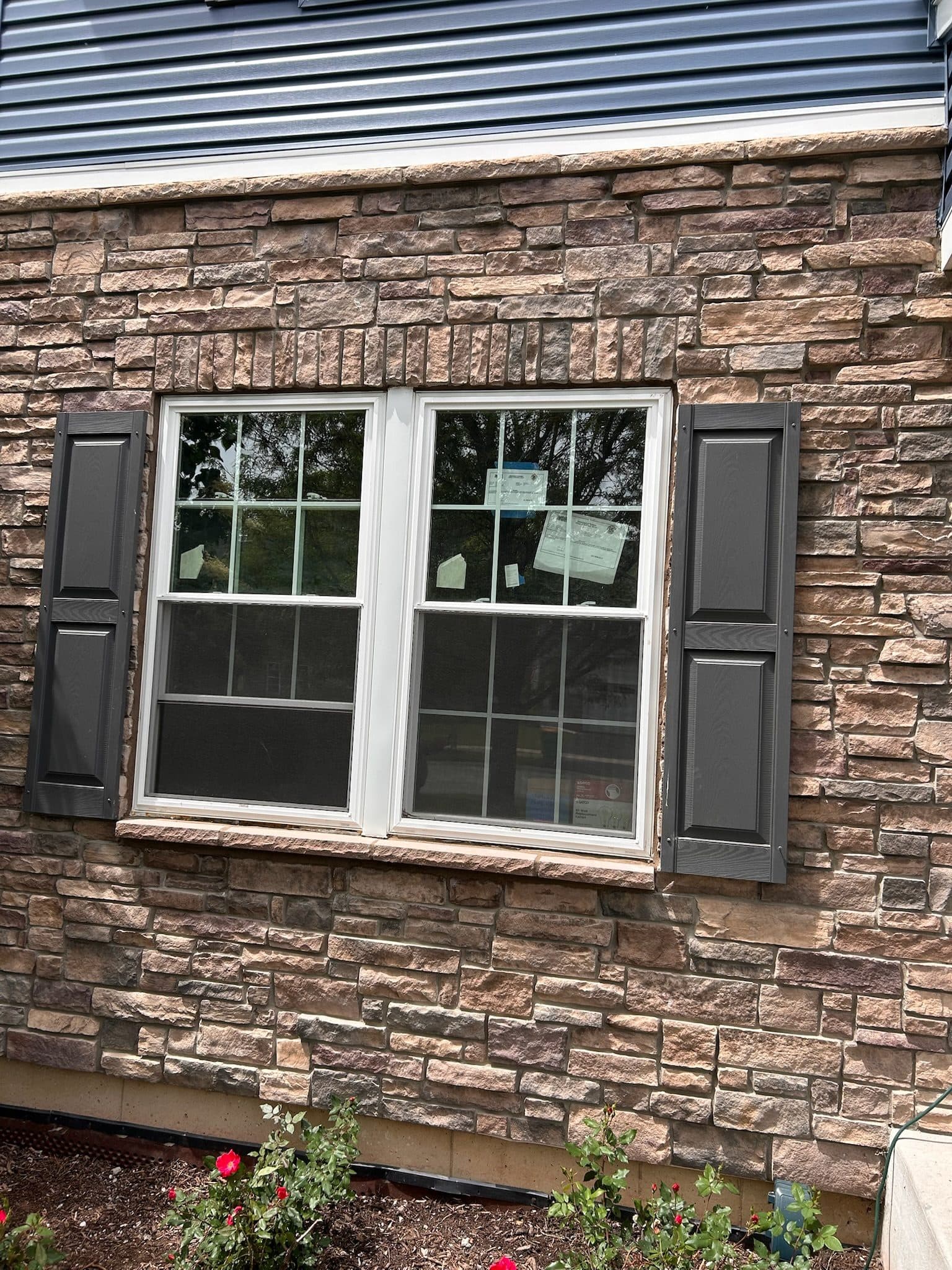
Masonry restoration in Lemont, IL — heritage brick and limestone, restored right
Lemont was, quite literally, built from stone. The dolomite limestone quarried from the bluffs above the Illinois & Michigan Canal in the 1800s — the same "Lemont limestone" that earned the town its nickname as the Athens of Illinois — still stands in the village's old churches, downtown storefronts, and century-old homes. That kind of masonry can last generations, but only if it is cared for with the right materials and a gentle hand. Paul Lally's Masonry Inc. restores brick and limestone for Lemont homeowners and building owners — matched mortar, careful stone repair, and no harsh shortcuts. Family-owned and serving Chicagoland since 1988, insured. Free on-site estimates: (708) 448-8866.
What masonry restoration covers
Restoration is more than a patch — it brings a whole wall or building back to sound, weather-tight condition while keeping its original character. On a Lemont property that usually means some mix of:
- Tuckpointing and repointing — grinding out failed mortar joints and renewing them with matched lime-based mortar.
- Limestone and sill repair — patching spalled stone, resetting shifted blocks, and rebuilding worn sills, lintels, and trim.
- Brick repair and replacement — swapping spalled or cracked brick with units matched for size, color, and texture.
- Gentle cleaning — removing soot, staining, and biological growth without eroding soft historic surfaces.
- Crack and structural repair — addressing step cracks, bulges, and open joints at their source.
- Sealing where appropriate — a breathable approach that sheds water without trapping moisture in old walls.
Lemont's limestone heritage — and why it needs the right approach
The masonry that makes Lemont beautiful is also the masonry that is least forgiving of modern, one-size-fits-all repair. Historic limestone and the soft red brick of century-old homes were laid in lime mortar that flexes with the seasons. When someone repoints that wall with hard Portland-cement mortar, the joint becomes stronger than the stone around it — and the freeze-thaw stress that used to be absorbed by the mortar starts spalling the brick and cracking the limestone instead. The same goes for cleaning: sandblasting or aggressive pressure washing can strip the weathered "skin" off historic brick and stone in an afternoon and leave it absorbing water for decades.
Restoration done right respects what the building is made of. We match the mortar to the original, we clean gently, and we repair stone rather than rushing to replace it.
Signs your Lemont home or building needs restoration
- Receding, sandy, or missing mortar joints you can rake with a key.
- Spalling or flaking brick — faces popping or crumbling off.
- Cracked, chipped, or shifted limestone sills, lintels, or wall stone.
- White efflorescence or dark staining moving through the masonry.
- Step cracks following the mortar joints, or a wall that bows or bulges.
- Water stains inside near windows, chimneys, or along the foundation.
- Past repairs in the wrong material — hard gray mortar smeared over a soft historic wall.
The risk of waiting on historic masonry
Masonry problems are water problems, and water never stops. A few open joints let moisture into the wall; Lemont's freeze-thaw winters then expand it, spalling brick and breaking stone from the inside out. On a historic building, that means losing original material that can't simply be bought off a shelf — and a small repointing job can grow into a structural rebuild. Catching it early, with the right mortar and methods, is always the cheaper and more faithful path.
Our masonry restoration process
- Free on-site inspection. We read the whole wall — mortar condition, brick and stone health, where water is getting in — and tell you what genuinely needs doing versus what can wait.
- Match the materials. We match mortar color, texture, and softness to the original, and source brick or stone to blend with what's there.
- Renew the joints. We grind or rake out failed mortar carefully and repoint by hand, tooling the joints to match the historic profile.
- Repair the stone and brick. Spalled brick is replaced, limestone is patched or reset, sills and lintels are rebuilt as needed.
- Clean gently. No sandblasting — we use methods that lift staining without eroding the surface.
- Protect and cure. Where appropriate we apply a breathable sealer, and we let the masonry cure properly before we call it done.
What drives the cost of masonry restoration
We never publish a flat price, because every old building is different. What moves the number:
- Scope — a single sill or porch versus a full facade.
- Brick and stone matching — sourcing materials to match a historic home takes more effort than a modern wall.
- Height and access — upper stories, towers, and tight sites need more staging and safety.
- Extent of damage — how far water has traveled and how much original material must be repaired or replaced.
The only honest number is a free on-site estimate — (708) 448-8866.
Why Lemont homeowners call Paul Lally's Masonry Inc.
Paul Lally's Masonry Inc. is a family-owned, insured masonry contractor serving Chicago and the Chicagoland suburbs since 1988 — masonry restoration, tuckpointing, brick repair and replacement, limestone and sill repair, chimney repair and rebuilds, lintel replacement, and waterproofing for residential and commercial properties. We match your mortar and stone, we clean and repair without harming the original, and we tell you honestly what your building needs. Built on Craftsmanship. Backed by Experience. Free on-site estimates — call (708) 448-8866.
Related services
- Masonry restoration — the full restoration scope for homes, churches, and commercial buildings.
- Limestone and sill repair — for Lemont's stone sills, lintels, and trim.
- Tuckpointing and repointing — matched-mortar joint renewal, the heart of most restorations.
- Brick repair and replacement — for spalled or cracked historic brick.
Have an older brick or limestone home in Lemont that's showing its age? Call Paul Lally's Masonry Inc. at (708) 448-8866 or request a free estimate.
Masonry Restoration in Lemont, IL — Frequently Asked Questions
How much does masonry restoration cost in Lemont, IL?
There is no flat rate — restoration cost depends on the size of the facade, how much brick or limestone needs repair versus replacement, the height and access, and how carefully the original mortar and stone must be matched. A small porch or sill repair is modest; a full historic facade is a larger project. The only accurate figure is a free on-site estimate from Paul Lally's Masonry Inc.
Can you match the mortar on my old Lemont home?
Yes. Older Lemont masonry was usually laid with soft, lime-based mortar, not modern Portland cement. We match the color, texture, and softness of the original so the repair moves with the wall instead of cracking the historic brick or limestone around it. Mortar matching is one of the most important parts of a proper restoration.
Do you work on limestone as well as brick?
Yes. Lemont is a limestone town, and we repair, repoint, and restore limestone walls, sills, lintels, and trim alongside brickwork. We can patch spalled stone, reset shifted blocks, and renew the joints so a limestone facade reads as one piece again.
Will restoration damage my historic brick?
Not when it is done correctly. We avoid harsh sandblasting and high-pressure washing that erode soft historic brick and stone, and we use gentle cleaning and hand-tooled joints instead. The goal of restoration is to preserve the original material, not strip it.
What is the difference between repair and full restoration?
A repair fixes a specific failure — a cracked sill, a few spalled bricks, an open joint. A restoration brings a whole facade or building back to sound, weather-tight condition: tuckpointing, stone repair, cleaning, and sealing as a coordinated project. We will tell you honestly which one your property needs at the free estimate.
Do you restore churches and commercial buildings in Lemont?
Yes. Paul Lally's Masonry Inc. handles residential, commercial, and historic restoration — from century-old homes to downtown storefronts, churches, and institutional buildings. We scope the work, stage it safely, and match materials so the building keeps its character.
How do I know if my older masonry needs restoration?
Watch for receding or sandy mortar joints, spalling or flaking brick, cracked or shifted limestone, white efflorescence, water stains inside, and any bowing in the wall. On historic buildings these signs tend to spread once water is getting in, so an early inspection is worth it. We offer those inspections at no charge.
Masonry Restoration in Nearby Areas
Other Masonry Services in Lemont, IL
Learn more about our masonry restoration services across Chicagoland, or view all service areas.
Free on-site estimates across Chicagoland.