
Tuckpointing & Repointing · Chicago, IL
Tuckpointing in Chicago, IL — Bungalows, Greystones & Two-Flats
Chicago's brick bungalows, greystones, and two-flats were built with soft historic mortar that fails long before the brick does. Paul Lally's Masonry Inc. grinds out the failed joints and repoints them with correctly matched mortar — family-owned since 1988.
Quick Answer
Paul Lally's Masonry Inc. provides expert tuckpointing in Chicago, IL — grinding out failed mortar joints and repointing brick bungalows, greystones, and two-flats with color- and type-matched mortar. Family-owned and serving Chicagoland since 1988, insured. We match historic lime mortar correctly so repairs last. Free on-site estimates — call (708) 448-8866.
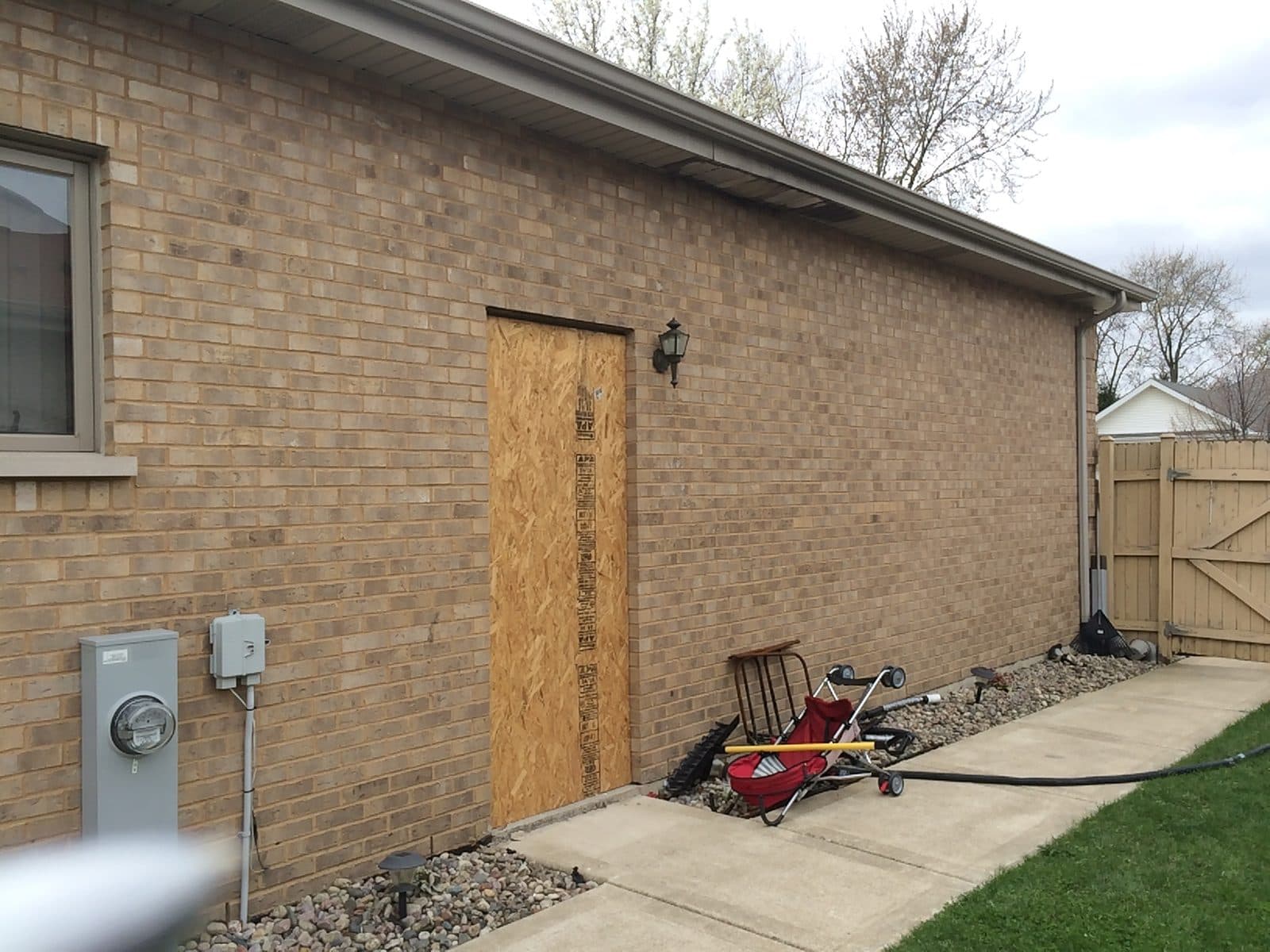
Tuckpointing in Chicago, IL — repair built for century-old brick
Most of Chicago's brick was laid more than a hundred years ago, and on almost all of it the mortar fails long before the brick does. The soft lime mortar in the city's bungalows, greystones, and two-flats erodes joint by joint until water finds its way into the wall — and once water is in the masonry, Chicago's freeze-thaw winters do the rest. Paul Lally's Masonry Inc. tuckpoints and repoints brick across Chicago, grinding out the failed joints and packing in mortar matched to your building. Family-owned and serving Chicagoland since 1988, insured. Free on-site estimates: (708) 448-8866.
What tuckpointing actually is
Tuckpointing — also called repointing — is the repair of the mortar joints between bricks, not the bricks themselves. A mason grinds and rakes out the deteriorated mortar to a sound depth, then packs in fresh mortar and tools the joint so it sheds water. Done right, it restores both the look and the weather seal of the wall. The brick in a typical Chicago home will outlast several generations of mortar, which is why repointing — not rebuilding — is the fix the vast majority of brick walls actually need.
Why Chicago brick needs the right mortar
This is where ordinary repair jobs on Chicago buildings go wrong. A great deal of the city's older housing stock was built with soft, lime-based mortar that flexes with the brick and lets the wall breathe. If that wall is repointed with hard, modern Portland-cement mortar (Type S or harder), the rigid joint becomes stronger than the historic brick around it. Moisture and seasonal movement then get trapped, and the brick faces begin to spall and pop off — the joints survive while the irreplaceable old brick crumbles.
Correct tuckpointing on a Chicago bungalow or greystone means matching the type of mortar (often a softer Type N or a lime mix on the oldest masonry), the color, and the texture and joint profile to what is already there. Get that right and the repair protects the brick for decades. Get it wrong and you accelerate the damage you were trying to stop. It is the single most important reason to use a mason who knows old Chicago masonry.
Signs your Chicago building needs tuckpointing
- Mortar you can rake out with a key or screwdriver, or that crumbles to sand.
- Open joints, gaps, or holes in the mortar lines — especially up high and on weather-facing walls.
- Sandy mortar dust collecting at the base of the wall or on windowsills.
- White efflorescence staining — a sign water is moving through the masonry.
- Spalling or flaking brick faces — often a symptom of failed joints or the wrong mortar.
- Step cracks following the joints, or daylight visible through a parapet or chimney.
- Damp interior walls on the top floor or in the basement after rain.
The risk of waiting
A failed joint is an open door for water. In Chicago that water freezes and expands dozens of times each winter — the freeze-thaw cycle that pries joints wider, spalls brick, and eventually loosens whole sections of wall. Lake-effect moisture keeps the masonry damp longer than it would be inland, so the damage compounds. Tuckpointing a wall while the brick is still sound is a straightforward repair; waiting until the brick is spalling turns it into brick replacement or partial rebuilding, which costs far more and removes original material that can't be replaced.
Our tuckpointing process
- Free on-site inspection. We look at the joints, the brick, the parapets, lintels, and the water path — gutters, grading, flashing — to find why the mortar is failing.
- Match the mortar. We identify the right mortar type for your brick and match color, texture, and joint profile to the existing wall.
- Grind and rake the joints. Failed mortar is cut out to a sound, consistent depth so the new mortar bonds properly — not a thin smear over the old.
- Repoint and tool. Fresh mortar is packed in and tooled to a profile that sheds water and blends with the original.
- Clean and cure. We clean the brick faces and let the mortar cure properly so the repair holds.
What drives the cost of tuckpointing in Chicago
We never publish a flat price, because no two Chicago walls are alike. What moves the number:
- Scope — a single weather-facing wall versus repointing a whole bungalow or greystone.
- Height and access — a third-floor two-flat wall or a parapet needs more setup and safety than a ground-floor wall.
- Extent of failure — lightly eroded joints versus joints that are gone, with spalled brick to address.
- Mortar matching — sourcing and matching mortar on historic brick or limestone takes more care.
The only honest figure is a free on-site estimate — (708) 448-8866.
Tuckpointing for Chicago's housing stock
The city's masonry comes in a few classic forms, and each repoints a little differently:
- Brick bungalows — the Bungalow Belt across the Northwest and Southwest Sides. Solid brick walls, low parapets, and decorative limestone trim that all need joints maintained.
- Greystones — limestone-faced two- and three-flats that require lime-based mortar matched to the stone, never a hard cement mix that would crack it.
- Brick two-flats and three-flats — tall, exposed side walls and parapets that take the worst weather and fail at the top first.
- Century-old commercial and mixed-use brick — storefronts and walk-ups where parapets, lintels, and shared walls all need attention.
Across all of them, the same rule holds: match the mortar, rake deep, tool to shed water.
Why Chicago homeowners call Paul Lally's Masonry Inc.
Paul Lally's Masonry Inc. is a family-owned, insured masonry contractor serving Chicago and the Chicagoland suburbs since 1988 — tuckpointing, brick repair and replacement, chimney repair and rebuilds, lintel replacement, masonry restoration, and waterproofing for residential and commercial properties. We match your mortar to the brick, we rake the joints to a proper depth, and we tell you honestly what your wall actually needs. Built on Craftsmanship. Backed by Experience. Free on-site estimates — call (708) 448-8866.
Related services
- Tuckpointing and repointing — the mortar-joint repair most Chicago brick needs.
- Brick repair and replacement — for spalled or cracked Chicago brick.
- Chimney repair and rebuilds — the masonry that fails first on a city home.
- Masonry waterproofing and sealing — to protect freshly repointed brick.
Seeing crumbling joints or spalling brick on your Chicago home? Call Paul Lally's Masonry Inc. at (708) 448-8866 or request a free estimate.
Tuckpointing & Repointing in Chicago, IL — Frequently Asked Questions
How much does tuckpointing cost in Chicago, IL?
There is no flat rate — it depends on how much of the wall needs repointing, the height and access (a ground-floor bungalow wall versus a third-floor two-flat parapet), how badly the joints have eroded, and how carefully the mortar has to be matched on older brick. The only accurate number is a free on-site estimate from Paul Lally's Masonry Inc.
What is the difference between tuckpointing and repointing?
Repointing means grinding out failed mortar and packing in fresh mortar to restore the joint. Tuckpointing is the same structural repair and the word most Chicago homeowners use for it. Either way, the goal is to remove the deteriorated mortar and seal the wall against water — the brick itself is usually fine.
Why does mortar matching matter so much on old Chicago brick?
Many Chicago bungalows, greystones, and two-flats were built with soft lime-based mortar. If you repoint them with hard modern Portland-cement mortar, the rigid joint traps moisture and stress and starts spalling the historic brick. We match mortar type, color, and texture to your building so the new joints protect the brick instead of damaging it.
How do I know if my Chicago bungalow needs tuckpointing?
Look for mortar joints you can rake out with a key, gaps or holes in the joints, sandy mortar dust at the base of the wall, white efflorescence staining, and spalling or flaking brick faces. If a screwdriver sinks into the mortar, the joint has failed and water is getting into the wall.
Can you tuckpoint in Chicago during winter?
Fresh mortar needs to cure above freezing, so true cold-weather tuckpointing is limited and sometimes needs protection and heat. The best window in Chicago runs spring through late fall. If you spot failing joints in winter, we will inspect it, document it, and schedule the work for the right conditions so the repair actually lasts.
How long does tuckpointing last on a Chicago home?
Tuckpointing done with correctly matched mortar and proper joint depth can last 20 to 30 years or more. Longevity comes down to using the right mortar for the brick, raking the joints deep enough, tooling them to shed water, and keeping gutters and grading moving water away from the wall.
Do you tuckpoint greystones and limestone joints?
Yes. Chicago greystones need careful repointing with lime-based mortar matched to the limestone, not a hard cement mix that would crack the stone. We restore the joints on greystones, brick two-flats, and three-flats so they look right and keep water out of century-old masonry.
Tuckpointing & Repointing in Nearby Areas
Other Masonry Services in Chicago, IL
Learn more about our tuckpointing & repointing services across Chicagoland, or view all service areas.
Free on-site estimates across Chicagoland.