
Tuckpointing & Repointing · Palos Hills, IL
Tuckpointing in Palos Hills, IL — Repointing & Mortar Joint Repair
Cracked, crumbling, or receding mortar joints on your Palos Hills brick home or building? Paul Lally's Masonry Inc. provides expert tuckpointing and repointing across SW Cook County. Insured, family-owned since 1988 — call (708) 448-8866 for a free on-site estimate.
Quick Answer
Paul Lally's Masonry Inc. provides tuckpointing in Palos Hills, IL — grinding out failed mortar joints and repointing with color- and profile-matched Type N or Type S mortar to seal brick against freeze-thaw and lake-effect moisture. Family-owned, insured since 1988. Free on-site estimates: (708) 448-8866.
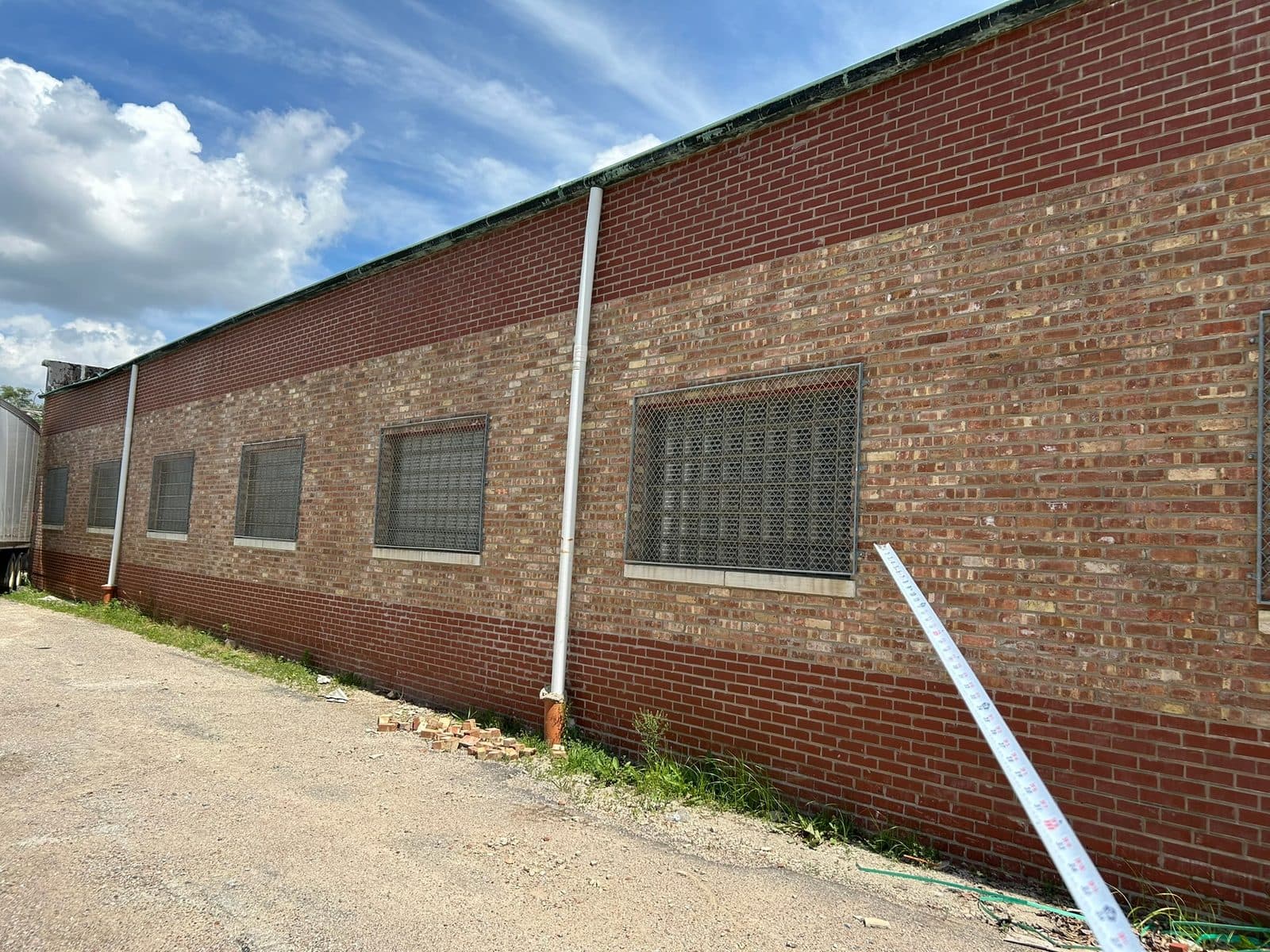
Tuckpointing in Palos Hills, IL
Paul Lally's Masonry Inc. provides professional tuckpointing in Palos Hills, IL — grinding out failed, cracked, and receding mortar joints and repointing them with fresh, color- and profile-matched mortar so your brick sheds water again. We are a family-owned masonry contractor based in Palos Heights, serving Palos Hills and the surrounding SW Cook County suburbs since 1988. If the joints on your home, chimney, or commercial building are crumbling to sand, call (708) 448-8866 for a free on-site estimate.
What tuckpointing actually is
Tuckpointing — used interchangeably with repointing in the field — is the repair of the mortar joints between bricks. Over time, mortar is the part of a wall that fails first. It is softer than brick by design, so it takes the beating from weather, movement, and moisture and slowly wears away. When it does, the brick loses its bond, its weather seal, and its structural support at the joint.
The work is straightforward in concept and demanding in execution: the deteriorated mortar is ground out to a proper depth, the joints are cleaned, and fresh mortar is packed in and tooled to match the existing wall. Done correctly, the wall is watertight and sound again. Done poorly — shallow grinding, wrong mortar, sloppy tooling — it fails within a few years and often looks worse than before.
Signs your brick needs tuckpointing
You do not need to be a mason to spot the warning signs. On Palos Hills brick homes and buildings, watch for:
- Cracked or crumbling mortar — joints that flake, powder, or shed sand when you rub them.
- Recessed joints — mortar that has worn back deeper than the face of the brick, leaving a shadow line or a gap you can fit a key or coin into.
- Spalling brick — brick faces that are popping, flaking, or breaking apart, usually because trapped water froze inside them.
- Efflorescence — the chalky white staining that appears when water moves through masonry and leaves mineral salts behind.
- Damp interior walls or a musty basement — a sign water is finding its way through failed joints.
- Loose or shifting brick — the most serious sign, meaning the mortar is no longer doing its job.
If you see one or two of these, it is time to have the wall looked at. If you see several, the wall is already letting water in.
The risk of waiting
Mortar failure is not cosmetic and it does not stay put. Once joints open up, water gets behind the brick. In the Palos Hills climate that water freezes and thaws over and over through the winter, expanding each time it freezes and prying the masonry apart a little more. Small open joints become spalling brick, spalling brick becomes displaced brick, and what would have been a straightforward tuckpointing job turns into brick replacement, lintel work, or a full section rebuild.
The honest truth is that tuckpointing is one of the least expensive things you can do to protect a masonry building — and it gets more expensive to ignore every season. Catching it early is always the cheaper path.
Our tuckpointing process
We do not rush joints and we do not hide shortcuts behind a smear of surface mortar. Here is how Paul Lally's Masonry Inc. approaches a tuckpointing job:
- Assessment. We look at the whole wall, identify how far the deterioration runs, and check the brick and joints for underlying issues before we quote anything.
- Grinding out. Failed mortar is cut out to a correct, consistent depth — deep enough for the new mortar to bond and hold, not just a cosmetic skim.
- Cleaning. Joints are cleared of dust and loose debris so the fresh mortar bonds to solid material.
- Repointing. Mortar is packed fully into the joints in proper lifts — no voids, no hollow spots.
- Tooling and matching. Joints are tooled to the right profile to shed water and to match the surrounding wall, and the color and texture are matched so the repair blends in.
- Cleanup. We leave the wall and the site clean.
Materials and mortar matching
This is where good tuckpointing separates itself, and where directory listings and thin contractor pages go quiet. Mortar is not one product. The strength and composition of the mortar must suit the brick it is bonding.
Many older Palos Hills homes are built with softer, more porous historic brick. That brick needs a softer, lime-rich mortar that can flex and breathe with it. Packing hard, high-strength modern mortar against soft old brick is a classic mistake — the rigid mortar does not give, so the brick takes the stress instead and spalls. On newer and harder brick and on commercial masonry, a Type N or Type S mortar is usually the right call, with Type S where added compressive strength is warranted. Choosing correctly is a judgment call that comes from experience, not a default bag off the shelf.
Just as important is color, texture, and profile matching. We match the new mortar to the aged color of your existing joints and tool it to the same profile so a repair reads as part of the wall — not a patch. On a visible front elevation, that difference is the difference between a repair you notice and one you don't.
What drives the cost
There is no flat rate for tuckpointing, and anyone quoting one sight-unseen is guessing. The real cost of your job depends on a handful of honest factors:
- Wall height and access — ground-level work versus a second story or a tight side-yard changes the setup.
- Scaffolding — taller elevations and chimneys often require staging, which affects the job.
- Scope — spot repointing of a few failing areas versus a full wall or full-building repoint.
- Extent of damage — lightly worn joints versus deep deterioration or brick that needs attention too.
- Mortar matching — matching an unusual color, an aged joint, or a historic mortar takes more care.
Because every wall is different, we come out, look at the actual masonry, and give you a real number — not a range pulled out of the air. Estimates are free and there is never any pressure.
Tuckpointing in Palos Hills
Palos Hills sits in southwest Cook County, up against the Cook County forest preserves and Moraine Valley, and much of its housing stock is exactly the kind of masonry that needs attention: older brick homes, mid-century ranches, and brick bungalows now decades into their service life. That age is the point — brick lasts generations, but mortar does not, and a lot of joints around Palos Hills are simply at the end of their first run.
The local climate accelerates it. Freeze-thaw cycling through the winter and lake-effect moisture off Lake Michigan work into every open joint, freezing and expanding again and again. Homes backing up to the forest preserves and the wetter, shadier lots hold that moisture longer, which is why we see mortar opening up on the north and weather-facing walls first. Repointing before winter is the move — a sealed joint keeps that moisture out of the wall entirely.
Why Palos Hills homeowners call Paul Lally's Masonry Inc.
We have been doing this since 1988. Paul Lally's Masonry Inc. is a family-owned business, and the Lally name is on every job we do — which is exactly why we don't cut corners on mortar depth or matching. We are insured, and we work on both residential and commercial masonry. You will get a plain-spoken explanation of what your wall actually needs, why it needs it, and no upsell for work that isn't warranted.
Paul Lally's Masonry Inc. is a family-owned, insured masonry contractor serving Chicago and the Chicagoland suburbs since 1988 — tuckpointing, brick repair and replacement, chimney repair and rebuilds, lintel replacement, masonry restoration, and waterproofing for residential and commercial properties. Built on Craftsmanship. Backed by Experience. Free on-site estimates — call (708) 448-8866.
Related masonry services
Tuckpointing often goes hand in hand with other repairs we handle:
- tuckpointing & repointing — full mortar joint restoration for homes and buildings.
- brick repair — replacing spalled, cracked, or displaced brick.
- chimney repair & rebuilds — one of the most common places mortar fails first.
Get a free on-site estimate in Palos Hills
If the mortar on your Palos Hills home or building is cracked, crumbling, or letting water in, don't wait for winter to make it worse. Reach out through our contact page or call (708) 448-8866 for a free, no-pressure on-site estimate from a family-owned contractor who has been repointing SW Cook County masonry since 1988. Built on Craftsmanship. Backed by Experience.
Tuckpointing & Repointing in Palos Hills, IL — Frequently Asked Questions
What is tuckpointing and how is it different from repointing?
Tuckpointing is the process of grinding out deteriorated mortar between bricks and packing in fresh mortar to restore the joint. In everyday use the terms tuckpointing and repointing are often interchangeable; both describe replacing failed mortar so the wall sheds water again. The brick itself stays in place — only the mortar joints are renewed.
How do I know if my Palos Hills brick home needs tuckpointing?
Look for mortar that is cracked, powdery, or recessed deeper than the brick face, plus gaps you can slide a key into. Spalling brick faces, damp interior walls, and white efflorescence staining are also signs water is getting in. If joints are crumbling to sand when touched, it is time for a free on-site evaluation.
What does tuckpointing cost in Palos Hills?
Cost depends on the drivers, not a flat rate — wall height and access, how much of the wall needs repointing, the extent of existing damage, mortar color and profile matching, and whether scaffolding is required. Every situation is different, which is why Paul Lally's Masonry Inc. looks at the actual walls before quoting. We provide a free on-site estimate so you get a real number for your property.
Will the new mortar match my existing brick and joints?
Yes. We match mortar color, texture, and joint profile to blend the repair into the surrounding wall so it does not look patched. On older Palos Hills homes we also match mortar strength to the brick — softer lime-based mortar for older soft brick, Type N or Type S where appropriate — so the repair protects the masonry instead of stressing it.
How long does tuckpointing last?
Properly ground-out and repacked joints with the correct mortar can last for decades. Longevity depends on using a mortar that suits the brick, packing the joints fully, and tooling them to shed water. Cutting corners on mortar type or depth is what causes early failure, which is why we do it right the first time.
Tuckpointing & Repointing in Nearby Areas
Other Masonry Services in Palos Hills, IL
Learn more about our tuckpointing & repointing services across Chicagoland, or view all service areas.
Free on-site estimates across Chicagoland.