
Tuckpointing & Repointing · Palos Park, IL
Tuckpointing in Palos Park, IL — Brick & Mortar Joint Repair
Sandy, receding mortar joints let water into your Palos Park brick — and freeze-thaw winters only make it worse. Paul Lally's Masonry Inc. grinds out the failed mortar and repoints it clean and solid, family-owned since 1988.
Quick Answer
Paul Lally's Masonry Inc. provides tuckpointing in Palos Park, IL — grinding out failed, crumbling mortar joints and repointing them with color- and type-matched mortar so your brick sheds water again. Family-owned and serving Chicagoland since 1988, insured. Free on-site estimates — call (708) 448-8866.
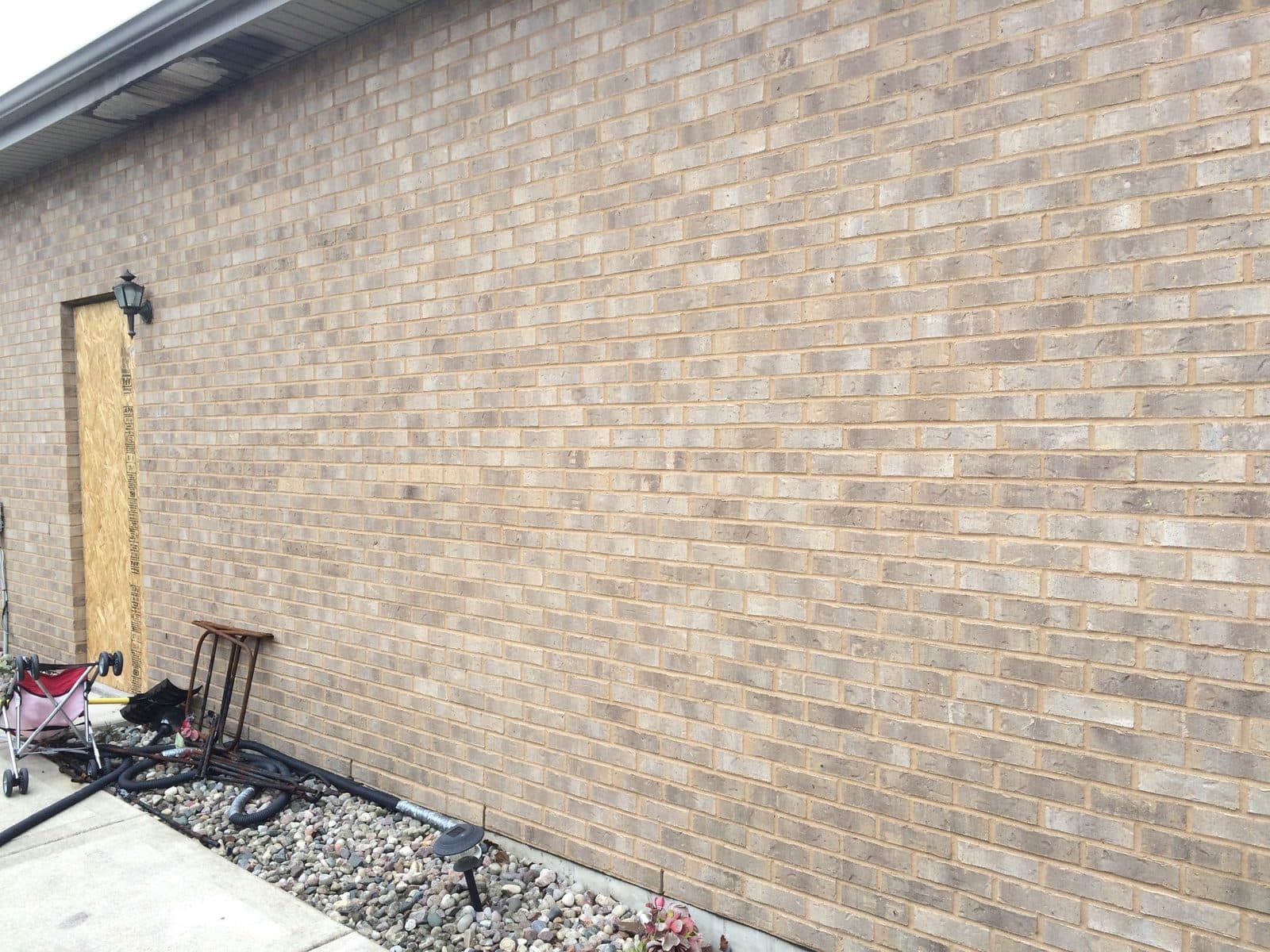
Tuckpointing in Palos Park, IL — restore the joints before water gets in
The mortar between your bricks is the first thing to wear out on a masonry home, and in Palos Park it wears out a little faster than most. The village's wooded lots and heavy tree canopy keep brick walls shaded and damp, and every Chicago winter drives water into the joints and freezes it. Paul Lally's Masonry Inc. grinds out that failed mortar and repoints it with matched mortar, so your brick sheds water and stands solid again. Family-owned and serving Chicagoland since 1988, insured — our name is on every job. Free on-site estimates: (708) 448-8866.
What tuckpointing actually is
Tuckpointing — what many homeowners also call repointing — is the repair of your mortar joints. A mason grinds or rakes out the old, deteriorated mortar to a sound depth and packs in fresh mortar, then tools the joints to shed water and match the look of the wall. It is not a cosmetic patch over the surface; done right, it goes back to solid mortar and rebuilds the joint.
Mortar is sacrificial by design — it is meant to wear before your brick does. When it crumbles, that is the system working, but it also means the clock is running: once the joints are open, the brick is exposed.
Signs your Palos Park home needs tuckpointing
- Receding or sandy joints — mortar sitting back from the brick face, or crumbling to dust when you touch it.
- Gaps and missing mortar — open lines you can fit a key or screwdriver into.
- Cracked mortar joints, especially stair-step cracks following the joints.
- Loose, shifting, or hollow-sounding bricks.
- White efflorescence or staining on the brick — a sign water is moving through the wall.
- Damp interior walls or musty smells on an adjoining inside wall.
A quick test: drag a key along a joint. If mortar falls out easily, those joints are failing and should be repointed.
The risk of waiting
Open mortar joints are an open door for water. Once moisture is in the wall, Palos Park's freeze-thaw winters expand and contract it, widening cracks, spalling brick faces, and loosening bricks over time. A wall that needs simple repointing this year can need brick replacement — or rebuilding a section — in a few more. Tuckpointing is one of the highest-value repairs in masonry precisely because it is cheap insurance against the much larger jobs that follow neglect.
Our tuckpointing process
- Free on-site inspection. We look at the actual joints, the brick, and where water is getting in — and tell you what truly needs doing versus what can wait.
- Grind and rake the joints. We cut out the failed mortar to a sound depth without chewing up the surrounding brick.
- Match the mortar. We match color, texture, and joint profile, and choose the correct mortar type for your brick.
- Repoint and tool. Fresh mortar is packed in and tooled to shed water and blend with the wall.
- Clean up. We finish the joints, clean the brick, and leave the site neat.
Materials and mortar matching
Matching mortar is where experience shows. On Palos Park's older brick homes and ranches, the original mortar is often softer than modern mix. Use a hard, high-strength Portland mortar on soft brick and the brick — not the mortar — becomes the sacrificial part, leading to spalling. We match the type (a softer Type N–style mix where the brick calls for it, a stronger mix where it is appropriate) along with color and joint profile, so the repair protects the brick and disappears into the wall.
What drives the cost of tuckpointing
We never publish a flat price, because every wall is different. What moves the number:
- Scope — a few problem joints versus a whole elevation or the entire house.
- Height and access — upper stories, tight side yards, and landscaping that needs working around add setup.
- Extent of damage — joints that are merely sandy versus brick that has already spalled or shifted.
- Mortar matching — closely matching an older, custom brick takes more care than a standard modern wall.
The only honest number is a free on-site estimate — (708) 448-8866.
Palos Park brick: why local context matters
Palos Park sits among the Cook County Forest Preserves, and that setting shapes how masonry ages here. Mature trees shade north- and east-facing walls so they dry slowly after rain and snow, holding moisture against the mortar longer than a wall in full sun. Many homes are 1950s–1980s ranches, split-levels, and custom brick houses now reaching the age where the original mortar has simply worn out. Add the region's hard freeze-thaw swings — water soaks into an open joint, freezes overnight, expands, and pries the joint wider — and you get the classic Chicagoland pattern of sandy, receding joints and the first spalled brick faces. None of this is unusual or alarming; it is the normal life cycle of a brick wall, and tuckpointing is how you reset that clock.
How long does tuckpointing last?
Done correctly — joints cut to a sound depth, the right mortar properly matched and tooled — a tuckpointing job can protect a wall for decades. The difference between a repair that lasts and one that fails early comes down to depth, mortar choice, and tooling, which is exactly where shortcuts show up later. We do it once, the right way, so you are not repointing the same wall again in a few years.
Why Palos Park homeowners call Paul Lally's Masonry Inc.
Palos Park is an established, tree-lined village, and many of its brick homes have reached the age where the original mortar is giving out. Paul Lally's Masonry Inc. is a family-owned, insured masonry contractor serving Chicago and the Chicagoland suburbs since 1988 — tuckpointing, brick repair and replacement, chimney repair and rebuilds, lintel replacement, masonry restoration, and waterproofing for residential and commercial properties. We tell you honestly what your joints need, we match your mortar so the work blends in, and we stand behind it because the family name is on every job. Built on Craftsmanship. Backed by Experience. Free on-site estimates — call (708) 448-8866.
Related services
- Tuckpointing and repointing — full details on how we restore mortar joints.
- Brick repair and replacement — for brick that has already spalled or cracked.
- Masonry sealing and waterproofing — to protect freshly repointed brick.
- Chimney repair and rebuilds — chimneys are usually the first joints to fail.
Noticing sandy joints or staining on your brick? Call Paul Lally's Masonry Inc. at (708) 448-8866 or request a free estimate.
Tuckpointing & Repointing in Palos Park, IL — Frequently Asked Questions
How much does tuckpointing cost in Palos Park, IL?
There is no flat rate — the cost depends on how much wall needs repointing, the height and access, how badly the joints have eroded, and how closely the mortar has to be matched on an older home. A few problem areas are far simpler than a whole elevation. The only accurate figure is a free on-site estimate from Paul Lally's Masonry Inc.
How do I know if my Palos Park home needs tuckpointing?
Look for mortar joints that are receding, sandy, cracked, or missing chunks, gaps you can slip a key into, loose or shifting bricks, and white efflorescence staining on the brick. If you can rake mortar out with a screwdriver, the joints are failing and water is getting in.
What is the difference between tuckpointing and repointing?
In everyday use most homeowners and masons use the words interchangeably to mean the same repair: grinding out the old, failed mortar and packing in fresh mortar. Strictly, repointing renews the joints and traditional tuckpointing also adds a fine contrasting line for looks. When you call us about 'tuckpointing,' we mean restoring your joints so the wall is sound and watertight.
Why does mortar fail faster on older Palos Park homes?
Mortar is sacrificial — it is meant to wear before the brick does, and decades of Chicago freeze-thaw cycles erode it. In Palos Park's wooded lots, shade and tree canopy keep walls damp longer, which speeds the breakdown. Older brick also needs a softer, properly matched mortar, not hard modern mix that can damage the brick.
Can you match the mortar on my existing brick?
Yes. We match mortar color, texture, and joint profile, and we choose the right mortar type for your brick — a softer mix on older, softer brick so the repair moves with the wall instead of cracking it. A good match blends in so the repointed area does not stand out from the rest of the house.
What happens if I put off tuckpointing?
Open joints let water into the wall, where freeze-thaw cycles widen cracks, spall the brick faces, and eventually loosen bricks. What starts as a simple repointing job can turn into brick replacement or rebuilding a section. Catching it early is always the smaller, simpler fix.
Do you tuckpoint chimneys and small areas, or only whole walls?
Both. We repoint chimneys, a single problem elevation, a few feet of failing joints, or a whole house — whatever your brick actually needs. At the free estimate we tell you honestly whether a spot repair will hold or whether a larger area should be done at once.
Tuckpointing & Repointing in Nearby Areas
Other Masonry Services in Palos Park, IL
Learn more about our tuckpointing & repointing services across Chicagoland, or view all service areas.
Free on-site estimates across Chicagoland.