
Waterproofing & Sealing · Homer Glen, IL
Masonry Waterproofing in Homer Glen, IL — Brick Sealing That Lasts
Masonry waterproofing protects Homer Glen brick from freeze-thaw damage, efflorescence, and interior moisture — but only when the right breathable sealer goes on sound mortar. Paul Lally's Masonry Inc. has sealed Chicagoland brick since 1988.
Quick Answer
Masonry waterproofing in Homer Glen, IL is the process of applying a breathable, penetrating sealer to brick and mortar so water stays out while trapped vapor can still escape. Paul Lally's Masonry Inc. has waterproofed and sealed Chicagoland brick since 1988 — always repairing failing mortar first. Free on-site estimates: call (708) 448-8866.
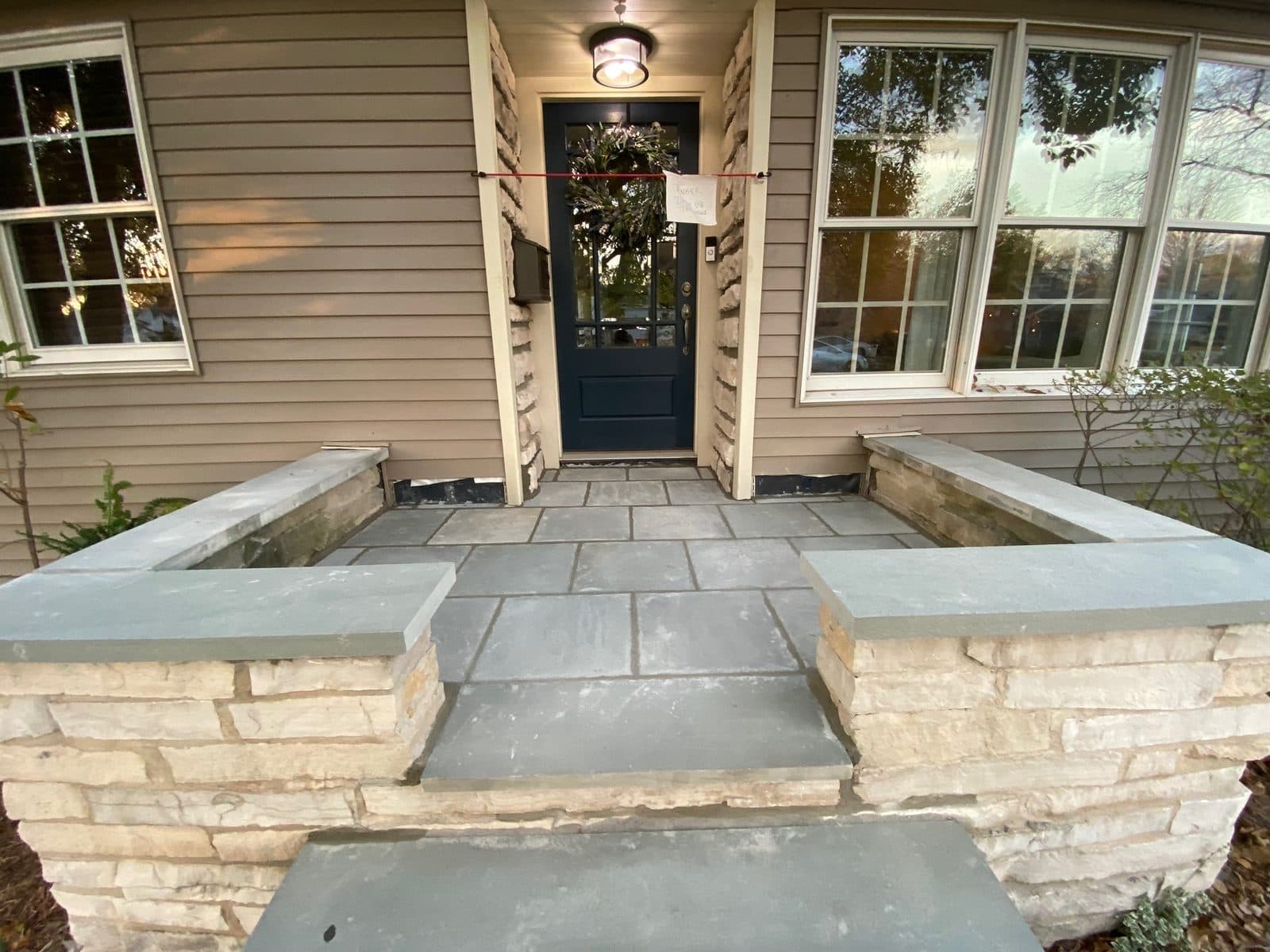
Brick looks permanent, but it isn't waterproof. Every brick wall in Homer Glen drinks in rain and snowmelt, and in our Will County winters that absorbed water freezes, expands, and slowly tears the masonry apart from the inside. Masonry waterproofing in Homer Glen, IL is how you stop that cycle — by sealing the brick and mortar with a breathable, penetrating sealer that keeps liquid water out while still letting the wall breathe. Done right, on sound mortar, it's one of the cheapest things you can do to add decades to your brick. Done wrong — the wrong sealer, or sealing over failing joints — it can make the damage worse.
What masonry waterproofing actually is
Masonry waterproofing is the application of a clear, penetrating sealer to brick, block, and mortar so the wall sheds water instead of soaking it up. It isn't paint and it isn't a coating you can see. A proper masonry sealer soaks into the pores of the brick and mortar, lines those pores so liquid water beads off, and then disappears — leaving the brick looking exactly as it did before, just dry.
That "soaks in and disappears" part is the whole game. The brick still needs to breathe. Trapped moisture from inside the home, or water that gets behind the wall, has to be able to escape as vapor. A good sealer blocks liquid water coming in while still letting vapor pass out. That's what we mean by breathable, or vapor-permeable.
Why a breathable sealer matters — and a film will ruin your brick
Walk into any hardware store and you'll find glossy "waterproofing" coatings that form a film on the surface. On Chicagoland brick, those are a trap. Here's why: brick always carries some moisture, and a film-forming sealer locks that moisture inside the brick. When winter hits and that trapped water freezes, it has nowhere to go — so it pushes the face of the brick off. That flaking, crumbling face is called spalling, and a film sealer accelerates it.
A breathable silane/siloxane penetrating sealer does the opposite. It blocks wind-driven rain from soaking in, but vapor still escapes, so the brick never becomes a sealed-up sponge. This is the single most important decision in any waterproofing job, and it's why we never use film-forming products on historic or freeze-thaw-exposed masonry.
Signs your Homer Glen brick needs waterproofing
You don't seal brick just because it's there. Watch for these:
- Efflorescence — the white, chalky, salt-like powder on the brick face. It means water is moving through the masonry, dissolving salts and carrying them to the surface.
- Damp or musty interior walls — especially on the weather side of the house (south and west faces take the worst of it here).
- Early spalling — flaking, pitting, or popping on the brick face is a sign water is getting in and freezing.
- Saturated, dark brick that stays wet long after the rain stops.
- Peeling interior paint or staining near exterior masonry walls.
If you're seeing these, the brick is telling you it's drinking water. The fix is rarely just sealing, though — which is the most important thing to understand before you spend a dollar.
Tuckpointing first, then sealing — never the other way around
Here's the rule we live by: you never seal a wall with failing mortar. Mortar joints are the most common path water takes into a brick wall. If those joints are cracked, receding, or crumbling, sealing the brick face just locks water behind a coating and hides a problem that keeps getting worse.
So the honest sequence is:
- Inspect the wall for failing joints, cracked brick, and water entry points.
- Tuckpoint or repoint any deteriorated mortar so the joints are sound.
- Clean the brick and remove efflorescence and surface contamination.
- Seal with a breathable penetrating sealer once the wall is genuinely watertight.
If a contractor wants to spray sealer on without checking the mortar, that's a red flag. At Paul Lally's Masonry Inc. we'd rather repoint your worst joints and tell you the rest can wait than sell you a coating over a problem.
Materials we use
We waterproof with silane and siloxane penetrating sealers — the breathable, vapor-permeable kind that bonds inside the masonry rather than sitting on top of it. These are chosen to match the porosity of your specific brick, because a sealer that works on dense commercial block isn't right for a softer residential face brick. Where mortar work is needed first, we color- and profile-match the mortar so repairs disappear into the original wall. No glossy films, no shortcuts.
What drives the cost of waterproofing
We don't publish prices, because no two walls are the same — but here's what moves the number, so you know what you're paying for:
- Square footage of wall to be sealed.
- Surface prep — how much cleaning, efflorescence removal, and washing the brick needs before sealing.
- Repairs first — whether tuckpointing, repointing, or brick repair has to happen before the sealer goes on.
- Access and height — upper stories, chimneys, and parapets need ladders, lifts, or scaffolding.
The only way to get a real number is a free on-site estimate, where we look at the actual brick and put it in writing — no pressure, no guesswork.
Homer Glen local context
Homer Glen sits in Will County, where a lot of the housing stock is newer, larger brick and brick-veneer homes on bigger lots. That changes the waterproofing picture in two ways. First, many of these homes have generous brick elevations and chimneys that take direct sun and wind-driven rain — prime candidates for sealing once the mortar is sound. Second, drainage and grade matter a lot out here; water that pools against a foundation or splashes back onto lower courses of brick will undo any sealer. We look at the whole picture — the brick, the joints, and how water moves around the house — so the waterproofing actually solves the problem. And like everywhere in Chicagoland, the freeze-thaw cycle is relentless: water that gets into brick in November is ice by January, and that's what waterproofing is built to prevent.
Paul Lally's Masonry Inc. is a family-owned, insured masonry contractor serving Chicago and the Chicagoland suburbs since 1988 — tuckpointing, brick repair and replacement, chimney repair and rebuilds, lintel replacement, masonry restoration, and waterproofing for residential and commercial properties. Built on Craftsmanship. Backed by Experience. Free on-site estimates — call (708) 448-8866.
Why Homer Glen homeowners call Paul Lally's Masonry Inc.
We've been sealing and protecting Chicagoland brick since 1988, and our name is on every job — so we'd rather tell you the truth about what your wall needs than sell you a coating you don't. We're family-owned, insured, and we handle the full job: repoint the failing joints with tuckpointing, clean the brick, and seal it with a breathable penetrating sealer. When a wall needs more than sealing, our masonry restoration crew brings it back. Built on Craftsmanship. Backed by Experience.
If your Homer Glen brick is showing efflorescence, staying wet, or starting to flake, don't wait for another freeze-thaw winter to make it worse. Call Paul Lally's Masonry Inc. at (708) 448-8866 or request your free on-site estimate today.
Waterproofing & Sealing in Homer Glen, IL — Frequently Asked Questions
Do I need to seal my brick?
Not every wall needs sealing, but Homer Glen brick that shows efflorescence, damp interior walls, or early spalling usually benefits from a breathable penetrating sealer. The key is timing — you seal after the mortar is sound, not before. A free on-site inspection tells you whether your brick is a good candidate.
How much does masonry waterproofing cost in Homer Glen, IL?
There's no flat rate — cost depends on the square footage of wall, how much surface prep and cleaning the brick needs, and whether any tuckpointing or repairs must happen first. The only accurate figure is a free on-site estimate, which Paul Lally's Masonry Inc. provides in writing.
What's the difference between a breathable sealer and a film sealer?
A breathable (vapor-permeable) sealer soaks into the brick and blocks liquid water while still letting trapped moisture vapor escape. A film-forming sealer coats the surface and traps moisture inside, which accelerates spalling in our freeze-thaw climate. We use penetrating, breathable sealers — never a glossy film.
Will waterproofing stop my basement from leaking?
Exterior brick sealing reduces water soaking through above-grade masonry, but a leaking basement usually involves grade, drainage, or below-grade issues too. We'll tell you honestly during the estimate whether sealing addresses your problem or whether drainage and tuckpointing need to come first.
Do you have to tuckpoint before sealing?
Yes, if the mortar joints are failing. Sealing over crumbling mortar just locks water behind a coating and hides the real problem. Paul Lally's Masonry Inc. repoints failing joints first, then seals — so the wall is genuinely watertight, not just coated.
How long does masonry waterproofing last?
A quality penetrating sealer on properly prepped brick typically protects for several years before it needs reapplication, depending on sun exposure and weathering. We'll recommend a realistic re-seal interval for your specific walls during the estimate.
Can waterproofing remove efflorescence?
Efflorescence — the white, chalky salt deposit on brick — is cleaned off as part of surface prep before sealing, and sealing helps slow its return by keeping water from carrying salts to the surface. Persistent efflorescence can signal a deeper moisture source we'll want to identify first.
Waterproofing & Sealing in Nearby Areas
Other Masonry Services in Homer Glen, IL
Learn more about our waterproofing & sealing services across Chicagoland, or view all service areas.
Free on-site estimates across Chicagoland.