
Commercial Masonry · Chicagoland, IL
A Commercial Masonry Maintenance Schedule: What Chicagoland Building Owners Should Check Every Year, Every Five Years and Every Twenty
Most commercial masonry repairs get expensive because nobody looked until something leaked or fell. Here's a practical maintenance schedule for brick and block buildings in Chicagoland: what to check each year, what comes due every few years, and what to plan for over decades.
2026-10-30
Quick Answer
A commercial masonry maintenance schedule for Chicagoland buildings: walk the roof, parapets, coping and sealant every year; replace sealant and spot-repoint about every 5 to 10 years; plan full repointing of exposed elevations every 20 to 30 years. Paul Lally's Masonry, family-owned and insured since 1988, builds and carries out these plans: (708) 448-8866.
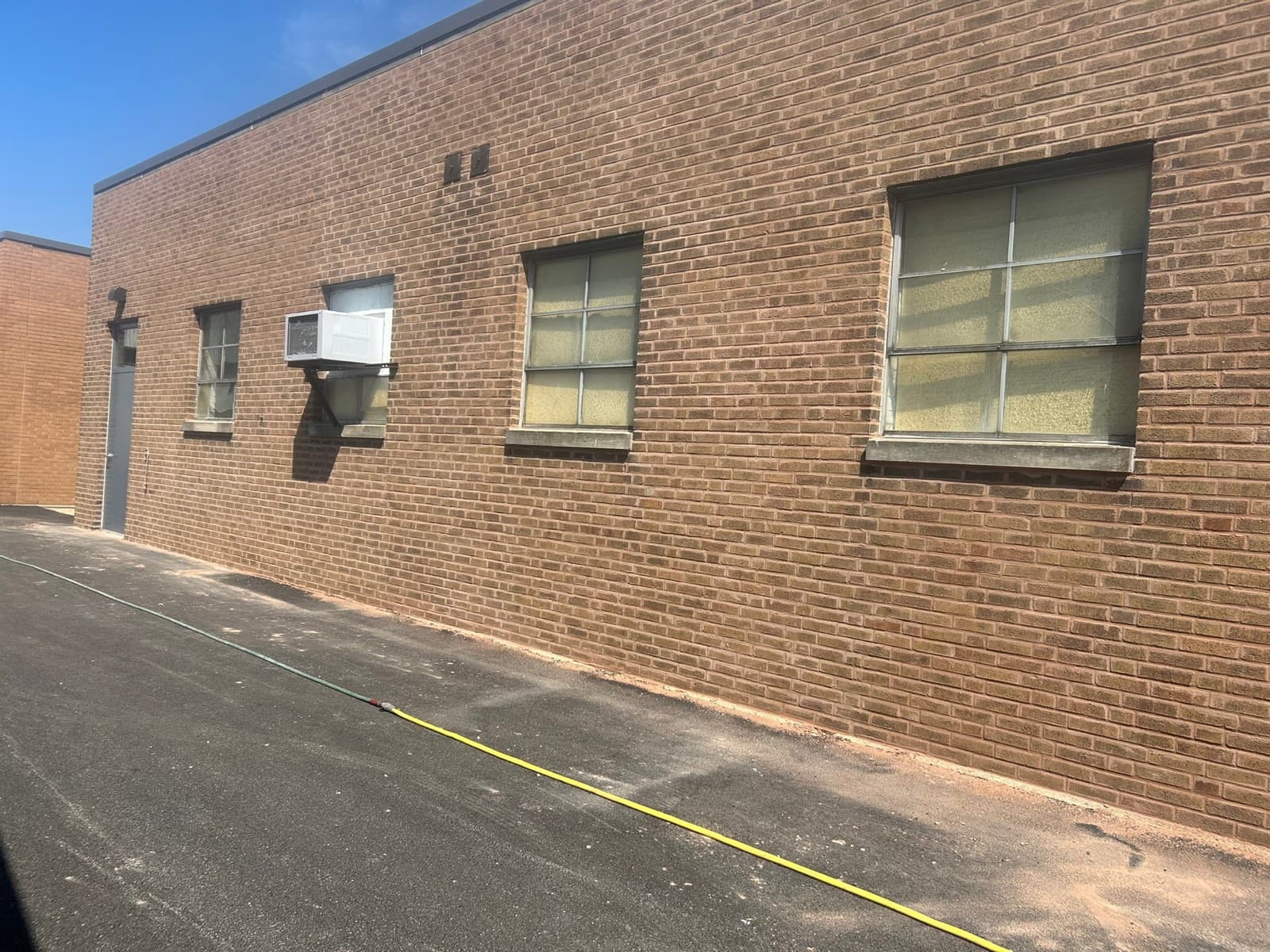
A Commercial Masonry Maintenance Schedule for Chicagoland Building Owners
A commercial masonry maintenance schedule for a Chicagoland brick or block building is simple:
- Every year: walk the roof, the parapets and coping, and the sealant joints, and look at the steel over openings.
- Every 5 to 10 years: replace sealant where it's failing and spot-tuckpoint the most exposed areas.
- Every 20 to 30 years: plan full repointing of the weather-facing elevations, along with any lintel and parapet rebuilds the yearly walks have turned up.
Paul Lally's Masonry, a family-owned, insured masonry contractor serving Chicagoland since 1988, builds and carries out these plans for property managers, condo and HOA boards, churches, schools and single-building owners. Call (708) 448-8866 for a free on-site estimate.
Most expensive masonry jobs share one cause: nobody looked until something leaked inside or dropped onto the sidewalk. Masonry is durable, but it isn't maintenance-free. The parts that fail first are small, cheap to fix early and easy to miss from the parking lot.
Masonry doesn't fail all at once. It fails at the edges first: the top of the wall, the joints, the steel over the openings. Watch the edges and the middle of the wall takes care of itself.
Why commercial masonry needs a maintenance schedule
A brick or block wall is a system. The brick or block carries the weather. The mortar joints are the sacrificial part, softer than the brick and meant to be renewed. Sealant closes the movement joints and the gaps around windows and trim. Flashing and weep holes collect water that gets in and send it back out. Steel lintels and shelf angles carry the masonry over openings. The parapet and coping cap the top of the wall.
Every one of those parts has a different service life. Sealant might last 10 to 20 years. Mortar on an exposed parapet might last 15 to 25. Mortar on a sheltered wall can last much longer. A maintenance schedule simply lines up those service lives so you replace the short-life parts on time instead of finding out about them through a ceiling stain.
What the Chicago climate does to masonry
Chicagoland gets dozens of freeze-thaw cycles a winter. Water that soaks into brick, block or open mortar joints freezes, expands and pushes the material apart a little more each time. Add road and sidewalk salt, wind-driven rain off the lake and long, wet springs, and the exposed parts of a commercial building take a real beating. That's why the same building can have perfect mortar on one side and crumbling joints on the parapet above it.
The commercial masonry maintenance schedule at a glance
| Frequency | What to do | Why |
|---|---|---|
| Every year (spring) | Walk the roof, parapets, coping, rooftop masonry; check sealant, lintels, grade-level masonry; look for interior stains | Catches freeze-thaw damage while it's still small |
| After major storms | Check parapets, coping and chimneys for loose or displaced units | Wind and ice can loosen masonry at the top of the wall |
| Every 3 to 5 years | Detailed elevation-by-elevation review with photos; clear weep holes; check control joints | Builds a record so you can see what's changing |
| Every 5 to 10 years | Replace failing sealant; spot-tuckpoint parapets, chimneys, corners and weather side; reset loose coping | The short-life parts come due here |
| Every 10 to 20 years | Replace sealant on most elevations; inspect and repair lintels with rust jacking; reapply breathable repellent where used | Sealant and repellents wear out on a cycle |
| Every 20 to 30 years | Full repointing of exposed elevations; parapet rebuilds where needed; lintel replacement programs | The big capital items |
These ranges are typical, not promises. A south-facing parapet on a building near a busy, salted road can come due much sooner than a sheltered courtyard wall.
The yearly walk: what to look for
You don't need a mason for every yearly check, but you do need to know what you're looking at. Here's the list we give owners and property managers.
On the roof
- Coping: stones or metal caps that have shifted, cracked or lost their mortar or sealant at the joints.
- Parapet: open mortar joints, cracked or leaning brick, plants growing out of joints.
- Rooftop masonry: stair towers, elevator penthouses, chimneys and fire walls, all exposed on every side.
- Flashing: counterflashing pulled out of the masonry where the roof meets the wall.
On the walls
- Sealant joints: split, shrunken, hard, or pulled away from one side.
- Steel lintels: rust staining, a crack fanning up from the corners of an opening, or a horizontal crack along the top of the steel.
- Cracks: stair-step cracks in brick or block, vertical cracks in long block walls.
- Efflorescence: white salt staining, a sign water is moving through the wall.
- Spalling: brick or block faces popping off, especially near grade and below parapets.
At grade and inside
- The base of the wall next to salted walks, lots and drive lanes.
- Weep holes that are blocked with mortar, mulch or debris.
- Interior stains on top-floor ceilings and on the inside face of exterior walls.
Write down what you find, with photos and the location. Next year's walk is twice as useful when you can compare.
The 5-to-10-year items: sealant and spot repointing
Sealant replacement
Sealant is the shortest-life part of most commercial facades and one of the most common leak sources. Proper replacement means cutting out the old sealant completely, cleaning the joint, installing backer rod to the right depth, priming where the product calls for it and tooling a new bead. Caulking over old caulk doesn't last.
Spot tuckpointing
Tuckpointing (or repointing) means grinding out deteriorated mortar to a sufficient depth for the new mortar to bond properly, then packing and tooling new mortar matched to the existing joints. On a maintenance cycle, it's targeted at the areas that wear fastest: parapets, chimneys, corners and the weather-facing elevation. Done on time, it keeps water out of the wall so the brick and steel inside last.
The long-cycle items: full repointing, lintels and parapets
Full repointing
When the mortar across a whole elevation has worn back, spot repairs stop making sense. Full repointing of an elevation is the biggest routine masonry item on most buildings, and it's best planned years ahead and phased by elevation.
Lintel programs
Steel lintels over windows, doors and storefronts all rust at about the same rate on a given building. When one starts rust jacking (swelling and lifting the brick above it), the others usually aren't far behind. A lintel program replaces the worst first and schedules the rest, with the wall shored, new galvanized or primed steel installed, and through-wall flashing with end dams and weep holes added.
Parapet rebuilds
A parapet is exposed on both faces and the top, so it wears out first. When it's leaning, badly cracked or loose, repointing isn't enough and the parapet needs to be taken down and rebuilt with new flashing under the coping.
The order to fix things in
When a walk turns up more than you can do in one year, rank it:
- Overhead hazards: anything loose above people. Coping, parapet brick, lintels over entrances.
- Active water entry: open joints, failed sealant, coping and flashing letting water in.
- Deterioration: worn mortar, spalling and cracks that aren't leaking yet.
- Appearance: staining, mismatched patches, old paint.
That order protects people first and the building second, and it turns a long list into a multi-year plan a board or owner can actually budget.
Materials and techniques that make maintenance last
- Mortar matched to the wall: Type N for most brick, Type S for block and below-grade work, lime-rich mortar on older soft brick. Mortar harder than the brick causes the brick to crack instead of the joint.
- Mortar color and joint profile matched so repairs don't stand out.
- Commercial sealant with backer rod, sized for the joint's movement.
- Galvanized or primed and painted steel for replacement lintels.
- Through-wall flashing with end dams, drip edges and weep vents.
- Breathable silane or siloxane repellents where a repellent is worth using, never film-forming paint on wet masonry.
What drives the cost of commercial masonry maintenance
We don't publish prices, because every building is different. What drives the cost:
- Height and access: ladders, lifts, swing stages or scaffolding.
- Scope: linear feet of sealant, square feet of repointing, number of lintels.
- Condition: how far damage has gone since the last time anyone looked.
- Mortar and brick matching on older or unusual buildings.
- Phasing and protection around tenants, customers, worshippers or students.
The single biggest cost driver is time. A yearly walk and a written plan keep most items in the "repair" column instead of the "rebuild" column. For a number on your building, call (708) 448-8866 for a free on-site estimate.
DIY vs. hiring a pro
Building staff can do the yearly walk with the checklist above, and they should. The repairs themselves are a different matter. Sealant applied over old sealant, mortar that's too hard, a film sealer on a wet wall, or a rusted lintel painted over instead of replaced all look fine for a season and make the next repair bigger. Work above the roofline or over walkways also brings fall and falling-object risks that need proper equipment and insurance.
Chicagoland building types and what to watch
| Building type | Watch most closely |
|---|---|
| Condo and apartment buildings | Parapets, balconies, rear-wall lintels, chimneys |
| Churches | Bell towers and steeples, stone trim, large window openings |
| Schools | Long block walls and control joints, gym and auditorium parapets |
| Strip retail and storefronts | Storefront lintels, front parapets, sign bands |
| Office and medical buildings | Window sealant, shelf angles, brick veneer at corners |
| Warehouse and light industrial | Block at overhead doors, painted block, block parapets under metal coping |
Across Cook, DuPage and Will counties, we see the same pattern on all of them: the exposed edges fail first, and the owners who check them every year spend the least.
Related services
- Commercial masonry restoration
- Tuckpointing and repointing
- Caulking and joint sealant
- Parapet wall repair
- Lintel repair and replacement
- Masonry sealing and waterproofing
For more, read our commercial tuckpointing guide for property managers, rooftop masonry on commercial buildings and church masonry repair.
Put your building on a schedule
Paul Lally's Masonry Inc. is a family-owned, insured masonry contractor serving Chicago and the Chicagoland suburbs since 1988 — tuckpointing, brick repair and replacement, chimney repair and rebuilds, lintel replacement, masonry restoration and waterproofing for commercial and residential properties. Built on Craftsmanship. Backed by Experience. Free on-site estimates — call (708) 448-8866.
We'll walk your building, photograph what we find by elevation, and give you a written plan ranked by risk, so you know what needs doing this year and what can wait. We're insured, we provide a certificate of insurance before work starts, and we stand behind our work, because our name is on every job.
Request a free on-site estimate or call (708) 448-8866.
Frequently Asked Questions
How often should a commercial building be tuckpointed?
Spot tuckpointing of the worst areas usually comes due every 5 to 10 years on exposed parts of a building such as parapets, chimneys and weather-side corners. Full repointing of an elevation is typically a 20 to 30 year item, depending on the mortar, the brick and how much water reaches the wall.
How often should a commercial building's masonry be inspected?
Walk the roof, parapets, coping and sealant at least once a year, ideally in spring after the freeze-thaw season, and look again after any major storm. A more detailed elevation-by-elevation review every few years catches what a quick walk misses.
What part of a commercial building's masonry fails first?
Usually the parts with the most exposure and the shortest service life: sealant joints, the parapet and coping, and the steel lintels over openings. Flat wall areas in the middle of an elevation tend to last longest.
How long does sealant last on a commercial building?
Exterior sealant at windows, control joints and trim commonly needs replacing every 10 to 20 years, sooner on sunny or heavily exposed elevations. Split, shrunken or pulled-away sealant is one of the most common leak sources on commercial masonry.
Should we seal the masonry on our commercial building?
Only with a breathable, penetrating water repellent, and only after joints, cracks, coping and sealant are repaired. Film-forming paints and sealers trap water in brick and block and tend to cause peeling and spalling.
How do we budget for masonry repairs over several years?
Ask for a written scope that ranks work by risk and splits it by elevation and by year. Overhead hazards and active leaks go first; deterioration and appearance can be spread over later budget years.
Can masonry maintenance be done while the building is occupied?
Yes. Most maintenance work is phased by elevation, with protection at entrances and walkways and noisy grinding scheduled around business hours, services or classes.
What's the cheapest time to fix commercial masonry?
Early. Resealing a joint or repointing a parapet is far less work than rebuilding a wall that water has been getting into for years. A yearly look is what keeps small items small.
Who does commercial masonry maintenance in Chicagoland?
Paul Lally's Masonry, a family-owned, insured masonry contractor serving Chicago and the suburbs since 1988, inspects, maintains and restores brick and block on commercial, association, church and school buildings. Call (708) 448-8866 for a free on-site estimate.