
Homeowner Education · Chicagoland, IL
Before the Crew Arrives: What Happens to Your Landscaping, Driveway and Yard During Masonry Work
Masonry is heavy, dusty work performed from staging that has to sit somewhere. Knowing what gets protected, what gets moved and what genuinely cannot be saved makes the whole job easier on everyone.
2026-09-29
Quick Answer
Masonry work needs staging space, produces mortar dust from joint grinding, and requires protection for windows, plantings, driveways and roofs. Most landscaping can be protected or temporarily moved if it is discussed before mobilisation rather than discovered on day one. Paul Lally's Masonry works Chicagoland homes with site protection planned in — insured, since 1988, (708) 448-8866.
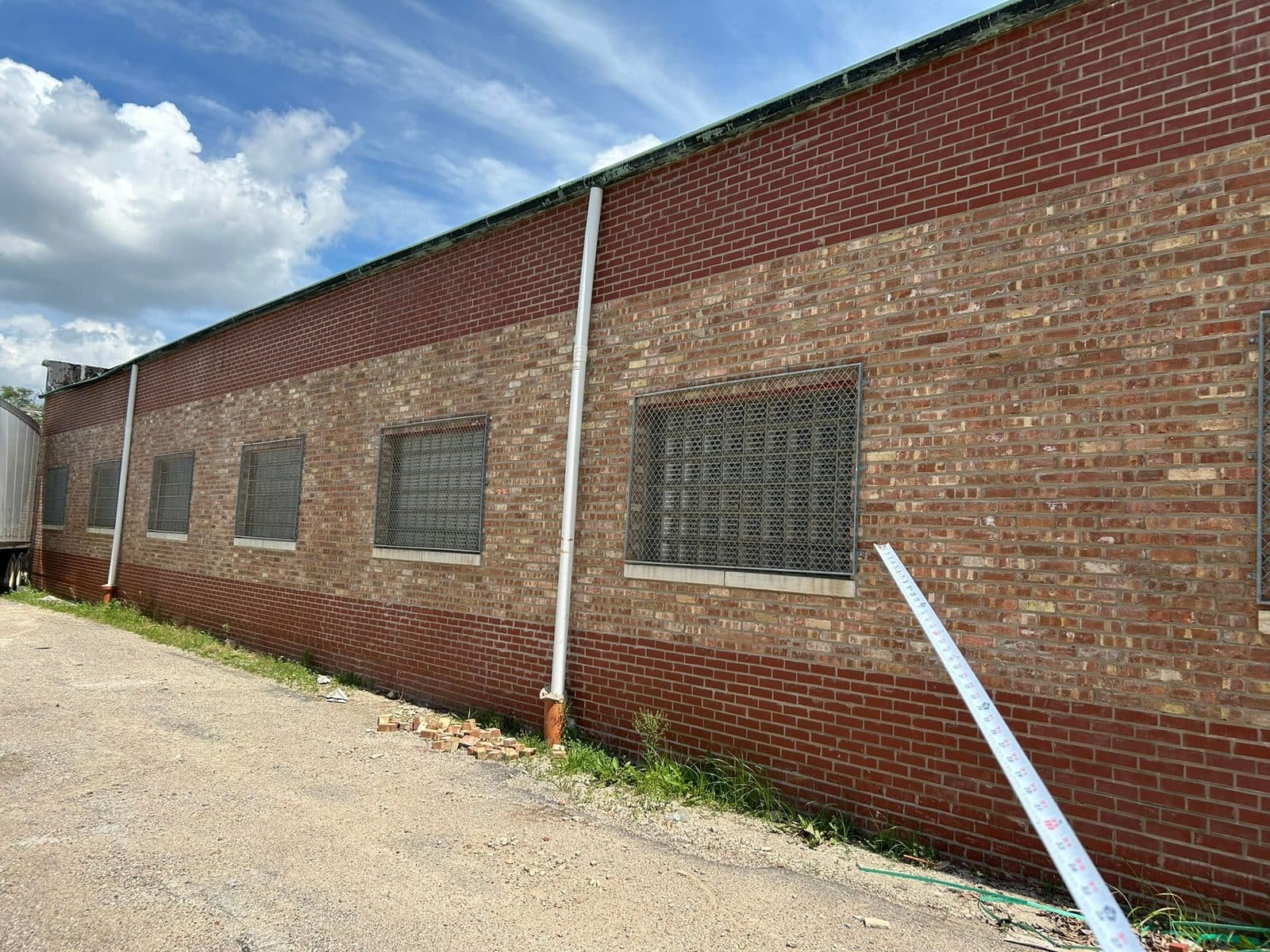
Homeowners ask us plenty of questions about mortar and brick. They ask almost none about what is going to happen to the hostas.
Then the crew arrives, scaffolding goes up over a flower bed, joint grinding coats the windows in fine grey dust, and there is a conversation nobody planned for.
None of that needs to be a surprise. Masonry is heavy, dusty work performed from staging that has to sit somewhere, and almost every site issue is easy to solve if it is discussed before mobilisation and difficult once the scaffolding is already up.
Paul Lally's Masonry Inc. is a family-owned, insured masonry contractor serving Chicago and the Chicagoland suburbs since 1988 — tuckpointing, brick repair and replacement, chimney repair and rebuilds, lintel replacement, masonry restoration, and waterproofing for residential and commercial properties. Built on Craftsmanship. Backed by Experience. Free on-site estimates — call (708) 448-8866.
What the work actually involves
Understanding the three physical realities makes everything else make sense.
Staging has to bear somewhere. Scaffolding transfers load through small footplates. On turf that means marking; on a soft asphalt drive in July it can mean indentation. Base plates go on boards or pads to spread the load, and where staging can sit is a decision made at the estimate.
Grinding joints makes dust. Repointing begins by cutting deteriorated mortar out to a depth that lets new mortar key in. That is done with grinders, and it produces a fine, pervasive mortar dust that travels further than people expect — onto windows, sills, siding, patio furniture, cars and open windows.
Material comes in and rubble goes out. Brick, sand, mortar, tools and staging arrive; old mortar, broken units and packaging leave. On a wide lot that is trivial. In a four-foot gangway it is a carry, one load at a time, and it shapes the schedule.
The site walk that prevents most problems
At the estimate, before anything is priced, these get agreed:
- Where the staging sits on each elevation
- What is in the way — beds, shrubs, AC condensers, meters, hose bibs, downspouts, fencing, low branches
- Where material stages and where rubble collects
- Vehicle parking during the work
- Working hours, particularly on a close-neighbour or shared-wall property
- Water and power if either is needed from the house
- Neighbour access, if any part of the work crosses the line
- Pets and children, and keeping the work zone secure
Ten minutes of conversation at the estimate saves the whole project from improvising.
Landscaping: what gets protected, moved, or lost
This is the part homeowners care about most, so here it is honestly.
Protected in place. Most established plantings against a wall can be covered and boarded — plywood over beds, breathable covers over shrubs, and staging positioned to bridge rather than crush. Perennials that have died back for the season are the easiest case of all.
Temporarily moved. Anything in pots, planters or portable containers should come away before the crew arrives — that one is genuinely the homeowner's job and it takes an afternoon. Small shrubs directly in a staging footprint can sometimes be lifted and heeled in elsewhere, though whether that is worth doing depends on the plant and the season.
Genuinely at risk. A mature shrub pressed hard against the wall, directly under the work, in the only position scaffolding can occupy, may not survive the project intact. We will say so at the estimate rather than after. Sometimes the right answer is accepting it; sometimes it is planning the staging differently at a modest cost.
Two things worth knowing. First, timing helps — dormant-season work is considerably kinder to plantings than midsummer. Second, beds hard against a foundation are frequently part of why the masonry needs work at all, because raised grade and retained moisture against a wall is a masonry problem in its own right. Occasionally the landscaping conversation and the repair conversation are the same conversation. See downspouts, grading and drainage.
Dust, and what to do about it
Mortar dust is the most common complaint on any repointing job, and it is manageable rather than avoidable.
What we do. Cover windows on the working elevation. Protect the ground below the work. Keep dust down at the source where conditions allow. Clean the wall down properly, not just brush it off.
What helps from your side.
- Close windows on the working elevation — all of them, including basement hoppers
- Move vehicles clear of the work zone for the duration; mortar dust on a car finish is unpleasant to remove
- Bring in outdoor furniture, cushions, grills and toys
- Take down anything hanging on the working elevation — planters, flags, lights
- Consider the AC, and where its intake sits relative to the work
- Move anything in the garage if the garage elevation is being worked on and the door will be opening
None of it is onerous. All of it is easier before day one than during.
What to expect day to day
Setup. Staging goes up, protection goes down. On a small scope this may be part of day one; on a whole-elevation job it is a distinct phase.
Grinding. The loud, dusty phase. This is the part neighbours notice, which is why agreed working hours matter.
Pointing. Quieter and slower. This is the craft part, and it is not rushed.
Curing. Mortar needs time and workable temperatures. This is also why rain stops work — wet weather during cure compromises the joint.
Clean-down. The wall, the protection, the ground.
Strike and reinstate. Staging comes down, protection comes up, plantings go back, grade is made good.
A tidy site at the end of each day, rather than only at the end of the project, is a reasonable standard to expect and one we hold to.
Weather, and why dates move
Worth setting expectations plainly, because it is the most common source of frustration on masonry projects and it is nobody's fault.
Mortar needs workable temperatures to cure properly. Too cold and it does not gain strength correctly; too hot and dry and it can lose water too fast. Rain during or shortly after pointing can wash a joint or compromise its cure.
So masonry in Chicagoland is a weather-dependent trade with a real season, and an honest contractor gives a window rather than a date. A schedule that never moves is a schedule somebody is not being straight about. See the best time of year for masonry repair.
Reinstatement: what "made good" should mean
The end of a masonry job is where good contractors separate themselves, and it is worth knowing what to expect rather than hoping.
The wall. Cleaned down properly — not brushed over. Mortar splash removed from brick faces, sills, and any adjacent siding or trim while it is still fresh, because cured mortar splash on a brick face is far harder to remove and sometimes cannot be taken off without damaging the unit.
The ground. Protection lifted, rubble and mortar droppings removed rather than raked into a bed, and turf or gravel restored where staging bore on it. Scaffold plates leave marks; those get made good.
Plantings. Anything temporarily moved goes back, and anything covered gets uncovered rather than left under a tarpaulin for a fortnight — plants suffocate under protection faster than people expect.
Windows and openings. Coverings removed, sills and frames wiped down, and any mortar dust cleaned off the glass on the working elevation.
Grade. If soil or mulch was pulled back from a foundation to work at grade, it goes back at the correct level — which may mean lower than it was, if raised grade was contributing to the problem in the first place. That is worth flagging at the estimate so it is not a surprise.
Ask at the estimate what reinstatement includes. A specific answer is a good sign; a vague one usually means somebody else's rake and wheelbarrow.
What to do if something does get damaged
Occasionally, despite planning, something goes wrong — a shrub does not recover, a paver cracks under a scaffold plate, a downspout gets knocked out of alignment.
The reasonable expectation is that you say so promptly and it gets put right. Which is why two habits help:
Photograph the areas that will be worked over, dated, before the crew arrives. Beds, driveway surface, fencing, the lawn where staging will sit. It takes ten minutes and it turns a disagreement into a comparison.
Raise anything the same week, not at the end. A marked lawn identified while the crew is still on site is easy to address. The same mark raised two months later is a conversation neither party can settle.
Paul Lally's Masonry is insured, and we stand behind our work — including the parts of a property that are not brick.
Tight lots and close neighbours
On a narrow Chicago or inner-suburb lot, everything above gets harder.
Staging in a gangway. Narrow-frame scaffolding and sectional towers exist for exactly this, but material has to be carried rather than staged beside the work, and the passage must stay usable.
Neighbour permission. If any part of the work, the staging or the material handling sits across the line, ask early and in writing. Most neighbours agree readily when asked three weeks out and told how long it will take.
Shared driveways and parking. Worth settling before the trucks arrive.
Our post on working the gangway covers the access side in detail.
Chimney and roof work
A separate set of considerations, because staging goes on the roof.
Roof protection goes down before material or staging — boards over the membrane or shingles in the working area. Dropping brick and mortar onto a roof surface is how a masonry job creates a roofing bill.
The drop zone below gets secured, because material coming off a chimney has somewhere to fall. On a narrow lot that is a gangway people walk through.
Fireplace and flue. Expect the fireplace to be out of use during the work, and the flue covered.
A one-page homeowner checklist
The week before:
- Move pots, planters and portable containers away from the working elevations
- Take down hanging items, planters and lights on those walls
- Bring in furniture, cushions, grills and toys
- Agree where vehicles will park, and keep the work zone clear
- Confirm working hours and let close neighbours know
- Confirm staging positions and anything you want protected specifically
- Note any plantings you particularly care about, by name, on site
- Settle water and power access if needed
- Secure pets and plan around children's routes
- Close windows on the working elevation each morning
What drives the cost — including the site side
Scope and elevation area. Height and access, which on a tight lot is a real factor. Staging type and how often it has to be moved. Site protection requirements. Whether material can be staged beside the work or must be carried. Whether work has to happen around occupancy or neighbour constraints. Weather windows.
We publish no figures, because a number that means anything requires seeing the property. Free on-site estimate, in writing — call (708) 448-8866.
The short version
Ask three questions at the estimate: where will the staging sit, what gets protected, and what does the schedule assume about weather?
A contractor who answers all three specifically has thought about your property as well as your wall — and on a job that lives in your yard for a week or more, that is worth as much as the pointing.
Paul Lally's Masonry Inc. is family-owned, insured, and has worked Chicagoland properties since 1988. Our name is on every job. Related services: tuckpointing and repointing, brick repair, chimney repair and rebuilds, masonry restoration, and residential masonry restoration.
Built on Craftsmanship. Backed by Experience. Get a free on-site estimate or call (708) 448-8866.
Frequently Asked Questions
Will masonry work damage my landscaping?
It does not have to, but staging and material handling need somewhere to sit. Beds directly against the wall are the ones at risk, and the answer is agreeing before mobilisation what gets protected, what gets temporarily moved and what genuinely cannot be saved.
How much dust does tuckpointing create?
Grinding out mortar joints produces a fine, pervasive dust. It settles on windows, sills, siding, cars and anything left out, which is why windows get covered, the area below gets protected and a proper clean-down is part of the work rather than an extra.
Should I move my plants before the crew arrives?
Anything portable in pots, yes. Established shrubs against the wall are worth discussing — some can be protected in place with boards and covers, some are better temporarily lifted, and a few in the wrong position genuinely cannot be saved.
Can scaffolding sit on my lawn or driveway?
Usually both, with protection. Scaffolding bears on small footprints and can mark turf or a soft drive, so base plates go on boards or pads. On a tight lot the staging position is planned at the estimate rather than improvised.
Do I need to be home during the work?
Generally not, once access and staging are agreed. What matters is that we can reach the elevation and any exterior water or power arrangements are settled in advance.
What about my windows and cars?
Windows on the working elevation get covered against dust and mortar splash. Vehicles should be parked clear of the work zone for the duration — mortar dust on a car finish is unpleasant to remove and entirely avoidable.
Will there be noise, and when?
Joint grinding is the loud phase and it is unavoidable on any repointing job. We agree working hours before mobilisation, which matters most on shared-wall and close-neighbour properties.
What happens if it rains?
Work pauses. Mortar needs workable temperatures and dry conditions to cure properly, so weather moves dates — which is why we give a realistic window at the estimate rather than an optimistic one.
Who cleans up?
We do. Clean-down of the wall, the protected areas and the surrounding ground is part of the job, and the site should be left tidy at the end of each working day rather than only at the end of the project.