
Residential Masonry Restoration · Oak Lawn, IL
Residential Masonry Restoration in Oak Lawn, IL — Why a Whole Block Needs It at Once
Oak Lawn masonry ages in cohorts. Whole streets went up inside a few years with the same brick, the same mortar and the same details — so when one house needs work, the neighbours usually do too. That is not a coincidence, and it changes how a restoration should be scoped.
Quick Answer
Paul Lally's Masonry Inc. provides residential masonry restoration in Oak Lawn, IL — tuckpointing, brick repair and replacement, chimney work, lintels and sills on whole homes, scoped around the village's tightly clustered post-war and late-1960s build eras. Family-owned since 1988, insured. Free on-site estimates — call (708) 448-8866.
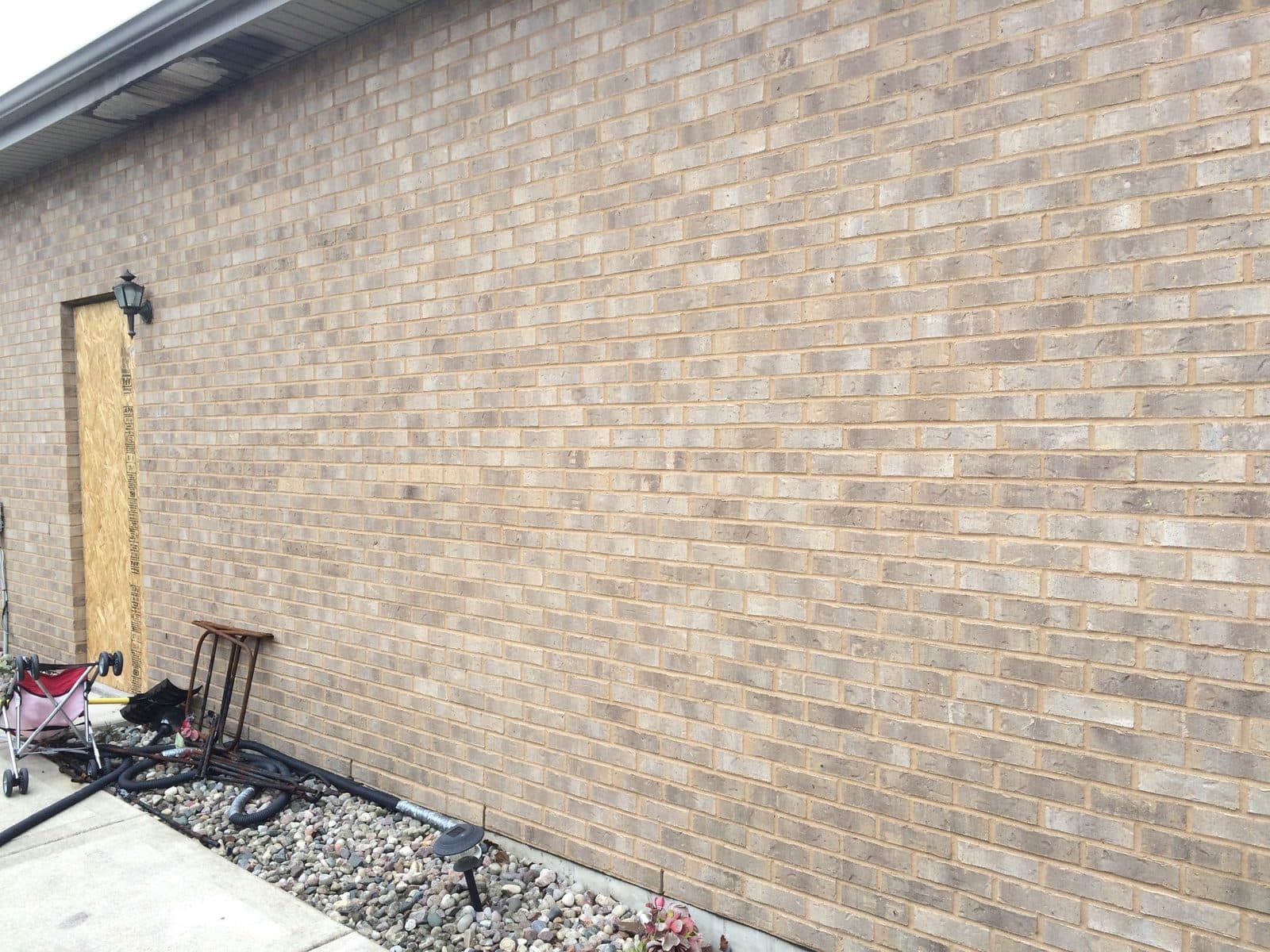
Residential Masonry Restoration in Oak Lawn, IL
Residential masonry restoration in Oak Lawn, IL is easier to scope than in most towns, for a reason that has nothing to do with your house and everything to do with your street. Paul Lally's Masonry Inc. restores whole homes throughout Oak Lawn and the southwest suburbs. Family-owned since 1988, insured, free on-site estimates. Call (708) 448-8866.
Here it is: Oak Lawn masonry ages in cohorts.
Whole Streets, Built the Same Year
Most towns built out gradually over many decades, so the houses on a block can span fifty years of materials and methods. Oak Lawn did not.
The village grew hard in the post-war years, filling in street after street of brick ranches, Cape Cods, Georgians and Chicago-style bungalows in a compressed period. Then, in April 1967, a tornado struck Oak Lawn, and a substantial amount of housing was rebuilt in the years immediately afterward — another tight cluster of construction, again in brick.
The result is a village where a great many blocks went up inside a few years, built by the same trades, using the same brick, the same mortar mix and the same details.
Materials that go in together wear out together.
That is why the pattern we see here is so consistent: not one house on a street needing work, but four or five, all showing the same conditions at the same stage. Homeowners often think they have a problem. Usually they have a birthday.
How to Read Your Own Block
This is genuinely useful, and it costs nothing.
- Look at your neighbours' walls, especially houses that look like yours. If several have receding joints at the same height, that is your house's forecast.
- Notice who has already had work done. A block with fresh repointing on three houses is a block that reached the stage a few years ago.
- Compare the same elevation. Your north wall against their north wall tells you more than your north wall against their south.
- Check the chimneys from the street with binoculars. On a cohort block they were built the same way and they fail on the same schedule.
If your neighbours are getting tuckpointing, that is not gossip. It is data about your own mortar.
What Actually Fails on This Vintage
Homes of Oak Lawn's dominant era are not century-old soft brick, and they do not fail the way a greystone does. They fail in specific, predictable places:
- The bottom two or three courses, from splash-back off drives and walks plus decades of winter salt
- Under window sills, where the whole opening's runoff lands on one joint
- The chimney, exposed on four sides with no roof over it and no heated interior behind it — usually the worst masonry on the house
- Above garage door and window openings, where painted steel lintels corrode and expand, lifting the brick and cracking it in a horizontal line
- The weather elevation, generally north and west
- Steps, stoops and porch masonry, which take salt, shovels and direct splash
- Sealant everywhere, which on a house of this age is simply past its life
On most Oak Lawn homes a good restoration scope is a short, specific list — not every elevation, every joint. Anyone quoting a whole-house repoint without walking every wall is selling volume.
Signs Your Home Needs Restoration
- Mortar you can rake out with a screwdriver, or grit collecting on sills and walks below
- Brick faces flaking, sheeting or crumbling, especially near grade
- A horizontal crack line with orange rust staining above a window or garage door
- Efflorescence — the white bloom that proves water is moving through the wall
- A chimney with a cracked crown, open joints, or spalled top courses
- Sealant hardened, split or pulled away around windows and doors
- Stepped diagonal cracking, which means movement rather than weather
- Damp interior walls, or ceiling staining near the chimney
Risks of Waiting
Masonry damage compounds. A spalled brick has lost the hard fired face that made it weather-resistant, so it absorbs water faster than the sound brick around it and each winter takes a little more — spreading outward through its neighbours. Rusting lintel steel does not pause. Water reaching the wall keeps working on it, through dozens of freeze-thaw cycles a Chicagoland winter.
The cost curve is steep: scattered repair becomes section rebuilding, and a rebuild on an upper elevation brings staging costs that dwarf the masonry itself.
Our Process
- Walk every elevation, plus the roof and chimney, and photograph what we find.
- Trace the water — gutters, downspouts, grade, sills, flashing — before scoping any masonry.
- Sound the walls. Tapping finds units that have lost bond behind faces that still look fine.
- Rank the findings: stop the water, then corroding steel, then the damage those caused, then protection, then cosmetic.
- Write the scope in that order, split into phases if you want it split.
- Protect the site — windows, landscaping, walks and the neighbour's property.
- Do the work: cut joints back to sound mortar and repoint in lifts with matched mortar tooled to the original profile; cut out and replace failed brick, blended through the field; rebuild chimney sections down to sound masonry with a proper crown; replace corroded lintel steel and flash above it; rebuild sealant joints.
- Clean down and walk the finished house with you.
Materials
Mortar has to be softer than the brick it sits against. Mortar is the sacrificial part — meant to fail first, because a joint can be replaced and a brick face cannot. Type N is typical for Oak Lawn's post-war and late-1960s brick; Type S has narrow, specific uses and makes a poor default.
Mortar colour is matched against cured mortar rather than the wet mix, because it lightens as it dries, and the tooled joint profile is matched to the surrounding field — profile is most of what makes a repair read as original.
Related work runs alongside: tuckpointing, brick repair and brick replacement, chimney repair, lintel replacement, limestone and sill repair, and caulking.
What Drives the Cost
- How much of the house genuinely needs work — the biggest variable, and why the walk-through matters
- Number of elevations in scope
- Height, access and staging
- Chimney work, which is roof access and prices separately
- Brick matching difficulty
- Steel replacement where lintels have corroded
- Whether water correction is part of the job
- Phasing, which changes mobilization
We do not quote restoration over the phone or from photos. The look is free, and the written scope is yours to keep whether you hire us or not.
Serving Oak Lawn and the Southwest Suburbs
Paul Lally's Masonry Inc. is a family-owned, insured masonry contractor serving Chicago and the Chicagoland suburbs since 1988 — tuckpointing, brick repair and replacement, chimney repair and rebuilds, lintel replacement, masonry restoration, and waterproofing for residential and commercial properties. Built on Craftsmanship. Backed by Experience. Free on-site estimates — call (708) 448-8866.
We work throughout Oak Lawn and neighbouring Evergreen Park, Chicago Ridge, Burbank and Worth.
Get a Free Oak Lawn Restoration Assessment
If your street is starting to get scaffolding on it, that is the moment to have your own walls looked at. Call (708) 448-8866 or request a free estimate.
Residential Masonry Restoration in Oak Lawn, IL — Frequently Asked Questions
How much does residential masonry restoration cost in Oak Lawn, IL?
A whole-house scope is priced by what is genuinely on your house — how many elevations need repointing, how much brick is replaced, chimney and lintel condition, height and staging. That is why we walk every elevation before saying anything. Paul Lally's Masonry Inc. gives free on-site estimates in Oak Lawn — call (708) 448-8866.
Why do so many houses on my street need masonry work at the same time?
Because they were built at the same time, by the same trades, with the same brick and mortar. Oak Lawn's housing stock is unusually clustered by era, so a block tends to reach the same stage of mortar deterioration together. If your neighbours are getting tuckpointing, that is useful information about your own house.
My house is from the late 1960s. Is that old enough to need restoration?
Often yes, though usually targeted rather than wholesale. Roughly sixty Chicagoland winters is more than enough to open joints at the sills and the bottom courses, corrode a lintel over a garage door, and take a chimney crown well past its life — even while much of the wall is still sound.
Can restoration be done in stages instead of all at once?
Yes, and for most homeowners that is sensible. What matters is doing it in the right order rather than cheapest-first: stop the water, deal with corroding steel, repair the damage those caused, then protect. We write the scope so it can be split across years without leaving something worse behind.
Will replacement brick match my 1960s brick?
Usually closely. Brick from that era was machine made in identifiable colour ranges, and while many exact runs are discontinued, good matches exist. What makes a repair disappear is blending replacements through the surrounding wall and matching mortar colour and joint profile — not finding one perfect brick.
Do I need to be home during the work?
Not usually. Masonry restoration is exterior work staged elevation by elevation, and interior access is rarely needed. We will tell you which days affect driveway or walkway access so you can plan around them.
Do you work throughout Oak Lawn?
Yes, across the whole village and the surrounding southwest suburbs. Paul Lally's Masonry Inc. has been doing residential masonry here since 1988, and our family name is on every job. Free on-site estimates — call (708) 448-8866.
Residential Masonry Restoration in Nearby Areas
Other Masonry Services in Oak Lawn, IL
Learn more about our residential masonry restoration services across Chicagoland, or view all service areas.
Free on-site estimates across Chicagoland.