
Parapet Wall Repair · La Grange, IL
Parapet Wall Repair in La Grange, IL — The Wall Weathering From Both Sides
A parapet is the only wall on your building weathered from both faces and the top at once — which is why it fails first and why it sits directly above the sidewalk. Paul Lally's Masonry Inc. repairs and rebuilds La Grange parapets.
Quick Answer
Paul Lally's Masonry Inc. provides parapet wall repair in La Grange, IL — repointing and rebuilding deteriorated roof-edge masonry, resetting coping, and restoring through-wall flashing on storefronts, flat-roofed commercial buildings, and homes. Family-owned and serving Chicagoland since 1988, insured. Free on-site estimates — call (708) 448-8866.
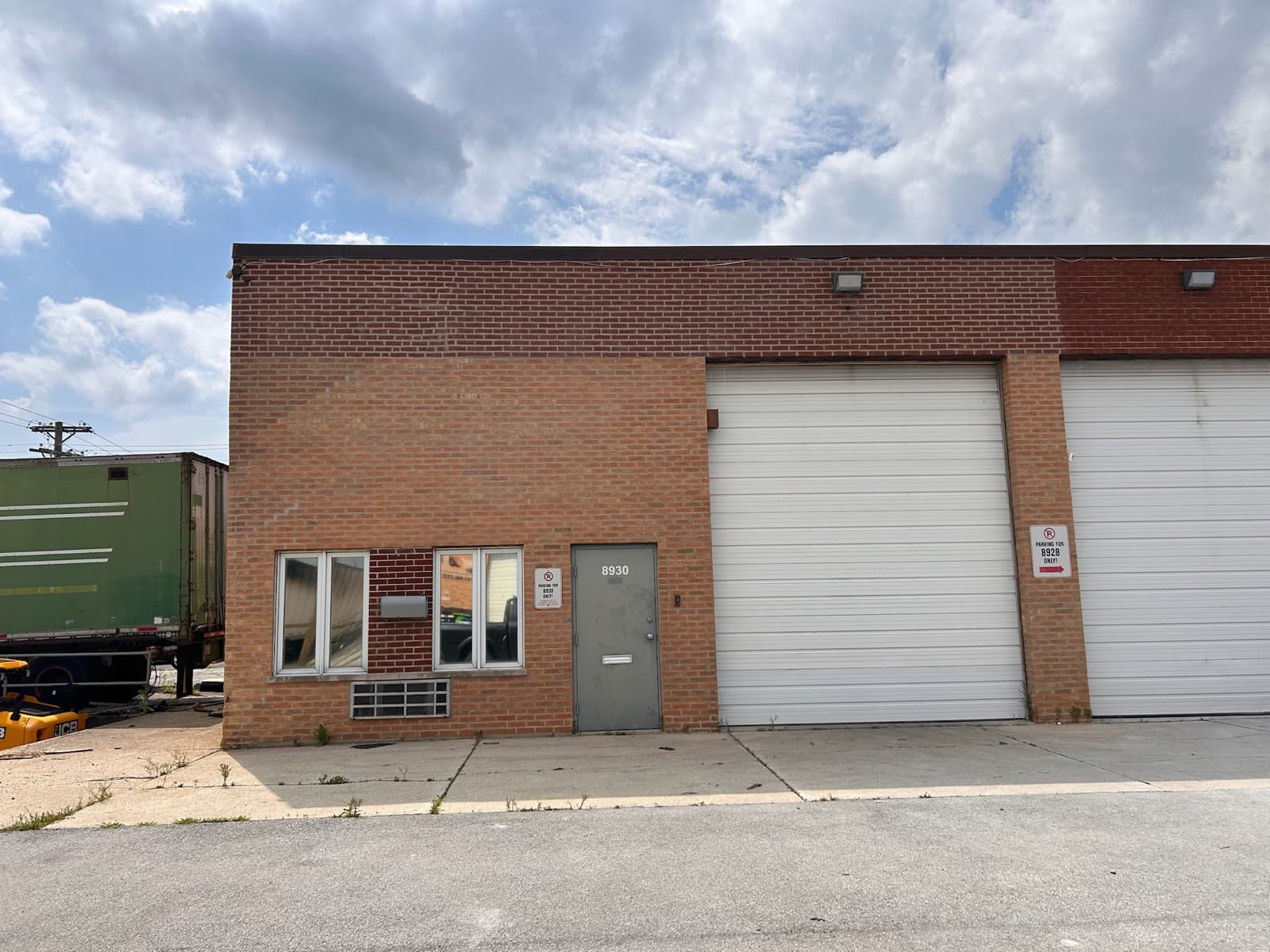
Every other wall on a building has a warm side. A parapet does not. It stands up past the roof with weather on the front, weather on the back, and weather on top — no heat behind it, nothing sheltering it, and a joint line at the coping where water gets a direct path into the middle of the wall.
That is why, on almost every older building in La Grange, the parapet is the worst masonry on the property. And it is why it matters more than most masonry: on a downtown storefront, that wall is standing directly above the sidewalk.
Paul Lally's Masonry Inc. provides parapet wall repair in La Grange, IL — repointing and rebuilding deteriorated roof-edge masonry, resetting coping, and restoring through-wall flashing on storefronts, flat-roofed commercial buildings, and homes. Family-owned, serving Chicagoland since 1988, insured. Free on-site estimate: (708) 448-8866.
What a parapet actually is, top to bottom
Understanding the anatomy makes the failures obvious:
- Coping — the cap on top: limestone, cast stone, clay, or metal. Its job is to shed water off both sides of the wall and keep it out of the top.
- Coping joints — the joints between coping units. The single most common entry point for water into a parapet.
- Through-wall flashing — a water barrier built into the masonry, typically under the coping and at the parapet base, that catches water inside the wall and drains it back out.
- The wall itself — brick, sometimes multiple wythes, sometimes with a different (cheaper, softer) back-face brick than the street face.
- The roof-edge tie-in — where roofing, counterflashing, and masonry meet, and where leaks get misattributed between two trades.
- The back face — the side nobody looks at, usually in the worst condition on the whole building.
How parapets fail
Coping joints open up
Sealant or mortar at the coping joints goes brittle and lets go. Rain then goes into the top of the wall rather than off it. Everything below gets wet from above, which is the one direction masonry has no defense against.
Water gets in and cannot get out
Without sound through-wall flashing, water entering at the top runs down inside the wall. It carries salts through the brick, freezes and expands in the joints, and shows up as leaks at the roof edge inside — usually blamed on the roof.
The wall goes out of plumb
Freeze-thaw cycling plus saturated masonry loosens the bond course by course. Parapets lean, bow, and sometimes rotate outward over the street. Sight along the top of a parapet from one end and a lean is often obvious that you never noticed from the sidewalk.
Coping shifts
Once the bedding mortar under a coping stone deteriorates, the stone can rock, slide, or overhang. A displaced coping unit above a public walk is a serious problem, not a maintenance item.
The back face gives out first
Because nobody sees it and nobody maintains it, the roof-side face is frequently far worse than the street face. We have opened up plenty of parapets that looked presentable from the sidewalk and were structurally spent from the roof.
Repair or rebuild? What decides it
| Condition | The right answer | |---|---| | Joints failed, masonry still holding its bond and plumb | Repoint, plus coping and flashing work | | Coping loose or joints open, wall otherwise sound | Reset coping, restore flashing and joints | | Top courses have lost their bond, brick spent, mortar sandy through | Rebuild the affected courses | | Wall leaning, bowing, or rotating | Take down and rebuild, with proper flashing and anchorage | | Deterioration extending below the roof line | Rebuild down to sound masonry — it is deeper than it looks |
Repointing a parapet that needs rebuilding is the most common waste of money we see on these walls. Fresh joints on courses that have lost their bond look good for a season and change nothing.
Why La Grange sees so much parapet work
La Grange's downtown commercial core — the blocks around La Grange Road, Burlington Avenue, and the BNSF Metra stations — is exactly the building stock that produces parapet failures: late-1800s and early-1900s brick commercial buildings, flat roofs, shared party walls, and decorative street-face parapets that were built to be looked at rather than to be maintained. Many are a century past their original coping bedding, and most have had roofs replaced several times, each replacement touching the parapet-to-roof detail.
The residential side matters too. La Grange's historic district and surrounding neighborhoods carry older brick homes, coach houses, garages, and low-slope additions with parapets and roof-edge masonry of their own — plus limestone and cast-stone trim that needs the same soft-mortar handling as the rest of the historic fabric.
And all of it sits in the same climate: Cook County freeze-thaw, dozens of cycles a winter, working on the wettest masonry on every building.
How we repair a parapet
- Inspect from the roof, not the street. The back face and the roof tie-in tell the real story, and the sidewalk view hides it.
- Sound and plumb the wall. Drummy brick, courses that have lost their bond, and lean determine repair versus rebuild.
- Protect below. Overhead protection over sidewalks and entrances before anything is disturbed.
- Take down what is spent. Where rebuilding, masonry comes down to sound material — usually further than the visible damage.
- Rebuild with matched brick and correct mortar. Matched units, mortar matched for color and hardness, laid plumb with proper bond.
- Install through-wall flashing. Under the coping and at the base as the assembly requires, so water that gets in gets back out.
- Reset the coping. Bedded correctly, with joints properly sealed so the top of the wall sheds.
- Coordinate the roof edge. Counterflashing and roof tie-in addressed so the two trades meet cleanly instead of pointing at each other later.
What drives the cost of parapet repair in La Grange
- Length and height of the parapet
- Repair versus rebuild, and how far down the rebuild has to reach
- Coping — reset existing units, replace damaged ones, or a new cap assembly
- Through-wall flashing installation and how much masonry must be opened for it
- Access — roof access, lift or pipe staging, tight downtown setbacks
- Overhead protection where the wall is above a public walk or entrance
- Match difficulty for brick, stone coping, and mortar
- Season — mortar needs above-freezing temperatures to cure
The estimate is free and we walk it with you. Call (708) 448-8866.
Paul Lally's Masonry Inc. is a family-owned, insured masonry contractor serving Chicago and the Chicagoland suburbs since 1988 — tuckpointing, brick repair and replacement, chimney repair and rebuilds, lintel replacement, masonry restoration, and waterproofing for residential and commercial properties. Built on Craftsmanship. Backed by Experience. Free on-site estimates — call (708) 448-8866.
Serving La Grange and nearby
We repair and rebuild parapets throughout La Grange's 60525 — the downtown commercial blocks, the historic district, and the surrounding neighborhoods — and across the neighboring suburbs. Buildings needing parapet work often need tuckpointing in La Grange, brick repair in La Grange, or limestone and sill repair in La Grange at the same time. We do the same work in Western Springs, Hinsdale, Clarendon Hills, and Downers Grove.
Why La Grange owners call Paul Lally's Masonry Inc.
We inspect the parapet from the roof before we price it, we tell you honestly whether it needs repointing or rebuilding, and we do not leave a wall standing over a sidewalk that should not be. We are insured, we protect the public way while we work, and the family name is on every job. Built on Craftsmanship. Backed by Experience.
If your parapet is leaning, shedding, or leaking at the roof edge, request a free on-site estimate or call (708) 448-8866.
Parapet Wall Repair in La Grange, IL — Frequently Asked Questions
How much does parapet wall repair cost in La Grange, IL?
It is priced by scope. The drivers are the length and height of the parapet, whether it can be repointed or has to be rebuilt, coping and flashing condition, roof access and staging, and the overhead protection needed if the wall sits above a sidewalk. Paul Lally's Masonry Inc. gives free on-site estimates in La Grange — call (708) 448-8866.
What is a parapet wall?
It is the section of masonry wall that continues up past the roof line on a flat-roofed building, forming the edge you see from the street. It is topped with coping — stone, cast stone, or metal — and unlike the rest of your wall, it is exposed to weather on both faces and on top.
Why do parapet walls fail before the rest of the building?
Because they are weathered from three directions at once and get no warmth from the building behind them, so they stay wetter and cycle through more freezing and thawing than any other masonry on the property. Add failed coping joints letting water straight into the top of the wall, and the parapet is almost always the most deteriorated element on an older building.
How do I know if my parapet needs repair?
Look for open or missing coping joints, coping stones that have shifted or rock underfoot, a wall that leans or bows when sighted along its length, cracked and crumbling joints, brick faces spalling, staining or leaks at the roof edge inside, and any brick or mortar debris on the sidewalk below.
Should my parapet be repointed or rebuilt?
That depends on how deep the deterioration runs. If the joints have failed but the masonry is still holding its bond and plumb, repointing with coping and flashing work is right. If the top courses have lost their bond, the wall leans, or the brick itself is spent, it should be taken down and rebuilt.
Is a deteriorating parapet dangerous?
It can be, and more so than most masonry, because a parapet on a storefront sits directly above a public sidewalk and an entrance. Loose brick or a shifted coping stone should be treated as urgent, the area below kept clear, and the wall assessed promptly.
What is through-wall flashing and why does it matter on a parapet?
It is a water barrier built into the masonry, typically under the coping and at the base of the parapet, that catches water inside the wall and directs it back out. Without it — or with it failed — water that gets past the coping runs straight down inside the wall and into the roof and the building.
Do houses have parapet walls too?
Some do. Flat-roofed and low-slope homes, older two-flats, garages, and some architectural styles carry parapets, and they fail the same way commercial ones do. La Grange's mix of housing means we see both residential and commercial parapets in the same neighborhood.
Parapet Wall Repair in Nearby Areas
Other Masonry Services in La Grange, IL
Learn more about our parapet wall repair services across Chicagoland, or view all service areas.
Free on-site estimates across Chicagoland.