
Lintel Repair & Replacement · La Grange, IL
Lintel Replacement in La Grange, IL — The Parts of the Job Nobody Explains
Most lintel pages tell you what a lintel is and why it rusts. Few explain how the wall stays up while the steel is out, what goes back in, or when an engineer belongs on the job.
Quick Answer
Lintel replacement in La Grange, IL means shoring the masonry above a window, door or garage opening, removing the corroded steel, and setting new galvanized or primed steel angle with proper bearing, flashing and weeps. Paul Lally's Masonry, family-owned and insured since 1988, gives free on-site estimates — (708) 448-8866.
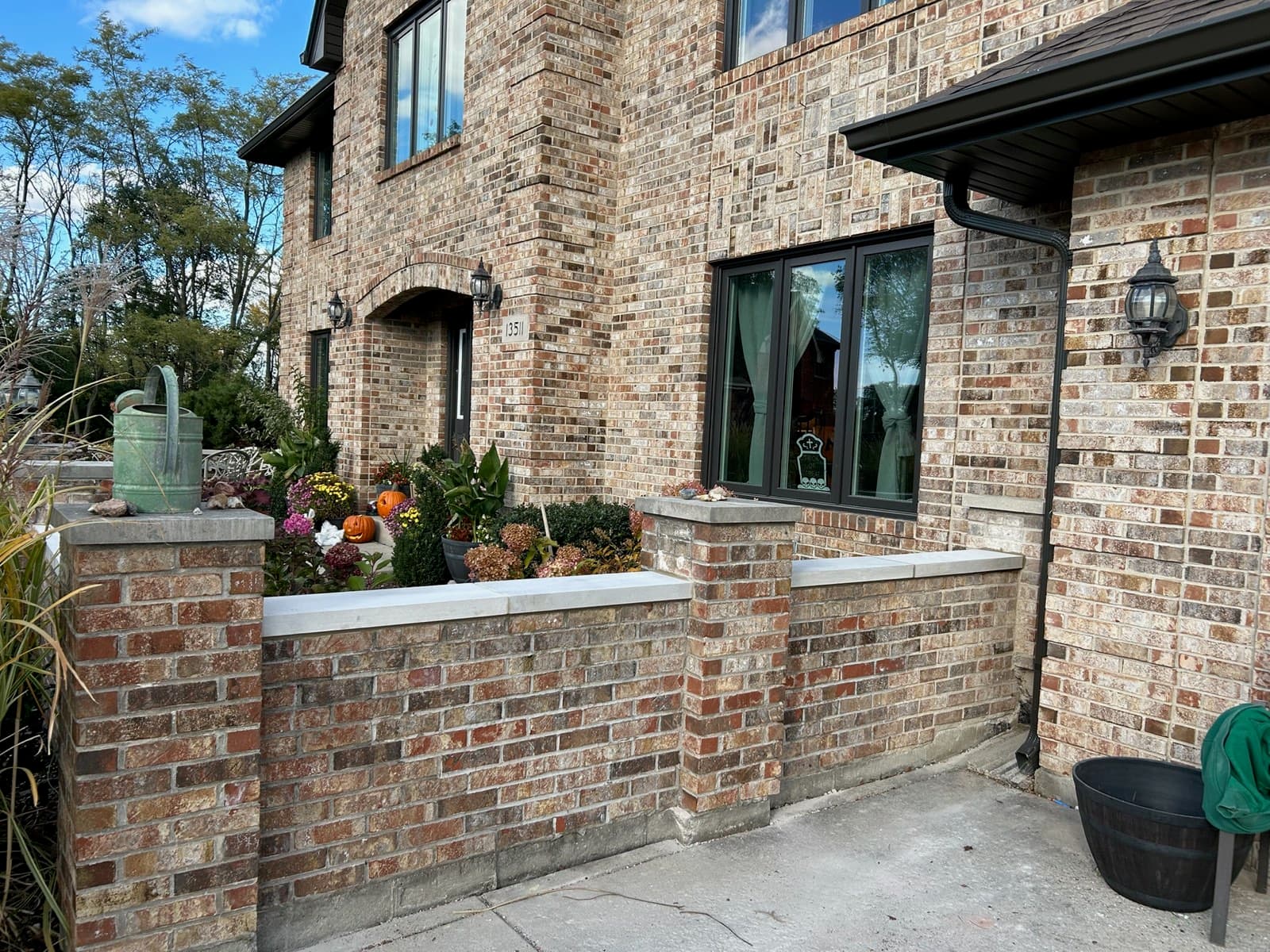
Lintel replacement in La Grange, IL comes down to five things: support the wall, remove the rusted steel, set new protected steel with real bearing at both ends, rebuild the water path above it, and relay the brick so it matches. Paul Lally's Masonry does exactly that on La Grange homes, from early-1900s brick to post-war garages — call (708) 448-8866 for a free on-site estimate.
Most lintel pages stop after explaining what a lintel is and why it rusts. That part matters, so it is here. But the questions homeowners actually ask us at the estimate are the ones those pages skip: how is the wall held up, what goes back in, when does an engineer get involved, and how long will this take?
Paul Lally's Masonry Inc. is a family-owned, insured masonry contractor serving Chicago and the Chicagoland suburbs since 1988 — tuckpointing, brick repair and replacement, chimney repair and rebuilds, lintel replacement, masonry restoration, and waterproofing for residential and commercial properties. Built on Craftsmanship. Backed by Experience. Free on-site estimates — call (708) 448-8866.
What a lintel does, and why yours is cracking
A lintel is the beam that carries the masonry over an opening — a window, a door, a garage. On most brick homes built after the 1920s it is a steel angle: an L-shaped piece of steel whose horizontal leg the brick sits on.
Steel inside a wall gets wet. Water runs off the window head, through tired joints, out of an overflowing gutter. Wet steel rusts, and rust takes up several times the volume of the steel it came from. It cannot push down into the window frame, so it pushes the brick up. That is rust jacking.
Signs to look for
- A horizontal crack in the mortar joint just above the opening
- Rust staining running down the brick below it
- Brick at the head lifted or bowed out of line with the wall
- Diagonal or stair-step cracks running up from the corners
- Steel visibly flaking in layers at the window or garage head
- A garage door or window that has started to bind
Flashing, weeps and a drip edge are part of why the steel stayed dry for decades — and usually part of why it stopped. Failed or missing flashing is the most common root cause we find. Our post on failing lintels and cracked brick above windows goes deeper on diagnosis.
Why painting or capping it doesn't work
A coat of paint or a sheet-metal cap over a rusted lintel is the most common "fix" we're called in after. Once the steel has lost thickness and moved the brick, coating it changes nothing structurally, and a cap can hold water against the steel. Light surface rust on sound steel can sometimes be cleaned and protected. We'll tell you plainly which you have.
Shoring: how the wall stays up
This is the step most pages never mention. When the old steel comes out, something has to carry the brick above it.
Before we remove anything, we set shoring — adjustable steel posts with a header beneath the masonry for a typical window, or needles passed through the wall and supported on both faces for wider openings. The brick directly over the opening is taken down in a controlled way, units salvaged for reuse. The supports stay in place until the new lintel is bedded, the brick is relaid, and the mortar has set enough to carry its own weight.
If a quote doesn't say how the wall will be supported, ask. It's a fair question and a specific answer is a good sign.
What goes back in
- Steel angle sized for the span. Wider openings need a heavier section; a two-car garage is a different member than a bedroom window.
- Corrosion protection. Galvanized steel, or steel that is primed and painted before it is set. Bare steel back into a wet wall starts the same clock over.
- Bearing length. Each end of the lintel must sit on solid masonry beyond the opening — commonly at least four inches each side on a typical window, more on longer spans. Short bearing concentrates load at the corners and cracks them.
- Flashing with end dams, lapped over the steel, turned up at the ends so water exits instead of running back into the wall.
- Open weeps in the course above, and a drip edge so water clears the face of the lintel.
- Matched mortar and brick — Type N or Type S as the wall calls for, colour and joint profile matched, salvaged brick reused first.
When a structural engineer belongs on the job
Most window lintels are routine. Some are not. We recommend an engineer size the replacement when we see:
- Long spans — two-car garage doors, wide bay or picture windows, enclosed-porch openings
- Visible sag across the opening, not just a lifted course
- A lintel that appears to carry floor or roof framing, not just brick
- Significant movement — brick well out of plane, or cracking that continues well up the wall
- Openings that have been widened in a past remodel
That's not a way to make the job bigger. It's how the right member gets specified the first time.
How long it takes
- One window or door: usually one day once we're set up — shore, remove, set, flash, relay, point.
- Garage door span: typically two to three days, more if an engineer specifies a heavier member.
- Several openings on one elevation: a few days, done in one mobilisation.
Mortar needs workable temperatures to cure, so late-season work is scheduled around the weather. Our post on masonry work in a Chicago winter covers what can and can't happen once it gets cold.
La Grange homes, specifically
La Grange has three distinct lintel situations, often on the same street.
The historic district's Victorian and early-1900s homes. Many openings here are spanned by brick arches or stone lintels, not steel. A stone lintel can crack through, and an arch can drop when its joints wash out. Those are rebuilt with matched stone or brick and the arch reset over temporary centering — and on these walls the mortar has to stay softer than the brick. Our guide to lime mortar on historic masonry explains why.
1920s brick Tudors and Georgians. Steel angle over most windows, often paired with limestone sills and trim. A century of exposure means many are at or past the point of replacement.
Post-war brick homes with steel angle over picture windows and garage doors — the widest spans in town and the ones most likely to need an engineer's sizing.
Homes near the BNSF and Metra corridor through downtown often sit on tighter lots, so staging and access get planned at the estimate, not improvised on the day.
What drives the cost
Span and number of openings. Height and access. Shoring requirements. How much brick comes down and whether it can be matched. Stone lintel or arch work versus steel. Whether an engineer is involved. Flashing scope. Weather windows. We publish no rates — every opening is different. You get a free on-site estimate, in writing, with each opening itemised.
Serving La Grange and nearby
We work throughout La Grange and the surrounding towns — Western Springs, Hinsdale, Countryside and Brookfield. See our lintel replacement in Hinsdale page, and in La Grange our brick replacement and limestone sill repair pages. Related services: lintel repair and replacement, brick replacement, tuckpointing, and limestone sill repair.
Get the opening looked at properly
Family-owned since 1988, insured, and our name is on every job.
Get a free on-site estimate — or call (708) 448-8866. Built on Craftsmanship. Backed by Experience.
Lintel Repair & Replacement in La Grange, IL — Frequently Asked Questions
How much does lintel replacement cost in La Grange, IL?
It depends on the span, the number of openings, height and access, how much brick must be taken down and relaid, whether the brick can be matched, and whether an engineer is needed on a long span. Paul Lally's Masonry gives a free on-site estimate with each opening itemised.
How is the wall held up while the old lintel is out?
With shoring — temporary steel posts and supports, or needles through the wall on larger openings, set before any brick or steel comes out. The supports carry the masonry above until the new lintel is bedded and the brick is relaid and has set.
What kind of steel goes back in?
A steel angle sized for the span and protected against corrosion — galvanized, or primed and painted — with its ends bearing solidly on the masonry at each side. Flashing with end dams and open weeps go in above it so water leaves the wall.
When does a lintel replacement need a structural engineer?
Long spans such as two-car garage doors and wide bay or picture windows, visible sagging, a lintel carrying a floor or roof load, or brick that has moved well out of plane. In those cases we recommend an engineer size the new member before work starts.
Can I just paint or cap the rusted lintel?
Not once it has lifted the brick. Paint or a metal cap over steel that has lost section hides the problem while the rust keeps expanding, and it can trap more water against the steel. Light surface rust on sound steel is a different conversation, and we will tell you which one you have.
How long does lintel replacement take?
A single window opening is usually a one-day job once we are set up. A garage door span or several openings on one elevation takes a few days, and mortar needs workable temperatures to cure.
Lintel Repair & Replacement in Nearby Areas
Other Masonry Services in La Grange, IL
Learn more about our lintel repair & replacement services across Chicagoland, or view all service areas.
Free on-site estimates across Chicagoland.