
Foundation Masonry Repair · Homer Glen, IL
Foundation Masonry Repair in Homer Glen, IL — Wearing Out vs. Moving
There is a real difference between a foundation wall that is wearing out and one that is moving. One is masonry work. The other needs an engineer before anyone touches a joint.
Quick Answer
Paul Lally's Masonry Inc. provides foundation masonry repair in Homer Glen, IL — repointing and rebuilding deteriorated brick and block foundation walls, repairing spalled and salt-damaged masonry at grade, and correcting the drainage causing it. Family-owned since 1988, insured. Free on-site estimates — call (708) 448-8866.
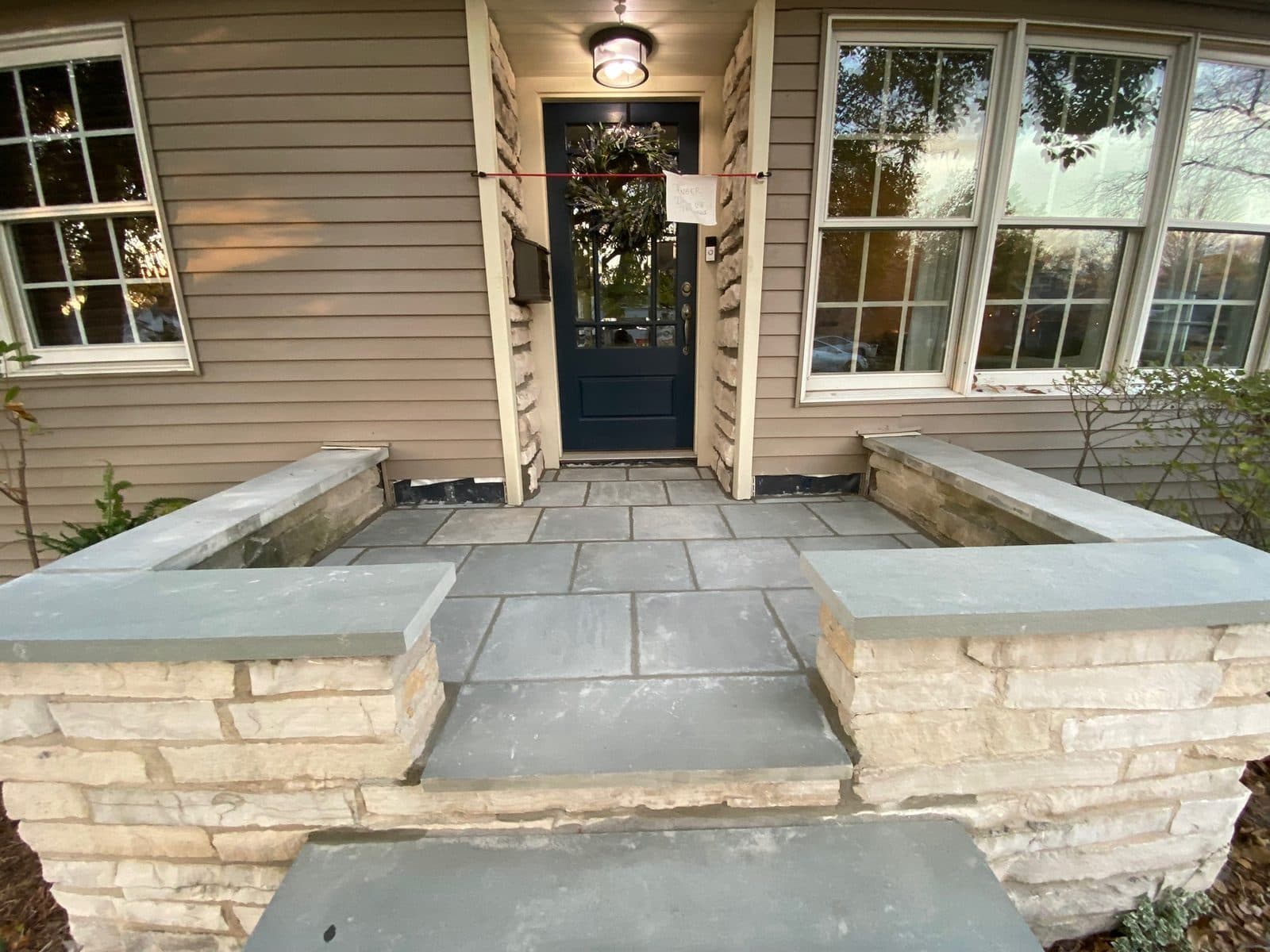
Foundation masonry repair in Homer Glen, IL
Search "foundation repair" in Homer Glen and you get piering companies and basement waterproofers. Both are legitimate trades, but neither is what most homeowners standing in front of a crumbling foundation wall actually need. What they usually have is masonry that is wearing out, not a foundation that is failing. Paul Lally's Masonry Inc. provides foundation masonry repair in Homer Glen, IL — repointing and rebuilding deteriorated brick and block foundation walls, repairing spalled and salt-damaged masonry at grade, and correcting the water conditions driving it. Family-owned, serving Chicagoland since 1988, insured. Free on-site estimate: (708) 448-8866.
Those are different problems with different fixes, and the difference is worth more to you than any sales pitch.
Wearing out vs. moving: how to tell
| Signs the masonry is wearing out (masonry repair) | Signs the wall is moving (structural — engineer first) | |---|---| | Mortar joints crumbling, sandy, receding | Horizontal crack with the wall bowing inward | | Brick or block faces spalling, flaking at grade | Cracks widening season over season | | Eroded, washed-out joints below the siding line | Cracks offset — one side pushed past the other | | Efflorescence and staining on the wall | Floors sloping, doors and windows racking out of square | | Localized deterioration where a downspout discharges | Movement continuing after drainage is corrected |
If what you have is in the left column, it is masonry work and we handle it. If it is in the right column, we will tell you to get a structural engineer to assess it before anyone repoints anything — because pointing a wall that is still moving buys you nothing but a fresh crack. We would rather lose the job than sell you the wrong one.
Why Homer Glen foundations deteriorate
Homer Glen incorporated in 2001 out of what had been unincorporated Will County, and its character reflects that: large parcels, long private drives, mature trees, and a great many properties on well and septic rather than municipal utilities. The housing runs from 1970s–90s customs on acreage through the newer subdivision build-out.
That setting produces specific problems at grade:
- Splash-back. Rain hitting the ground within a foot of the wall drives water repeatedly into the lowest courses.
- Buried masonry. Soil, mulch, and landscaping banked against the foundation hold moisture against brick that was never meant to stay wet.
- De-icing salt. Long drives and walks get salted heavily; salt soaks in, crystallizes in the pores, and pushes the brick face apart from the inside.
- Freeze-thaw. Will County cycles through freezing and thawing repeatedly every winter, and the wettest masonry on the building takes the worst of it.
- Expansive clay soils. Northeastern Illinois clay swells wet and shrinks dry, which is why drainage matters as much as mortar here.
- Downspouts discharging at the wall. The single most common cause of one badly deteriorated area on an otherwise fine foundation.
- Mature trees. Large trees drawing water out of clay soil near a foundation make that soil shrink, and repeated seasonal shrink-swell is what moves walls.
How we repair foundation masonry
- Assess and classify. Deterioration or movement — settled once or moving now. This determines whether the job is ours or an engineer's first.
- Find the water. Grade slope, downspout discharge, window wells, sprinkler spray, hard surfaces pitched toward the house. Repairing masonry without correcting this is temporary.
- Cut out failed material. Deteriorated mortar ground out to sound depth; spalled brick or damaged block removed.
- Repoint and rebuild in matched mortar — matched for colour and profile, and matched for hardness to the units. Soft, lime-rich for older brick; a stronger mix only where the masonry can take it.
- Parge where appropriate — exposed block and rough walls get a protective parge coat over sound repaired masonry, never over failing brick.
- Correct the drainage. Regrading away from the wall, extending downspouts, and pulling soil and mulch back off the masonry are usually the cheapest, highest-value part of the whole job.
What drives the cost of foundation masonry repair in Homer Glen
Linear footage and height of deteriorated wall · material — brick or block, and how hard the units are to match · depth of deterioration, from surface joints to rebuilding courses · excavation or access needed to reach masonry below grade · parging over repaired areas · drainage corrections included in the scope · whether an engineer's assessment is required before masonry work begins · season and curing conditions. Every one of those gets walked with you, and the estimate is free.
Paul Lally's Masonry Inc. is a family-owned, insured masonry contractor serving Chicago and the Chicagoland suburbs since 1988 — tuckpointing, brick repair and replacement, chimney repair and rebuilds, lintel replacement, masonry restoration, and waterproofing for residential and commercial properties. Built on Craftsmanship. Backed by Experience. Free on-site estimates — call (708) 448-8866.
Serving Homer Glen and Will County
We repair foundation masonry throughout Homer Glen's 60491 — the acreage properties off Bell Road and 143rd, the wooded parcels toward the Des Plaines valley, and the newer subdivisions in between — plus the surrounding Will and Cook County suburbs. Related work often includes tuckpointing in Homer Glen, brick repair in Homer Glen, masonry waterproofing in Homer Glen, and residential masonry restoration in Homer Glen. We do the same work in Lemont, Lockport, Orland Park, Mokena, and New Lenox.
Why Homer Glen homeowners call Paul Lally's Masonry Inc.
We give you the diagnosis before the estimate, including the times the honest answer is "this is structural, call an engineer" or "extend that downspout and watch it for a season." We match mortar to the masonry instead of defaulting to the hardest mix in the truck, and we correct the water rather than covering the damage. Family-owned since 1988, insured, and the family name is on every job. Built on Craftsmanship. Backed by Experience.
If the masonry at the base of your Homer Glen home is crumbling, spalling, or washing out, request a free on-site estimate or call (708) 448-8866.
Foundation Masonry Repair in Homer Glen, IL — Frequently Asked Questions
How much does foundation masonry repair cost in Homer Glen, IL?
It depends how much of the wall is deteriorated, whether it is brick or block, how deep the damage runs, whether any excavation or access work is needed, and whether drainage has to be corrected as part of the job. Paul Lally's Masonry Inc. gives free on-site estimates in Homer Glen — call (708) 448-8866.
Is my foundation failing, or is the masonry just deteriorating?
They are two different problems. Crumbling mortar, spalling faces and eroded joints at grade are masonry wearing out and are repairable masonry work. Walls bowing inward, cracks that are widening or offset, floors out of level and doors racking out of square suggest the wall is moving, which is structural.
When do I need a structural engineer instead of a mason?
When the wall has moved. Horizontal cracking with inward bow, a crack wider at one end and offset side to side, or ongoing seasonal movement all call for a structural engineer's assessment first. We would rather tell you that than repoint over a wall that is going to keep moving.
Why is the brick at the bottom of my house crumbling?
That course lives in the hardest conditions on the building — splash-back from the ground, wet soil and mulch, buried in snow all winter, and de-icing salt near walks and drives. Salt crystallization plus freeze-thaw takes the face off brick at grade faster than anywhere else.
What is parging and does my foundation need it?
Parging is a cementitious coat applied over exposed foundation masonry to give it a uniform, protective surface. It is worth doing on block and rough walls, but it has to go over sound repaired masonry — parging over failing brick just hides the deterioration for a couple of years.
Does de-icing salt really damage foundation masonry?
Yes, and Homer Glen's long drives see plenty of it. Salt-laden meltwater is absorbed by the masonry, then the salts crystallize inside the pores and push the brick face apart from within — which is why the worst deterioration is often right where the walk or drive meets the house.
Will fixing the masonry stop my basement from leaking?
Sometimes. If water is coming through deteriorated joints, repointing and rebuilding solves it. If it is coming from grade sloping toward the house, downspouts discharging at the wall, or hydrostatic pressure below, the masonry repair has to be paired with drainage correction to actually work.
Do you offer free estimates in Homer Glen?
Yes. Paul Lally's Masonry Inc. provides free on-site estimates throughout Homer Glen and the surrounding Will County suburbs. We assess the wall, tell you plainly whether it is masonry or structural, and leave a written estimate — call (708) 448-8866.
Foundation Masonry Repair in Nearby Areas
Other Masonry Services in Homer Glen, IL
Learn more about our foundation masonry repair services across Chicagoland, or view all service areas.
Free on-site estimates across Chicagoland.